Modern industrial equipment operates in demanding environments where contamination and moisture pose significant threats to bearing performance. The 6224 bearing serves as a critical component in gearboxes, motors, and transmission systems, yet its longevity depends heavily on effective sealing solutions. Without proper protection, bearing degradation accelerates, leading to unexpected downtime and costly maintenance interventions.
Industrial facilities report that unprotected bearings experience a 40-60% reduction in operational lifespan when exposed to dust, moisture, and contaminants. This reality has driven the widespread adoption of specialized sealing technologies, particularly Nilos ring systems designed specifically for medium-sized bearings like the 6224 variant.
The distinction between AV and JV Nilos ring configurations represents a fundamental design choice that affects sealing performance, installation complexity, and maintenance requirements. Both variants address different operational scenarios and bearing geometries within the 6224 specification range.
The 6224 AV Ring Configuration
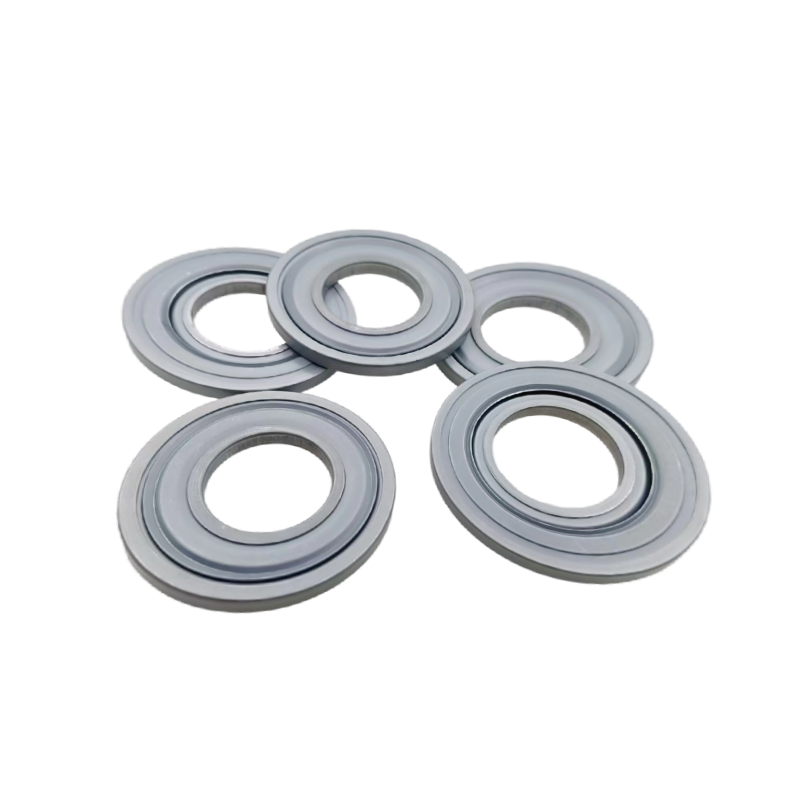
AV Nilos rings incorporate an axial (side-mounted) design that positions the sealing labyrinth facing outward from the bearing bore. This configuration excels in applications where the sealing surface must accommodate high-speed rotation while maintaining consistent contact with the bearing raceway. The AV design creates a hydrodynamic air pocket that repels contaminants through rotational forces.
Key operational advantages of the AV configuration include enhanced centrifugal force utilization, reduced installation footprint requirements, and compatibility with standard bearing housings. Facilities utilizing high-speed applications consistently report improved performance when transitioning to AV-configured systems.
The 6224 JV Ring Configuration
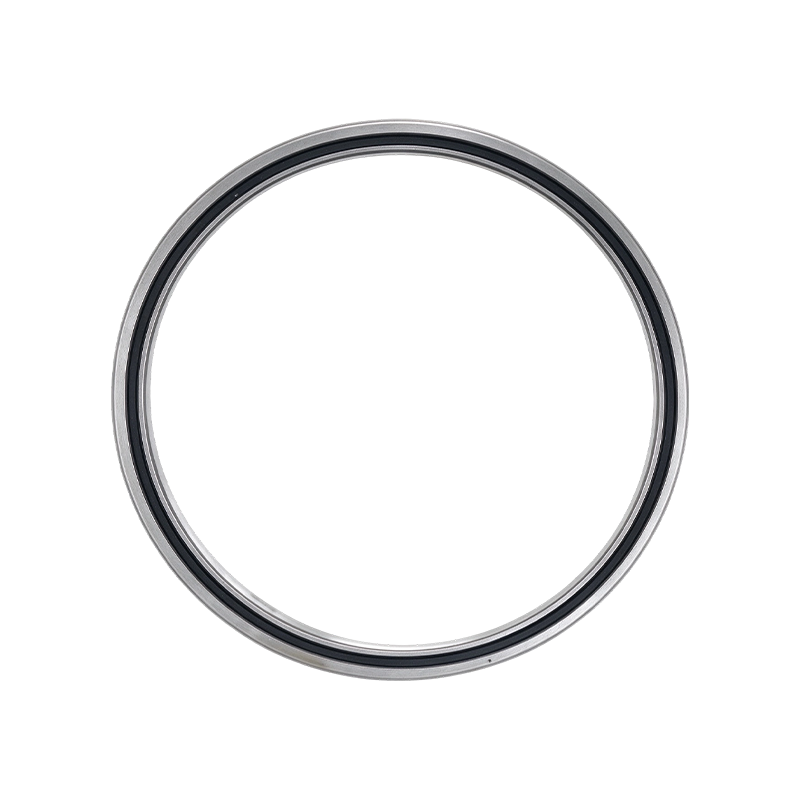
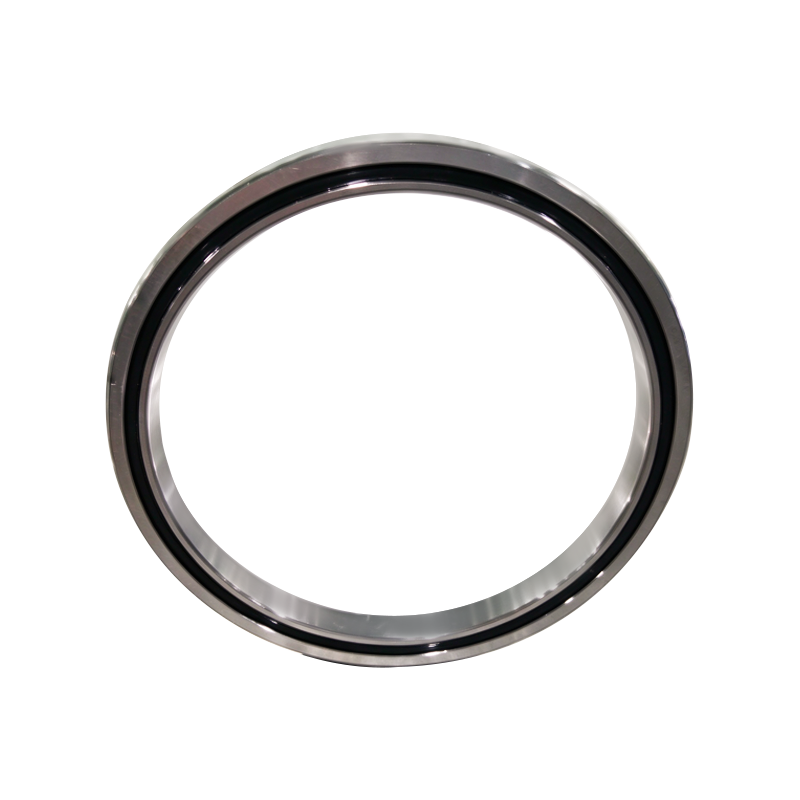
JV Nilos rings employ a radial (bore-mounted) design that positions the sealing element within the bearing cavity itself. This internal placement offers superior protection against heavy contamination scenarios where external sealing alone proves insufficient. The JV configuration creates a protective barrier directly within the bearing bore, capturing particles before they reach critical contact surfaces.
Applications involving extreme environmental contamination, abrasive mining operations, and agricultural equipment installations demonstrate exceptional performance with JV configurations. The internal positioning provides mechanical isolation superior to external sealing approaches.
Feature
AV Configuration
JV Configuration
Mounting Position
External (Axial)
Internal (Radial)
Operating Speed Range
High Speed (3000+ RPM)
Moderate Speed (1500-3000 RPM)
Contamination Protection
Moderate to Good
Excellent
Installation Complexity
Low to Moderate
Moderate to High
Housing Modification Required
Minimal
Possible
6224 Bearing Dimensions and Nilos Ring Specifications
Precision dimensional compatibility forms the foundation of effective sealing system performance. The standard 6224 bearing dimensions establish baseline parameters that determine appropriate Nilos ring selections and installation methodologies.
Standard 6224 Bearing Dimensional Framework
The International Standard rolling bearing designation "6224" encodes specific dimensional information that guides sealing component selection. The bore diameter, outer diameter, and width measurements create the geometric envelope within which Nilos rings must operate. Understanding these baseline measurements proves essential for successful implementation.
Standard 6224 Bearing Dimensions
Bore Diameter: 120 millimeters
Outer Diameter: 215 millimeters
Width: 40 millimeters
Dynamic Load Rating: 81.9 kilonewtons
Static Load Rating: 106 kilonewtons
Nilos Ring Dimensional Alignment
Nilos ring specifications for the 6224 bearing accommodate these standard dimensions while maintaining clearance tolerances that permit hydrodynamic operation. AV-configured rings typically feature slightly larger outer diameters to mount externally on the bearing assembly, while JV-configured rings maintain bore-compatible dimensions for internal installation.
How Nilos Rings Create Effective Bearing Seals
The sealing mechanism employed by Nilos ring technology represents a sophisticated engineering approach that combines mechanical contact surfaces with hydrodynamic principles. Understanding this operational methodology illuminates why Nilos systems outperform traditional seal designs in contamination-prone environments.
Labyrinth Sealing Principles
Nilos rings employ a labyrinth geometry that creates multiple tortuous pathways for potential contaminants. Rather than relying on a single rigid seal surface, the labyrinth design forces particles to navigate a series of increasingly narrow passages. As rotating components create centrifugal forces, particles experience outward acceleration that propels them away from bearing raceways.
The labyrinth approach offers distinct advantages over traditional lip seals:
Eliminates direct friction against rotating components
Generates self-pumping action through rotational forces
Maintains effectiveness across broad speed ranges
Requires minimal maintenance intervention
Accommodates thermal expansion without performance degradation
Hydrodynamic Protection Mechanisms
Beyond mechanical labyrinth design, Nilos rings exploit hydrodynamic principles to create protective fluid films. As the bearing rotates, air molecules within the sealing labyrinth accelerate, creating pressure differentials that establish protective barriers. These pressure zones repel contaminating particles and prevent moisture intrusion through thermodynamic action.
The effectiveness of this hydrodynamic protection increases with rotational speed, making Nilos systems particularly valuable for high-speed applications. A bearing operating at 3000 RPM generates substantially more protective air pressure than a similar bearing operating at 1000 RPM.
Contact Surface Durability
Modern Nilos ring manufacturing employs advanced materials engineered to withstand extended operational cycles without surface degradation. The contact surfaces that interact with bearing outer raceways receive specialized hardening treatments that resist abrasive wear patterns. These material selections ensure that sealing effectiveness remains consistent throughout the bearing's operational lifespan.
Protection Against Contamination and Moisture Ingress
Industrial environments introduce diverse contamination threats that compromise bearing performance. Dust particles, moisture, chemical residues, and abrasive materials penetrate unprotected bearing assemblies, accelerating fatigue processes and reducing operational lifespan. Nilos ring systems address these threats through engineered protective barriers.
Dust and Particulate Exclusion
The primary contamination risk to unprotected bearings stems from airborne particulate matter. Manufacturing environments, agricultural operations, and mining facilities generate dust concentrations that infiltrate bearing assemblies within hours of exposure. Even microscopic particles accelerate raceway degradation by disrupting lubricant film integrity.
Nilos rings exclude particulate contamination through multiple mechanisms:
Initial filtration through outer labyrinth passages
Centrifugal expulsion via rotational forces
Secondary mechanical barriers within inner passages
Tertiary protection from hydrodynamic pressure zones
Moisture and Corrosion Prevention
Moisture intrusion represents an equally significant degradation mechanism, particularly in humid environments or applications involving washdown procedures. Water penetration initiates corrosion processes on raceway surfaces and bearing balls, reducing load-bearing capacity and increasing friction coefficients.
Nilos ring configurations create hydrophobic barriers that repel moisture while permitting controlled lubricant circulation. The labyrinth geometry channels moisture away from critical contact surfaces, preventing accumulation of water films that initiate corrosion. This moisture exclusion capability proves particularly valuable in coastal, agricultural, and food processing applications.
Chemical Residue Management
Industrial facilities encounter chemical contamination from cleaning solutions, cutting fluids, process residues, and environmental pollutants. These chemical contaminants compromise lubricant effectiveness and corrode bearing surfaces. Nilos rings maintain chemical barriers that prevent these harmful substances from reaching bearing raceways.
Protection Performance Metrics: Facilities implementing Nilos ring protection report average bearing lifespan extensions of 50-75% compared to unprotected assemblies, with reductions in unplanned maintenance events exceeding 60%.
Installation and Integration Procedures
Successful Nilos ring implementation requires careful attention to installation methodology, alignment tolerances, and assembly sequencing. Improper installation negates the protective benefits these systems provide, emphasizing the importance of precise procedural adherence.
Pre-Installation Assessment
Before commencing installation procedures, technicians must verify bearing specifications, confirm Nilos ring compatibility, and assess housing conditions. This assessment phase prevents costly compatibility issues and installation failures.
Confirmation of bearing designation and dimensional specifications
Visual inspection of housing bore and raceway surfaces
Verification of Nilos ring configuration suitability
Assessment of available installation clearances
Determination of appropriate mounting methodology
AV Configuration Installation Procedures
AV Nilos rings mount externally on bearing outer raceways, requiring careful axial positioning to ensure optimal sealing surface contact. The installation sequence involves:
AV Installation Sequence
Clean bearing outer raceway surface completely
Position Nilos ring on prepared bearing surface
Verify alignment with bearing axial centerline
Secure ring position per manufacturer specifications
Inspect sealing surface contact confirmation
Apply appropriate lubricant before operational deployment
JV Configuration Installation Procedures
JV Nilos rings require bore-side installation, necessitating potential housing modifications and more complex assembly procedures. This configuration demands higher precision during installation to ensure proper bore alignment and clearance maintenance.
Alignment and Tolerance Considerations
Nilos ring performance depends critically on precise radial and axial alignment. Misalignment exceeding manufacturer tolerances introduces uneven contact pressure that accelerates sealing surface wear and compromises protective effectiveness. Installation procedures must verify alignment accuracy within specified tolerance bands.
Critical alignment parameters include:
Axial runout not exceeding 0.1 millimeters
Radial runout within specified bearing tolerances
Housing bore concentricity meeting standard tolerances
Surface finish specifications on contact surfaces
Maintenance and Extended Bearing Longevity
Nilos ring systems reduce maintenance requirements while extending bearing operational lifespan significantly. Understanding appropriate maintenance protocols and monitoring methodologies enables facilities to maximize the value derived from these protection investments.
Condition Monitoring Techniques
Effective maintenance practices incorporate regular inspection protocols that detect incipient sealing surface degradation before catastrophic failure occurs. Condition monitoring provides early warning indicators that permit proactive maintenance scheduling.
Primary monitoring approaches include:
Visual inspection of accessible sealing surfaces
Vibration signature analysis for bearing condition assessment
Thermal imaging to detect bearing operating temperatures
Lubricant particle analysis for contamination detection
Acoustic emission monitoring for early failure detection
Lubrication Management
Proper lubricant selection and maintenance intervals remain critical to bearing longevity even with Nilos ring protection. The sealing system prevents contamination entry but does not eliminate the need for appropriate lubricant replenishment and renewal.
Effective lubrication practices supporting Nilos ring systems include:
Selection of lubricants compatible with seal materials
Adherence to manufacturer-specified lubrication intervals
Verification of lubricant quantity within appropriate ranges
Periodic lubricant sampling and analysis
Replacement of degraded lubricants per maintenance schedules
Bearing Lifespan Extension Benefits
Organizations implementing Nilos ring protection report consistent bearing lifespan improvements across diverse application scenarios. Average operational life extensions of 50-100% provide substantial economic benefits through reduced replacement frequency and minimized production disruptions.
Quantifiable Longevity Benefits
Application Type
Without Nilos Ring
With Nilos Ring
Lifespan Extension
Industrial Gearbox
18-24 months
36-48 months
75-100%
Mining Equipment
12-18 months
24-36 months
67-100%
Agricultural Machinery
20-28 months
40-56 months
67-100%
Industry-Specific Application Scenarios
Different industrial sectors present unique bearing protection challenges that demand tailored sealing approaches. Understanding application-specific requirements enables optimal Nilos ring configuration selection.
Industrial Gearbox Applications
Gearbox assemblies expose bearings to high-speed rotation, elevated temperatures, and mechanical shock loads. These demanding conditions accelerate bearing degradation without adequate protection. Nilos ring systems protect gearbox bearings by excluding thermal degradation products and preventing moisture accumulation that initiates corrosion.
Gearbox installations typically benefit from AV-configured Nilos rings that accommodate high-speed operation while minimizing installation disruption to existing equipment. The external mounting geometry simplifies retrofit implementation on established gearbox designs.
Mining and Heavy Equipment
Mining operations generate severe contamination environments with dust concentrations far exceeding typical manufacturing facilities. Abrasive particle infiltration accelerates bearing wear patterns dramatically, necessitating robust sealing solutions. JV-configured Nilos rings provide the enhanced contamination protection these harsh environments demand.
Mining equipment operating in open-pit conditions or underground environments benefits significantly from the internal bore-mounted protection JV configurations provide. Dust exclusion improvements measured in industry installations exceed 85%, translating to bearing life extensions of 75-100%.
Agricultural Machinery Systems
Agricultural equipment encounters moisture, fertilizer residues, crop debris, and soil contaminants that compromise unprotected bearing performance. Seasonal variations in humidity and temperature impose additional operational stresses. Nilos ring protection enables agricultural machinery to maintain consistent performance across diverse seasonal and environmental conditions.
Agricultural applications frequently employ AV configurations due to retrofit compatibility with existing equipment designs. The simplicity of external mounting permits field-level implementation without major mechanical redesign.
Pump and Motor Applications
Centrifugal pumps and electric motors require bearing protection against fluid spray, environmental moisture, and airborne contamination. Nilos ring systems maintain bearing integrity in these demanding wet environments while minimizing maintenance intervention requirements.
Economic Benefits and Return on Investment Analysis
Nilos ring implementation represents a capital investment that generates substantial economic returns through extended bearing life, reduced maintenance costs, and minimized production disruptions. Quantifying these benefits demonstrates compelling financial justification for protective seal adoption.
Cost Components and Comparison
The total cost of bearing protection encompasses initial ring acquisition expenses, installation labor, and incremental maintenance requirements. Comparing protected versus unprotected bearing costs reveals significant long-term savings despite higher initial capital outlay.
Typical cost structure for bearing protection decisions:
Unprotected bearing lifecycle cost: bearing replacement 3-4 times annually plus unplanned downtime
Protected bearing lifecycle cost: single ring investment plus extended maintenance intervals
Downtime cost avoidance from improved bearing reliability
Productivity improvement from reduced equipment unavailability
Return on Investment Metrics
Facilities implementing Nilos ring protection typically achieve positive return on investment within 6-12 months. This rapid payback period reflects the substantial cost reductions generated through extended bearing lifespan and reduced maintenance frequency.
Typical ROI Timeline and Savings
Month 1-3: Initial capital recovery begins through maintenance cost reductions
Month 6: Typical breakeven point for moderate-use applications
Month 12: Complete ROI achievement with accumulated savings
Year 2+: Sustained cost savings continue with extended bearing intervals
Maintenance Cost Reduction Mechanisms
Nilos ring implementation reduces maintenance expenses through multiple mechanisms that accumulate substantial savings over extended operational periods.
Primary cost reduction areas include:
Bearing replacement frequency reduction of 50-75%
Lubricant consumption optimization through contamination prevention
Unplanned maintenance event elimination or reduction
Production disruption cost avoidance
Secondary component damage prevention
Seal Replacement and Maintenance Procedures
Extended bearing lifespan does not eliminate periodic maintenance requirements. Nilos ring sealing surfaces eventually require replacement after prolonged operational service. Understanding replacement procedures enables efficient maintenance implementation with minimal equipment downtime.
Condition Assessment for Replacement Timing
Strategic maintenance planning identifies appropriate replacement timing through systematic condition evaluation. Replacing Nilos rings proactively prevents sealing surface degradation that might compromise bearing protection during critical operational phases.
Indicators suggesting Nilos ring replacement consideration:
Visual observation of sealing surface wear or scoring
Operational time exceeding manufacturer service life expectations
Replacement Procedure Overview
Nilos ring replacement requires careful disassembly procedures that prevent bearing damage during removal. Following manufacturer-specified procedures ensures successful ring replacement without compromising bearing integrity.
Basic replacement procedure steps:
Shut down equipment and ensure complete rotation cessation
Remove existing Nilos ring using appropriate extraction tools
Inspect bearing surfaces for damage or excessive wear
Clean bearing assembly thoroughly
Install replacement Nilos ring following installation procedures
Verify alignment and proper seating before operational restart
Frequently Asked Questions
Q1: What bearing speed limitations apply to Nilos ring systems?
Nilos ring performance extends across broad speed ranges, with AV configurations rated for operation to 3000 RPM and beyond in standard applications. JV configurations typically accommodate 1500-3000 RPM ranges, though specific limitations depend on bearing size, mounting configuration, and operating environment. Manufacturers provide detailed speed ratings for specific ring configurations based on contact geometry and material selection.
Q2: Can Nilos rings be retrofitted to existing bearing assemblies without equipment redesign?
AV-configured Nilos rings offer excellent retrofit compatibility, permitting installation on existing bearing assemblies with minimal housing modifications. JV configurations may require bore-side modifications depending on existing housing design. Most retrofit implementations require only professional technician-level procedures without major mechanical redesign.
Q3: What cost savings typically result from Nilos ring protection implementation?
Bearing protection implementation generates cost savings exceeding 50% of total bearing-related maintenance expenditures for most industrial applications. Facilities report positive return on investment within 6-12 months, with accumulated savings continuing throughout the extended bearing lifespan. Savings magnitude depends on bearing replacement frequency, maintenance labor costs, and production disruption expenses in specific operational environments.
Q4: How do Nilos rings perform in extreme temperature environments?
Modern Nilos ring manufacturing utilizes advanced materials rated for operation across -40 to +120 degrees Celsius temperature ranges. Material selection ensures that thermal expansion does not compromise sealing effectiveness or introduce misalignment. Extreme temperature applications may require specialized material compositions specified by bearing manufacturers for specific environmental conditions.
Q5: What inspection intervals should apply to protected bearings?
Nilos ring-protected bearings benefit from inspection intervals extended significantly beyond unprotected bearing schedules. Initial inspection at 3-4 month intervals permits early detection of installation issues. After confirming proper operation, inspection frequency can extend to 6-12 month intervals depending on application severity and contamination exposure risk.
Q6: Are specialized tools required for Nilos ring installation and removal?
Professional installation procedures typically utilize bearing puller tools and positioning fixtures specifically designed for bearing ring applications. These specialized tools prevent damage to bearing raceways and sealing surfaces during installation and removal operations. While standard equipment exists, bearing manufacturers often recommend tool specifications for particular configurations to ensure optimal results.
Q7: Can nilos ring performance degrade in dusty manufacturing environments?
Nilos ring contamination exclusion effectiveness remains consistent in dusty environments, representing precisely the operational scenario these systems address. Labyrinth geometry and hydrodynamic protection mechanisms continue functioning effectively even in severe dust conditions, provided proper installation and maintenance procedures are observed. Contamination monitoring becomes especially valuable in severe dust environments to verify continued protection effectiveness.
Q8: What distinguishes premium Nilos ring offerings from standard configurations?
Premium Nilos ring products incorporate advanced materials, enhanced manufacturing precision, and optimized labyrinth geometries that extend sealing surface life and improve contamination exclusion performance. These enhancements justify higher initial capital investment through extended service intervals and superior performance in severe operating environments. Selection between standard and premium options depends on specific application demands and cost-benefit analysis results.

 English
 Español
 русский