
Crossed Roller Bearings (Cross-Roller Bearings)Crossed Roller Bearings, also known as cross-roller bearings, utilize an internal structure where cylindrical rollers are arranged crosswise at a 90° angle to each other within V-shaped raceways. Separators or spacers are placed between the rollers.This structure allows a single bearing to simultaneously handle loads in all directions, including radial loads, axial loads, and overturning moments. The bearings are characterized by their minimal overall dimensions (miniaturization), high rigidity, high rotational accuracy, and combined load-carrying capacity. Therefore, they are best suited for: Joints or rotating parts of industrial robots. Rotating parts of manipulators/robot hands.Rotary tables of machining centers.Precision rotary tables.Medical equipment.Measuring instruments.IC manufacturing equipment, and other applications. Structural Types of Crossed Roller Bearings Crossed roller bearings are generally classified into three structural forms: Outer ring separable, inner ring integrated. Outer ring integrated, inner ring separable. Both outer and inner rings are integrated.
1. RB Type (Separable Outer Ring, Integrated Inner Ring)Structure: The outer ring is split into two pieces, while the inner ring is a single, integrated component.Application: Suitable for applications requiring high rotational accuracy of the inner ring.
2. RE Type (Integrated Outer Ring, Separable Inner Ring)Structure: Has the same external dimensions as the RB type, but the outer ring is integrated, and the inner ring is split into two pieces.Application: Suitable for applications requiring high rotational accuracy of the outer ring.
3. RU Type (Integrated Inner and Outer Rings, with Mounting Holes)Structure: Both inner and outer rings are integrated and feature mounting holes. This eliminates the need for fixing flanges and support seats, making it very convenient to use. Performance: Since the inner and outer rings are integrated, installation has minimal effect on performance, ensuring stable rotational accuracy and torque.Application: Suitable for applications requiring high rotational accuracy for both the inner and outer rings.
4. RA Type (Separable Outer Ring, Integrated Inner Ring, Ultra-Thin)Structure: An ultra-thin design where the thickness of the inner and outer rings is reduced to the maximum extent. The structure is the same as the RB type, with a split outer ring. Application: Suitable for parts requiring lightweight and compact design, such as the rotating sections of robots and manipulators.
5. RBH Type (Integrated Inner and Outer Rings, Ultra-Thin)Structure: Ultra-thin design with integrated inner and outer rings, but without mounting holes. Requires fixing with flanges and support seats during installation.Performance: The integrated structure of both rings prevents performance degradation due to installation, ensuring stable rotational accuracy and torque.Application: Suitable for applications requiring small size (miniaturization) while maintaining high rotational accuracy for both inner and outer rings.
6. SX Type (Integrated Inner Ring, Separable Outer Ring, Ultra-Thin)Structure: For the same shaft diameter, the SX type has a smaller cross-section than the RB type. Due to the ultra-thin design, neither the inner nor outer rings have mounting holes, requiring fixing with flanges and bearing seats during installation. Application: Suitable for applications where the inner ring rotates.
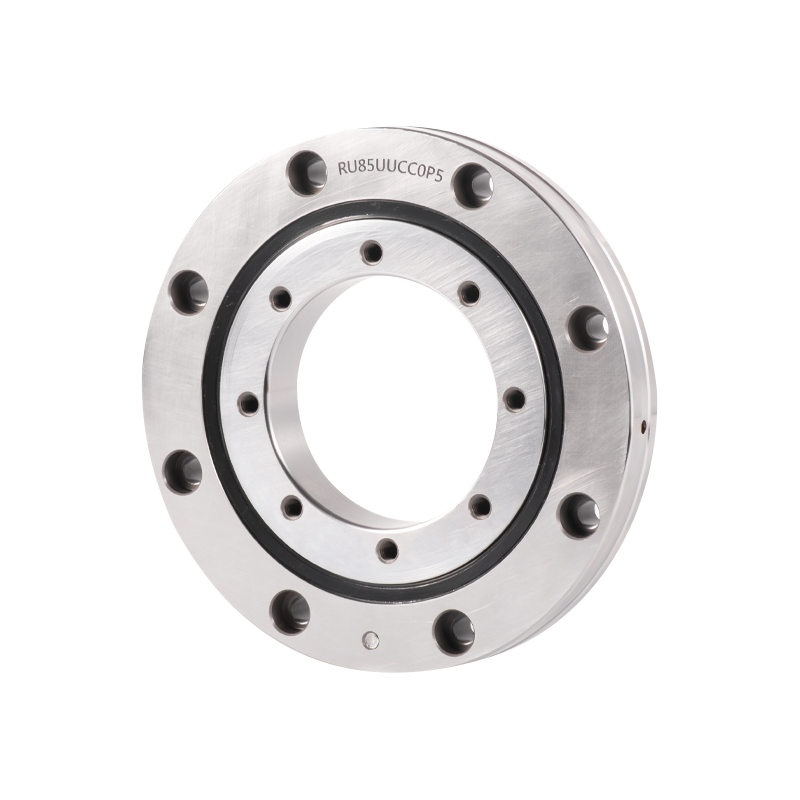
Industrial Robot Bearings: A Professional Translation
Industrial robot bearings are core components of robots, primarily utilized in joints, slewing units, and precision rotary tables.
The main types include Crossed Roller Bearings and Constant Section Thin-Walled Bearings.
These bearings are required to withstand multi-directional loads while offering characteristics such as high precision, high rigidity, and low friction.
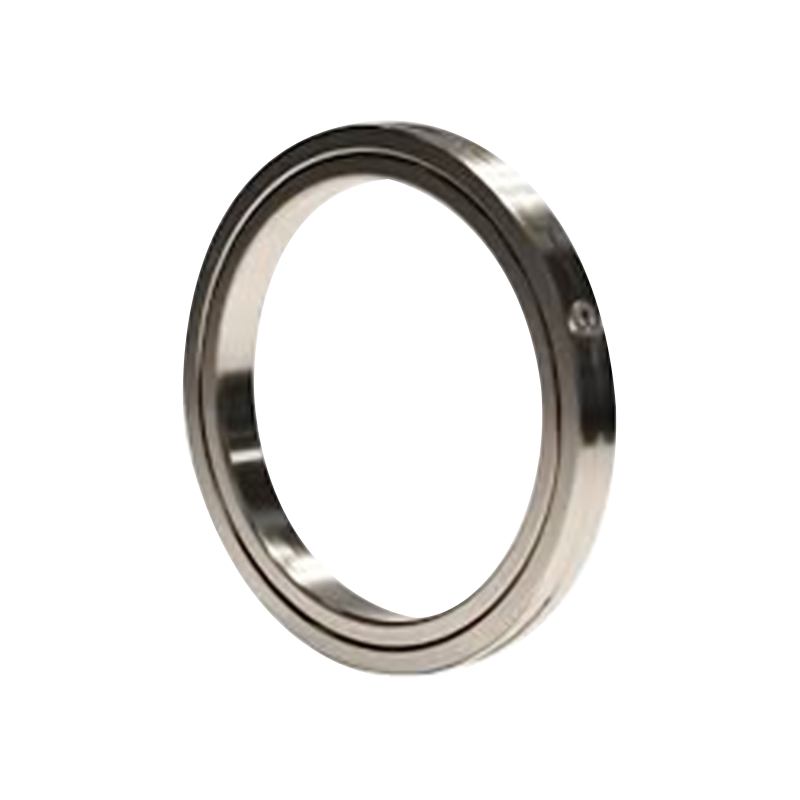
The raceways of the inner and outer rings of an angular contact ball bearing are displaced relative to each other in the direction of the bearing axis. This indicates that these bearings are designed to accommodate combined loads, i.e., both a radial load and an axial load. The axial load-carrying capacity of an angular contact ball bearing increases as the contact angle increases. The contact angle is defined as the angle between the line connecting the contact points of the ball and the raceways (i.e., the direction through which the combined load is transmitted from one raceway to the other) and a line perpendicular to the bearing axis in the radial plane.
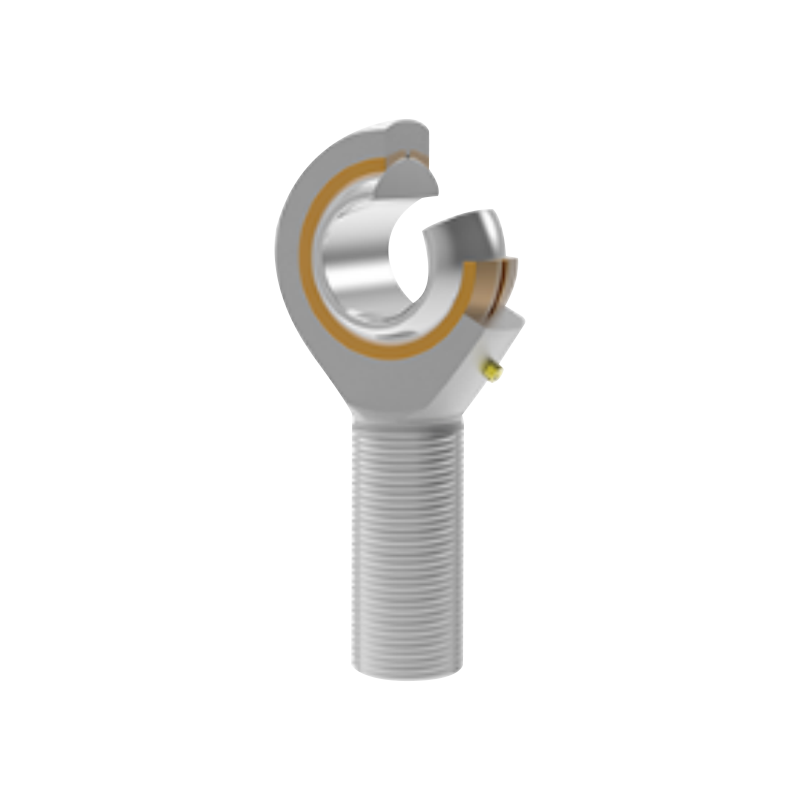
Rod End Bearing are essential mechanical components used in various applications to provide rotational and oscillating movement between two linked components. They play a crucial role in transferring motion and load in different industrial and automotive systems, offering high precision and efficiency in challenging environments.
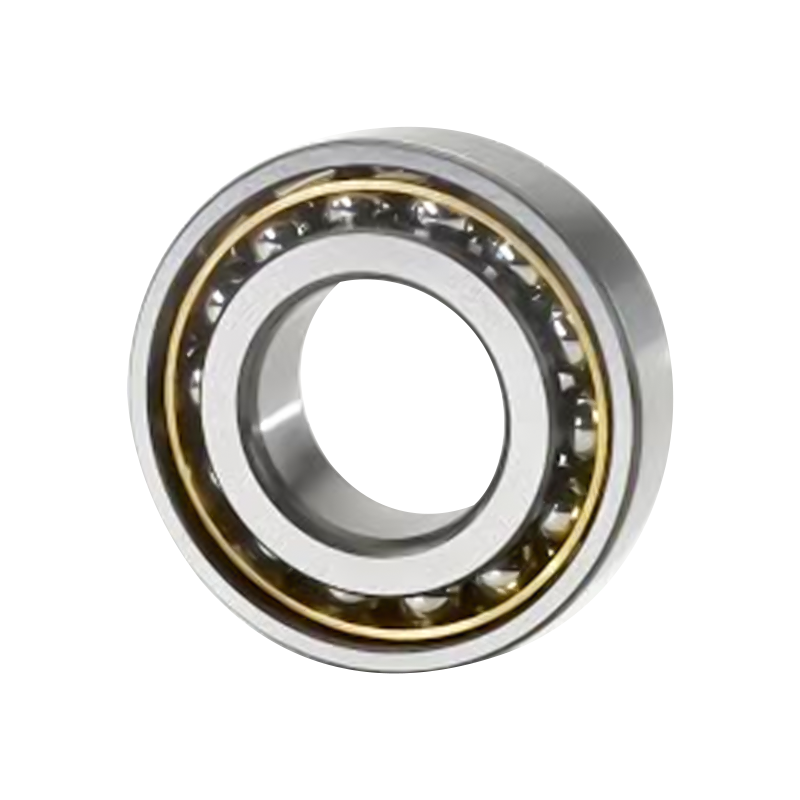
A spherical roller bearing consists of an outer ring with a spherical raceway and an inner ring with two raceways, one or two cages, and a set of spherical rollers.
Since the center of the outer ring's spherical raceway coincides with the bearing center, the bearing possesses the self-aligning property (Self-Alignment). This enables it to automatically compensate for misalignment arising from angular errors between the shaft and the housing, or from shaft deflection.
These bearings are capable of accommodating heavy radial loads and certain bi-directional axial loads, making them particularly suitable for applications subjected to heavy loads or vibration.
Spherical roller bearings are available with two types of bores: a cylindrical bore and a tapered bore. Tapered bore bearings are designated by the suffix "K" (with a taper of 1:12) or "K30" (with a taper of 1:30) following the basic designation.
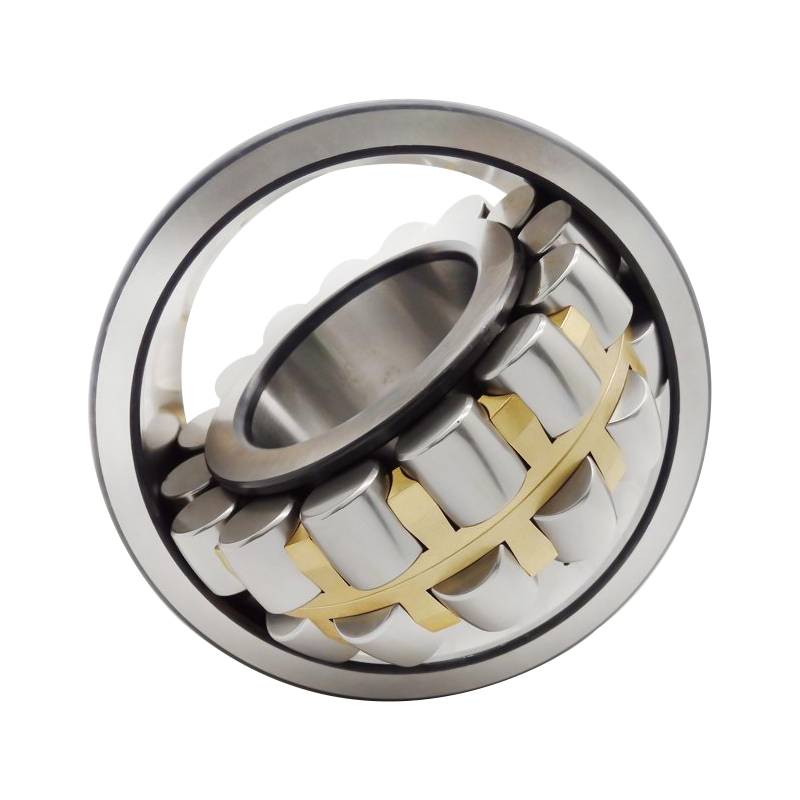
Cylindrical roller bearings are bearings where the cylindrical rollers and the raceways are in line contact.
They possess a high load capacity and primarily accommodate radial loads. Due to the low friction between the rolling elements and the ring ribs/flanges, they are suitable for high-speed rotation.
Depending on the presence or absence of flanges on the rings, they are categorized into:
Single-row cylindrical roller bearings: Such as NU, NJ, NUP, N, and NF types.
Double-row cylindrical roller bearings: Such as NNU and NN types.
These bearings typically have a separable inner ring and outer ring structure.
Cylindrical roller bearings without flanges on either the inner or outer ring permit relative axial displacement between the inner and outer rings. Consequently, these types can be utilized as non-locating (floating) bearings (or "free-end bearings").
Cylindrical roller bearings featuring double flanges on one side and a single flange on the opposite ring can withstand a certain degree of axial load in one direction.
Generally, they use pressed steel cages or machined solid brass cages. However, some designs also utilize molded polyamide cages.
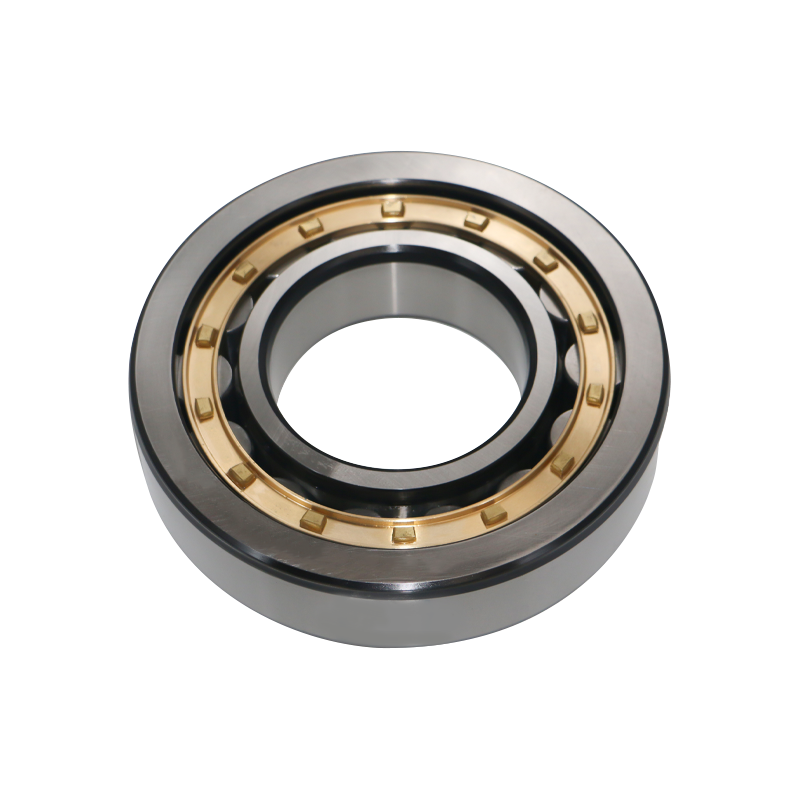
The design of tapered roller bearings features conical surfaces on the cup (outer ring), cone (inner ring), and rollers, with the vertices of these surfaces converging at a common point on the bearing axis.
In addition to metric series bearings, inch series bearings are also available.
This type of bearing is suitable for applications involving heavy or shock loads.
Tapered roller bearings:
Are capable of simultaneously accommodating radial loads and axial loads in one direction.
Since an axial component force is generated when this type of bearing is radially loaded, two bearings must be used together, either face-to-face or back-to-back, or two or more bearings must be matched for use.
Are available in Standard, Medium, and Steep types, which have different contact angle sizes.
The medium-taper metric series bearings are identified by the supplementary code “C” added as a suffix to the bearing number.
Bearings whose outer ring width, small inner diameter of the outer ring, and contact angle are determined according to the ISO 355 specification are designated by the auxiliary suffix code “J”.
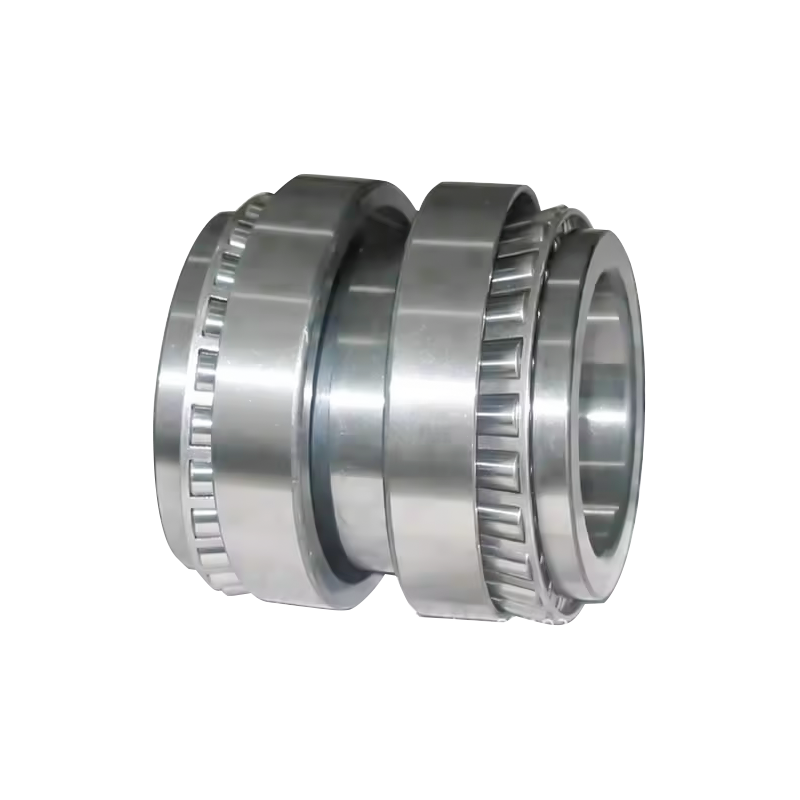
The NILOS-RING metal seal is a metallic sealing element specifically designed for grease-lubricated bearings. Its purpose is to protect the bearings from the ingress of contaminants.
The all-metal NILOS rings are engineered to prevent dirt, dust, debris, and other abrasive contaminants from entering both ball and roller bearings. This helps to extend the uptime and service life of the bearings, particularly in harsh operating environments and industries.
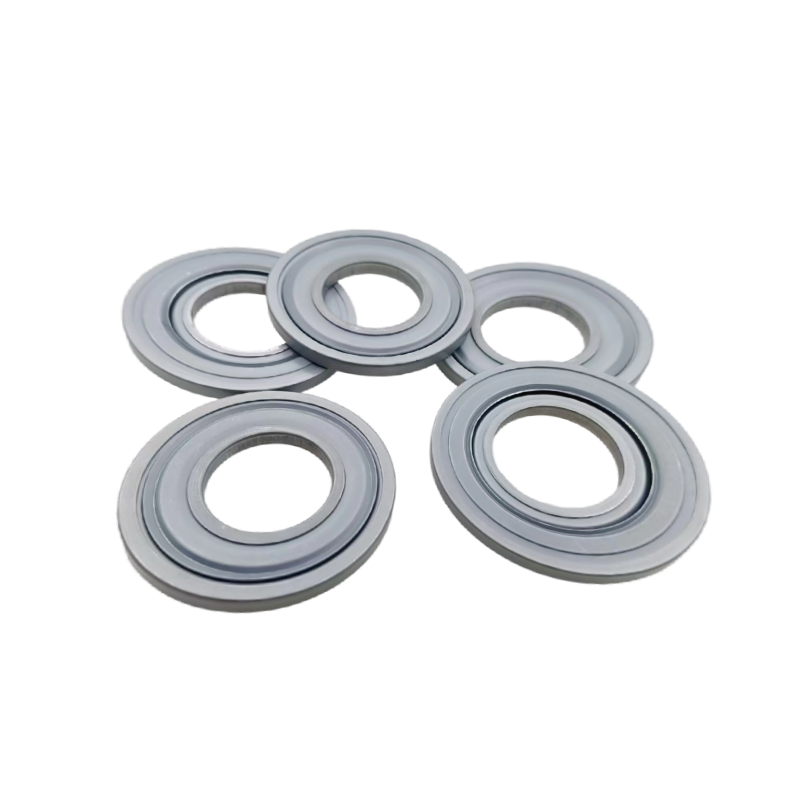
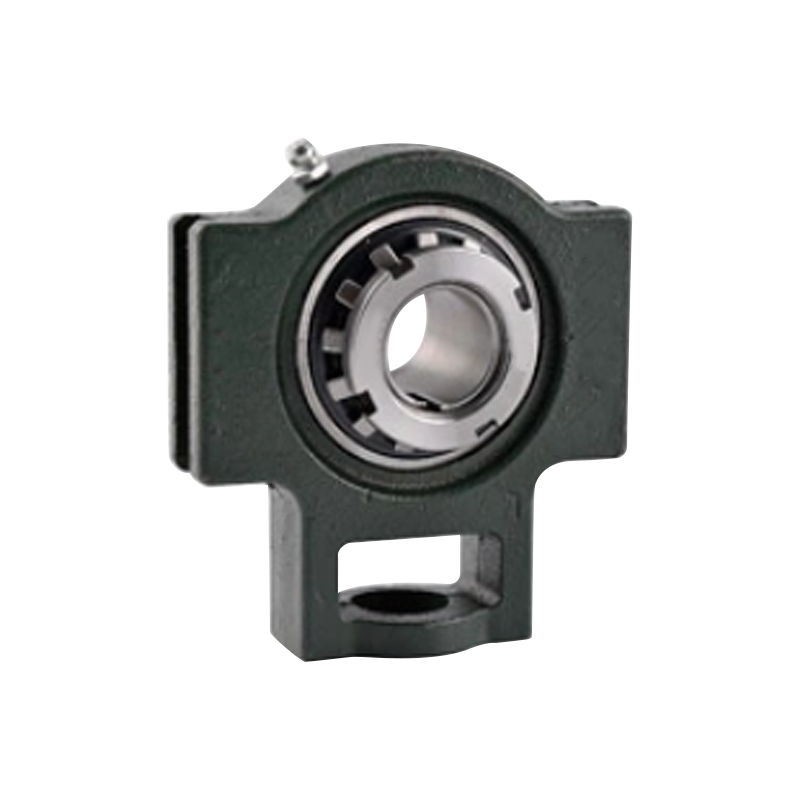
Plummer Block Units / Mounted Bearings A Plummer Block Unit (also known as a Mounted Bearing Unit) is a bearing assembly that combines a rolling bearing with a bearing housing. It is a ready-to-install bearing unit that includes a housing with a base and an insert bearing within a mounting block. The mounting block is secured to the base, and the shaft is then inserted, allowing the internal components to rotate. The core value of these units lies in the fact that they are fully self-contained, pre-lubricated units that are ready to be mounted onto equipment, which greatly simplifies the assembly process for mechanical machinery. Structural Features of Mounted Bearings Mounted bearing units utilize an integrated design of the bearing and the mounting housing. In the case of self-aligning types, the bearing is secured by a snap ring (or retaining ring). These units possess automatic self-aligning capability, allowing them to accommodate shaft misalignment or angular errors up to 3°.

0+
years
Industry Experience

0+
Model diversity

0+
Number of Employees

0
$
Annual export value

As quadruped robots, especially those designed to mimic wolves, continue to gain traction in robotics and artificial intelligence, the importance of choosing the right be...
Introduction In the ever-evolving field of healthcare, the role of medical equipment bearings is crucial. These small yet essential components ensure that complex medical...
Introduction When selecting bearings for rotating machinery, the performance of the bearing plays a crucial role in the overall efficiency and reliability of the system. ...
Introduction In the world of manufacturing, precision is key. Every step of the production process must be executed with utmost accuracy to ensure high-quality end produc...
Introduction In the world of robotics, especially in high-precision applications, robot bearings play a critical role in ensuring that robotic arms perform efficiently un...
Product Categories
Contact Us

+86-510- 88763239
+86-13585028417

#198-601,Minfeng Road, Liangxi District, Wuxi, Jiangsu, China
Ready to Begin?
Get in Touch

Now!

UKL BEARING
 English
 Español
 русский

