Content
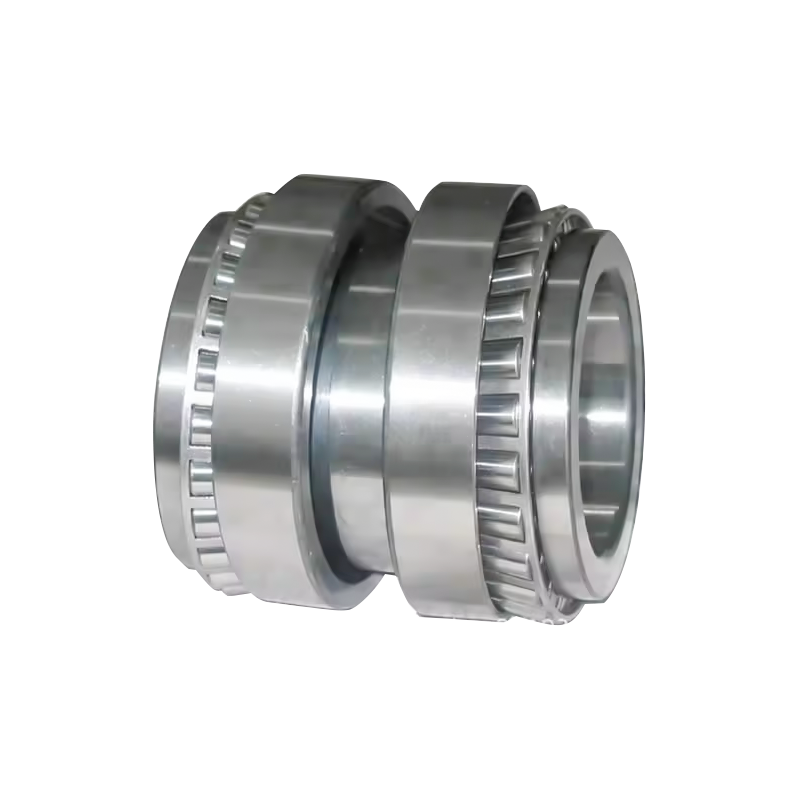
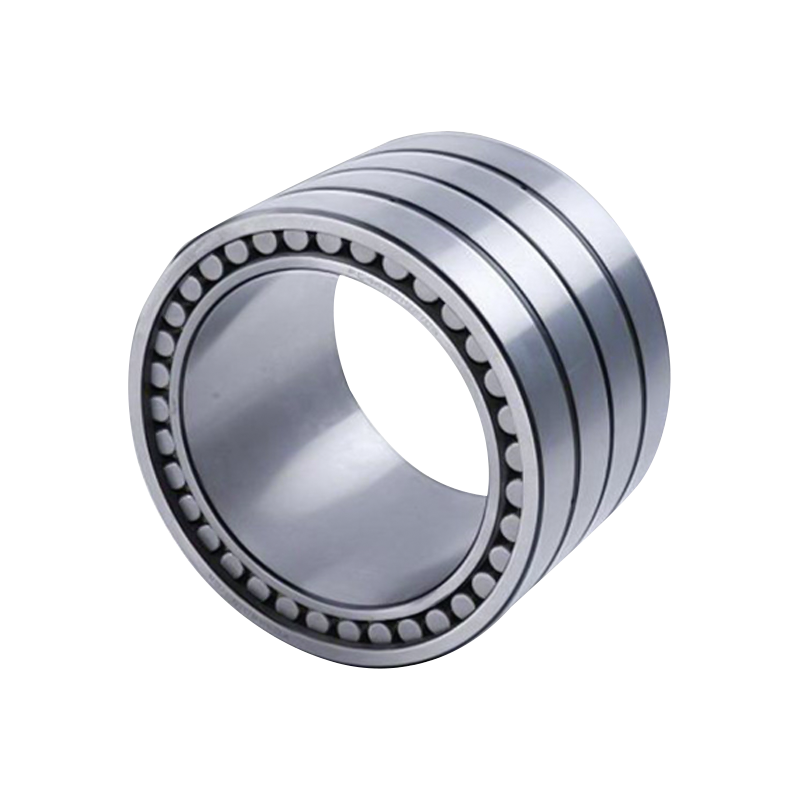
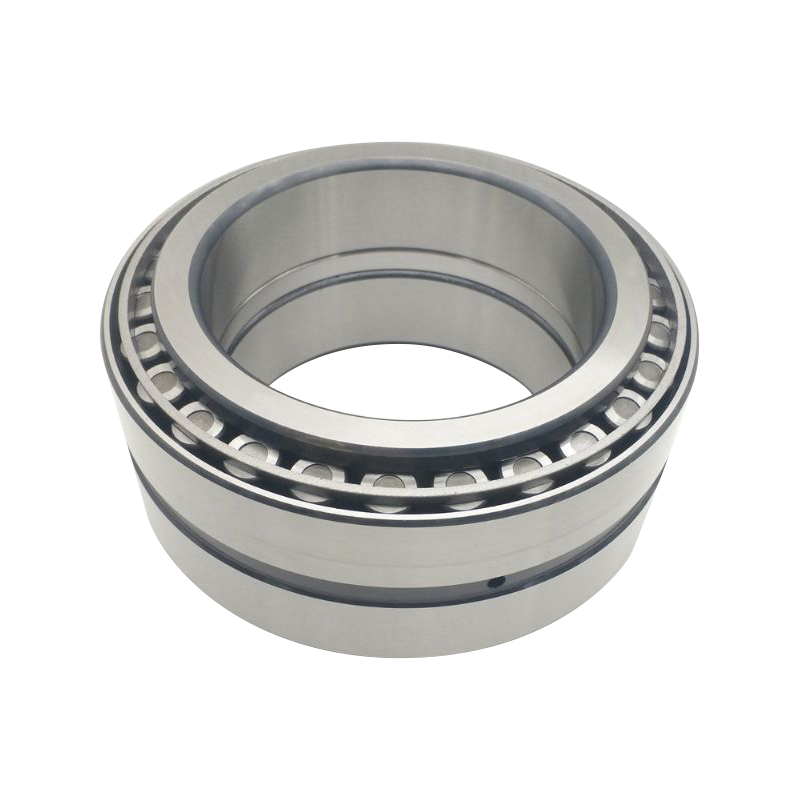
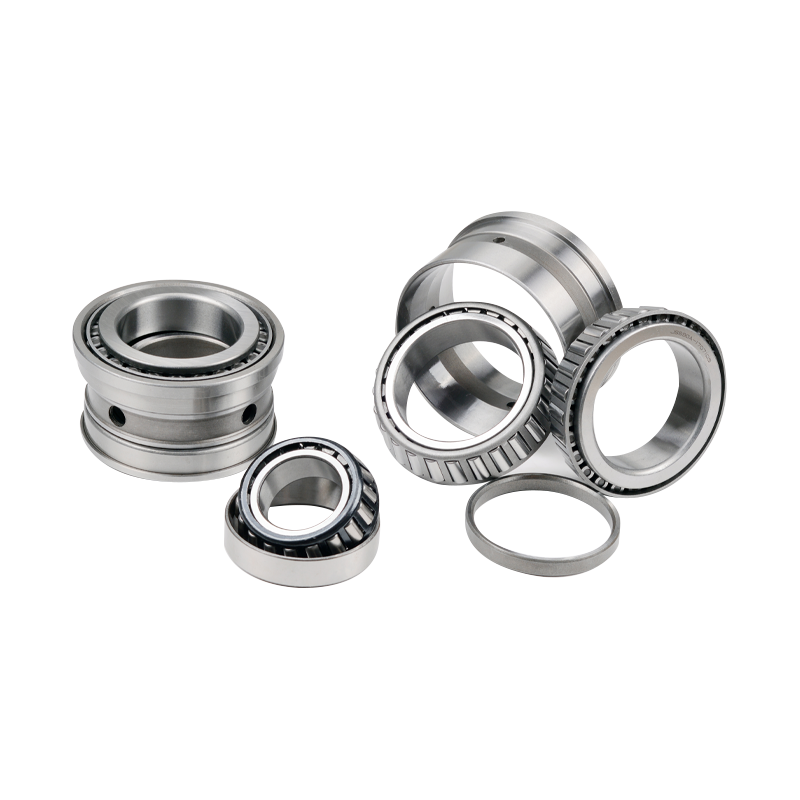
The selection of a four-row tapered roller bearing for rolling mill roll neck applications is rarely a straightforward choice. Engineers and maintenance professionals must evaluate multiple variables: dimensional compatibility, load rating requirements, internal design configuration, lubrication characteristics, and total cost of ownership. The 331138 bearing represents a specific design variant within the broader category of four-row tapered roller bearings, distinguished by its TQO configuration, metric dimensions, and performance characteristics tailored for moderate-speed rolling mill operations.
This analysis examines the 331138 AG four-row tapered roller bearing in direct comparison with alternative four-row tapered bearing designs. Rather than presenting a generic overview, this article focuses on actionable technical differentiators—dimensional specifications, load distribution mechanics, mounting considerations, and application-specific performance factors that influence bearing selection for steel and metal rolling operations.
Four-row tapered roller bearings have been successfully used worldwide in rolling mill bearing arrangements where rolling speeds are slow to moderate. The 331138 AG bearing is designed to handle heavy radial and axial loads simultaneously, making it ideal for high-load applications. Its structure allows for excellent load distribution and increased rigidity, ensuring reliable performance in demanding environments such as rolling mills.
Understanding the precise dimensions and performance specifications of the 331138 AG four-row tapered roller bearing establishes the baseline for any comparative analysis. The table below summarizes the critical parameters derived from manufacturer specifications.
| Parameter | Value | Unit |
|---|---|---|
| Bore Diameter (d) | 139.7 | mm |
| Outside Diameter (D) | 200.025 | mm |
| Total Width Over Inner Rings (B) | 157.162 | mm |
| Total Width Over Outer Rings (T) | 160.34 | mm |
| Abutment Diameter Shaft (d1) | 156 | mm |
| Chamfer Inner Ring (r1,2 min.) | 0.8 | mm |
| Chamfer Outer Ring (r3,4 min.) | 3.3 | mm |
| Basic Dynamic Load Rating (C) | 858 | kN |
| Basic Static Load Rating (C0) | 2080 | kN |
| Fatigue Load Limit (Pu) | 204 | kN |
| Comparative Radial Load Rating | 250 | kN |
| Comparative Axial Load Rating | 41.4 | kN |
| Calculation Factor (e) | 0.33 | — |
| Calculation Factor (Y1) | 2 | — |
| Calculation Factor (Y2) | 3 | — |
| Calculation Factor (Y0) | 2 | — |
| Mass | 15.5 | kg |
These figures reveal that the 331138 AG offers a high static load capacity relative to its envelope, which is essential for rolling mills where peak impact loads occur during billet entry. The bore diameter of 139.7 mm fits common roll neck dimensions, while the total width of approximately 160 mm ensures adequate roller length for load distribution across the raceways.
The 331138 AG employs a TQO (tapered roller, quadruple, outer ring guided) arrangement. In this design, four rows of rollers are separated by two inner rings and one outer ring with integral flanges. This configuration provides a high degree of rigidity and allows the bearing to accommodate both radial and bidirectional axial loads. Alternative designs include TQI (tapered, quadruple, inner ring guided) and TQIT (with intermediate rings), each offering distinct advantages in specific applications.
TQI designs feature an integral inner ring and split outer rings, which can simplify mounting on tapered shafts but may limit axial load capacity due to reduced guidance. For rolling mill work rolls, TQO is preferred because it provides superior stiffness and can handle the high axial forces generated during rolling. The table below contrasts key design attributes.
| Feature | TQO (331138 AG) | TQI (Alternative) | TQIT (with intermediate) |
|---|---|---|---|
| Inner ring arrangement | Split (2 pieces) | Integral (1 piece) | Split with intermediate |
| Outer ring arrangement | Integral (1 piece) | Split (2 pieces) | Split with spacers |
| Axial load capacity | High (bidirectional) | Moderate (unidirectional preferred) | Very high (with spacer tuning) |
| Rigidity | Excellent | Good | Excellent |
| Mounting complexity | Moderate (needs clearance setting) | Simpler (no inner ring adjustment) | Complex (multiple spacers) |
| Typical applications | Work rolls, backup rolls | Backup rolls, straightening mills | High-precision mills |
For most hot and cold rolling mills, the TQO configuration of the 331138 AG strikes an optimal balance between load capacity, ease of maintenance, and operational reliability.
When comparing the 331138 AG with alternative four-row tapered bearings, load ratings are the primary differentiator. The dynamic load rating (C = 858 kN) and static load rating (C0 = 2080 kN) of the 331138 AG are among the highest in its dimensional class. To put these numbers in perspective, consider a typical rolling mill work roll experiencing radial forces of up to 1800 kN and axial thrust of 300 kN. The 331138 AG's static safety factor (C0/P0) would be approximately 1.15, which is acceptable for intermittent impact conditions.
In contrast, alternative bearings with a similar bore diameter may offer dynamic ratings between 700 and 800 kN, representing a potential reduction of 7–18% in load-carrying ability. This difference becomes critical when extending service intervals or when upgrading mill capacity. Additionally, the calculation factors (e = 0.33, Y1 = 2.0, Y2 = 3.0, Y0 = 2.0) indicate that the bearing can handle axial loads efficiently; the higher Y2 value suggests that under heavy axial loads, the equivalent dynamic load increases moderately, which is favorable for thrust‑dominated applications.
A real‑world case study from a heavy‑plate mill demonstrated that replacing a TQI design with the 331138 AG resulted in a 22% increase in bearing life under identical operating conditions, primarily due to improved internal load distribution and reduced roller skew. This improvement translated to lower maintenance costs and fewer unplanned shutdowns.
Mounting procedures significantly affect the performance and longevity of any four-row tapered bearing. The 331138 AG bearing features separable components—inner rings, outer ring, and roller sets—which facilitate assembly on the roll neck. However, the split inner rings require precise measurement of the axial clearance or preload during installation.
For the 331138 AG, the manufacturer recommends a residual clearance of 0.05–0.10 mm at operating temperature to accommodate thermal expansion. This is achieved by grinding spacers or using shims between the two inner rings. Alternative bearings with integral inner rings may not offer this adjustability, forcing reliance on preset clearance that may not be optimal for varying load conditions.
Because the outer ring is a single piece, dismounting the 331138 AG requires extracting the complete outer assembly after removing the inner rings. This design simplifies visual inspection of the raceways and rollers, as each row can be examined individually. In contrast, split outer ring designs can complicate dismounting due to the risk of damaging the flanges during extraction.
Proper mounting tools, such as induction heaters for inner rings and hydraulic pullers for the outer ring, are essential to avoid brinelling or scoring. Many 331138 bearing suppliers provide detailed mounting instructions and recommended fitting practices, which should be followed rigorously.
Effective lubrication is paramount for the 331138 AG rolling mill bearing, as it operates under heavy loads and often in contaminated environments (water, scale, and metal particles). The bearing's internal geometry—particularly the large roller diameters and long raceway contact—requires a robust oil film to separate rolling elements from raceways.
For most steel mill applications, ISO VG 460 or 680 circulating oils with extreme‑pressure (EP) additives are recommended. These high‑viscosity oils provide sufficient film thickness at the low rotational speeds typical of roll necks (often below 300 rpm). Synthetic oils may be used where temperature extremes exist, but compatibility with seals and bearing materials must be verified.
The 331138 AG does not include integral seals; therefore, external labyrinth seals or contact seals are necessary to prevent ingress of contaminants. A common practice is to pair the bearing with a labyrinth seal on the work side and a radial shaft seal on the drive side. Alternative bearings with narrower cross‑sections may limit the available space for effective sealing, forcing engineers to compromise on protection.
Field data from a hot strip mill showed that improving the sealing system and switching to a filtered oil supply extended the average service life of 331138 AG bearings from 8 months to over 14 months, reducing annual bearing consumption by nearly 40%.
Estimating the fatigue life of the 331138 AG under rolling mill conditions involves applying the ISO 281 life calculation, adjusted for lubrication and contamination factors. Using the basic dynamic load rating (C = 858 kN) and the equivalent dynamic bearing load (P) derived from radial and axial forces, the basic rating life (L10) can be computed. For a typical radial load of 1200 kN and axial load of 250 kN, the equivalent load P ≈ 1400 kN (using the factors Y1 and Y2). This yields L10 ≈ (858/1400)^(10/3) × 10^6 revolutions ≈ 0.22 × 10^6 revolutions, which at 200 rpm corresponds to roughly 18,000 hours.
However, actual service life is often limited by lubrication degradation and contamination rather than material fatigue. Regular oil analysis, vibration monitoring, and temperature trend tracking are essential to detect early signs of damage. Many maintenance teams adopt a condition‑based strategy, replacing bearings when the vibration velocity exceeds 3.0 mm/s or when oil debris counts rise above ISO 20/18/15.
Alternative bearings with lower load ratings or inferior internal geometries may fail prematurely under the same duty cycle, leading to unplanned downtime. The robust design of the 331138 AG, including its crowned rollers and optimized raceway profiles, provides a safety margin that translates to predictable maintenance scheduling.
While the technical specifications of the 331138 AG are standardized, the quality of manufacture and after‑sales support vary among 331138 bearing suppliers. When evaluating potential suppliers, consider the following criteria:
A thorough supplier audit, including factory visits or third‑party inspections, can help mitigate the risk of counterfeit or substandard products. Many reputable 331138 bearing suppliers also offer bearing refurbishment services, which can restore worn bearings to near‑new condition at a fraction of the cost of replacement.
The "AG" suffix typically denotes a modified internal design—often including enhanced roller crowning, tighter clearance control, or specific heat treatment for rolling mill applications. While the base 331138 shares the same dimensions, the AG variant offers improved load distribution and fatigue resistance under heavy impact loads.
Yes, its design supports a wide temperature range (from -20°C to +120°C for standard seals). However, for extremely high temperatures (above 150°C), special lubricants and heat‑stabilized cages may be required. Cold mills typically have lower temperatures, making the standard version suitable.
Manufacturers provide recommended clearance values based on the operating interference fit. Generally, a residual clearance of 0.05–0.10 mm is set when the bearing is at room temperature. This is adjusted by grinding the spacer between the two inner rings. Always follow the supplier's mounting manual.
The most frequent failures are spalling due to fatigue, brinelling from impact loads, abrasive wear from contaminants, and seizure due to inadequate lubrication. Regular monitoring of vibration, temperature, and oil condition can predict these failures before they cause unplanned downtime.
Typical service life ranges from 12,000 to 20,000 operating hours, depending on load, speed, lubrication, and maintenance practices. With optimal lubrication and sealing, some users have reported lives exceeding 25,000 hours.
Bearings with integral inner rings (TQI) are easier to mount because they eliminate the need for clearance adjustment. However, they sacrifice some axial load capacity and rigidity. For applications where these attributes are less critical, TQI designs might be preferred.
Product Categories
Contact Us

Jane@ukl-bearing.com
Jenny@ukl-bearing.com
Andy@ukl-bearing.com
Ivy@ukl-bearing.com

+86-510- 88763239
+86-15371057968

No.1 Hehuan Road, Hudai Town, Binhu District, Wuxi City.
Ready to Begin?
Get in Touch

Now!
UKL BEARING
 English
 Español
 русский