Content
Modern automation equipment requires mechanical components that can operate accurately, repeatedly, and with minimal service interruption. Rod end bearings are especially important in this environment because they connect moving mechanisms while accommodating angular misalignment, oscillating motion, and radial loads. When a rod end bearing fails, the result can include backlash, vibration, inaccurate positioning, unexpected downtime, and costly replacement work.
The SI maintenance-free rod end bearing is designed to address these challenges through a combination of a galvanized carbon steel rod end body and a self-lubricating radial spherical plain bearing. This assembled construction provides a practical alternative to conventional lubricated rod ends in applications where routine greasing is inconvenient, contamination is a concern, or reliable operation is required over long working periods.
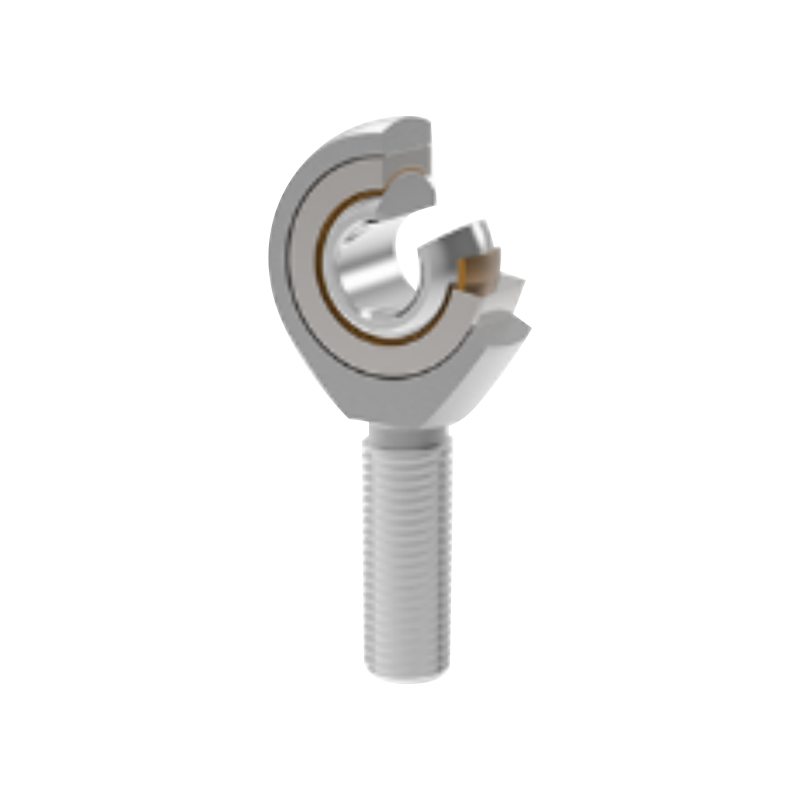
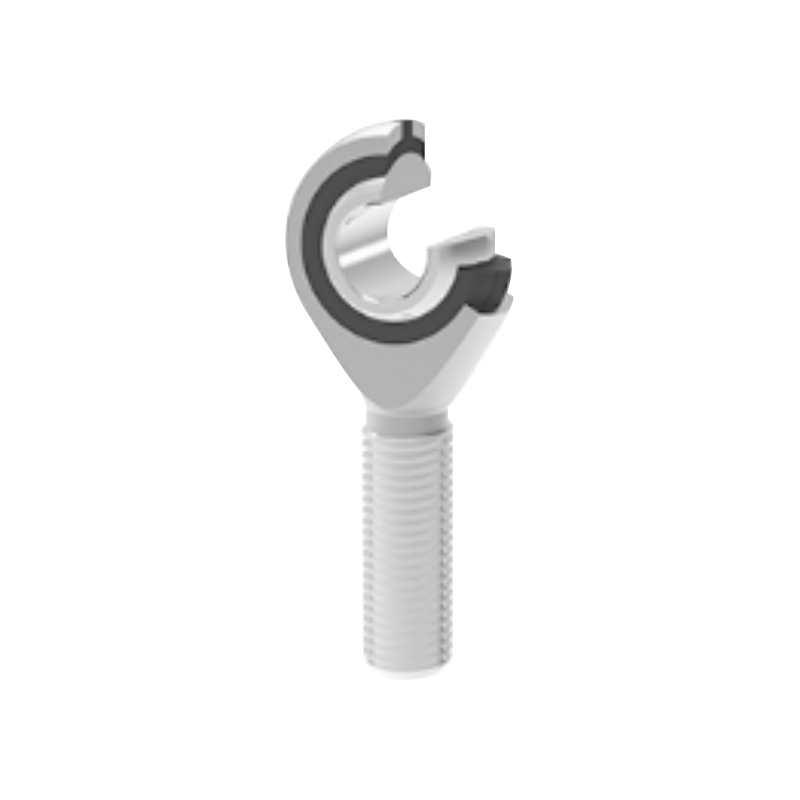
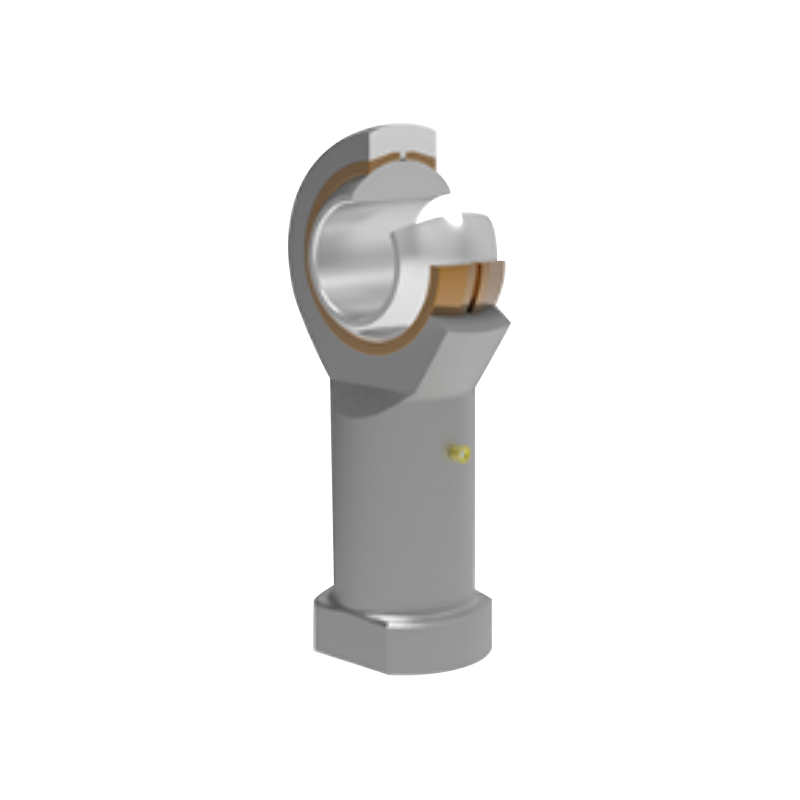
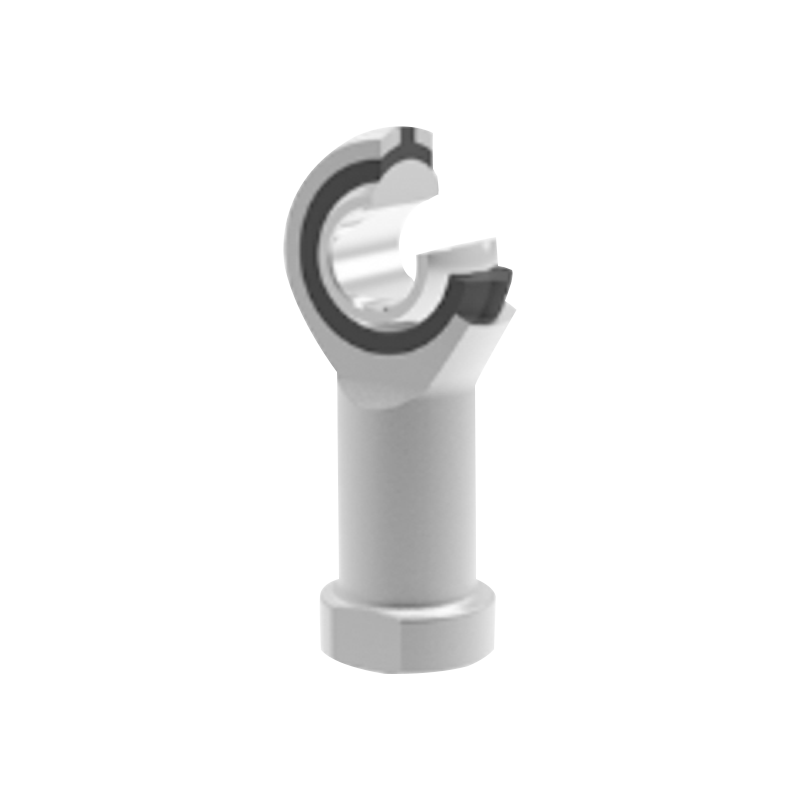
Two principal configurations are available. The SI…C version uses a self-lubricating GE…C spherical plain bearing with a steel and PTFE composite sliding friction pair. The SI…ETL 2RS version uses a GE…ET 2RS self-lubricating spherical plain bearing and incorporates a closed-loop sealing arrangement. These designs serve a broad range of equipment, including robotic mechanisms, automation systems, linkages, packaging machinery, material-handling equipment, and general industrial motion assemblies.
Unlike a basic metal-to-metal rod end that depends on regular external lubrication, the SI series is engineered to reduce maintenance requirements at the bearing interface. Its self-lubricating material system supports smooth relative movement without requiring a conventional grease supply during normal operation. The result is a cleaner, simpler, and more service-friendly component for engineers who need predictable motion and efficient equipment maintenance.
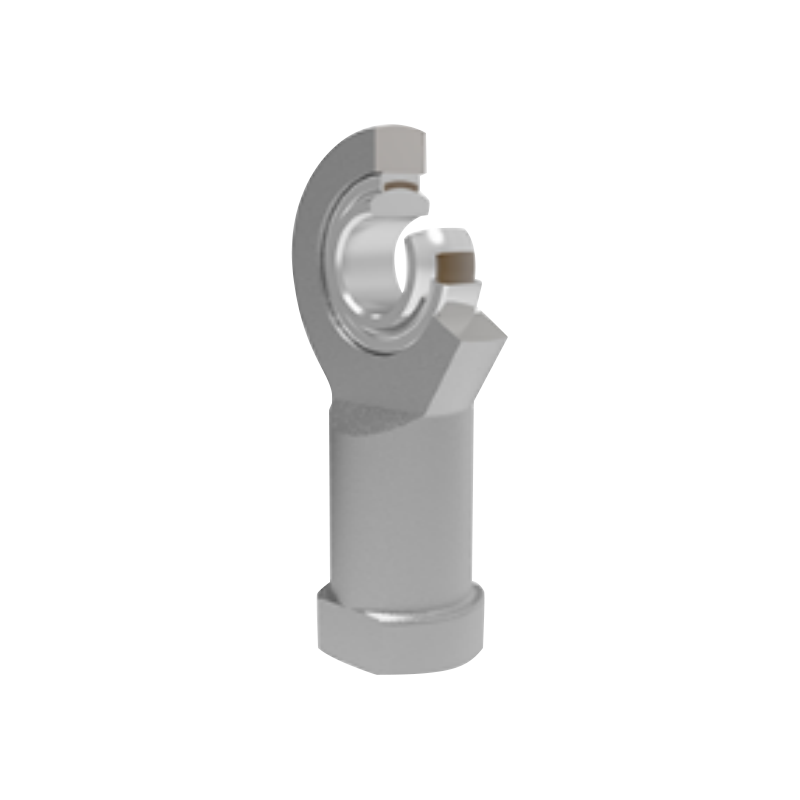
SI Maintenance-Free Rod End Bearing
A rod end bearing combines a threaded rod end housing with a spherical plain bearing. The threaded shank allows the component to be attached to a mechanical rod, actuator, link, or support structure, while the spherical bearing accommodates angular movement between connected components. This arrangement is valuable where two parts do not remain perfectly aligned throughout the operating cycle.
The SI series is an assembled rod end spherical plain bearing. Its rod end body is manufactured from galvanized carbon steel, providing a protective surface against ordinary atmospheric corrosion and contributing to a durable external structure. The internal bearing is a self-lubricating radial spherical plain bearing. This combination allows the bearing to support oscillating and alignment-compensating motion while reducing the need for additional lubrication equipment.
The sliding friction pair is central to the performance of a spherical plain bearing. In the SI…C configuration, the friction pair consists of steel and a PTFE composite material. PTFE-based composite materials are widely used in maintenance-free sliding applications because they offer low friction, good resistance to intermittent motion, and reduced dependence on grease or oil. In the SI…ETL 2RS configuration, the sliding layer is based on steel and PTFE braided fabric, providing a robust self-lubricating interface for larger sizes and demanding environments.
The SI…ETL 2RS series also uses a closed-loop seal design. Sealing helps limit the entry of dust, moisture, and other contaminants into the sliding interface. It also helps retain the internal operating condition of the bearing and provides an additional barrier in applications exposed to dirt, humidity, or industrial debris. This feature makes the sealed configuration particularly suitable for equipment installed in harsh or difficult-to-access locations.
The most obvious advantage of the SI series is the elimination of routine external lubrication under normal application conditions. Conventional rod end bearings may require scheduled greasing, lubrication ports, access space, and a maintenance plan. In compact automation equipment, these requirements can be difficult to satisfy. Some bearings are positioned behind guards, inside robotic joints, or within enclosed mechanisms where service access is limited.
A self-lubricating rod end bearing reduces this burden. Maintenance personnel do not need to arrange frequent grease application at the bearing interface, and machine designers can avoid adding lubrication lines or grease fittings where they are unnecessary. Reduced lubrication requirements can lower service labor, shorten maintenance intervals, and reduce the risk of production interruption caused by neglected lubrication.
Maintenance-free does not mean that the entire surrounding machine is maintenance-free. The rod end should still be inspected for excessive play, damage, corrosion, abnormal noise, and changes in operating temperature. However, the bearing interface itself is designed to operate without the regular application of external lubricant, provided that the load, temperature, speed, and environmental conditions remain within appropriate limits.
The PTFE composite and PTFE braided fabric sliding pairs are intended to provide low-friction movement during oscillation and alignment changes. Rod end bearings frequently work through small angular movements rather than continuous high-speed rotation. In such applications, a suitable sliding material can be more effective than a traditional rolling bearing arrangement.
Low friction helps reduce the force required to move connected parts. This can benefit pneumatic and electric actuators, robotic arms, articulated linkages, and positioning mechanisms. It can also reduce heat generation at the sliding interface, particularly where the bearing experiences repetitive oscillation and limited movement reversal.
Because the friction material is integrated into the spherical plain bearing, the design avoids the need for separate grease reservoirs or frequent lubricant replenishment. This provides a clean operating solution for industries where lubricant contamination is undesirable, including packaging, electronics assembly, laboratory automation, and certain food-processing support mechanisms. Application-specific hygiene and regulatory requirements should always be reviewed separately before installation.
Rigid joints can transmit unwanted bending forces when connected shafts, rods, or frames are not perfectly aligned. A spherical plain bearing allows the inner spherical element to move relative to the housing, compensating for angular changes during installation and operation. This helps the rod end maintain a more favorable load path through the connected mechanism.
The catalog data lists approximate angular movement values for the listed sizes. Depending on the model, the approximate angle is generally within the range of six to fifteen degrees. The actual permitted angle depends on the bearing geometry, surrounding components, clearance, load direction, oscillation pattern, and installation arrangement. Engineers should not assume that the maximum catalog angle is suitable for continuous operation under every load condition.
The sealed SI…ETL 2RS configuration offers an important advantage over open rod end designs in contaminated surroundings. Dust, metal particles, moisture, and process residue can accelerate wear in a sliding bearing. Once contaminants reach the friction surface, they may increase friction, produce abrasive wear, and create a rough or irregular motion profile.
The closed-loop seal helps prevent contamination from entering the internal bearing area. It is especially useful in agricultural machinery, outdoor automation, construction-related mechanisms, material-handling systems, and factory environments where airborne particles are present. Sealing cannot compensate for severe immersion, chemical attack, incorrect cleaning methods, or damaged components, but it provides a valuable first line of protection for general industrial service.
The SI…C series covers nominal bore sizes from approximately 5 mm to 30 mm. The SI…ETL 2RS series extends from approximately 15 mm to 80 mm. This range enables the same general design concept to be applied to small precision linkages as well as larger industrial mechanisms.
Small sizes can be used in compact robotic joints, laboratory equipment, control linkages, and light automation. Larger sealed sizes are appropriate for heavy linkages, lifting mechanisms, industrial actuators, and structural motion systems where higher load ratings and greater mechanical strength are required.
The galvanized carbon steel body provides a practical balance between structural strength, manufacturability, and surface protection. The rod end body must withstand installation forces, thread engagement, mechanical loads, and repeated movement transmitted through the bearing. Galvanizing helps protect the exposed body from ordinary environmental corrosion and improves suitability for general industrial service.
Surface protection is particularly important at the threaded shank and exposed housing areas. Corrosion on these surfaces can make adjustment difficult, compromise installation, and reduce the service life of the assembly. The level of protection required should be evaluated according to humidity, salt exposure, chemicals, cleaning agents, and outdoor conditions.
The SI…C design is intended for applications where a compact, self-lubricating rod end is required and the operating environment is reasonably protected. Its steel/PTFE composite sliding friction pair supports maintenance-free oscillating movement. The stated operating temperature range is approximately 50°C to +150°C, according to the supplied product information. The lower temperature value should be confirmed with the manufacturer because temperature notation in technical documentation may require clarification.
The SI…ETL 2RS design is intended for a wider range of industrial conditions, particularly where contamination protection is important. It uses a steel/PTFE braided fabric sliding friction pair and a closed-loop seal. Its stated operating temperature range is approximately 30°C to +130°C. The sealed arrangement makes this version a strong choice for equipment exposed to airborne dust, humidity, splash, and difficult maintenance access.
In practical product selection, the SI…C model may be preferred when a compact open-style self-lubricating bearing is sufficient, while the SI…ETL 2RS model may be preferred when sealing and environmental protection have a higher priority. Size, load, thread type, oscillation frequency, angular movement, temperature, and installation geometry must be considered together rather than selecting a model based only on bore diameter.
| Feature | SI…C | SI…ETL 2RS |
|---|---|---|
| Basic construction | Galvanized carbon steel rod end with GE…C self-lubricating spherical plain bearing | Galvanized carbon steel rod end with GE…ET 2RS self-lubricating spherical plain bearing |
| Sliding friction pair | Steel/PTFE composite material | Steel/PTFE braided fabric |
| External protection | Standard assembled configuration | Closed-loop sealed design |
| Approximate product range | SI…C, nominal sizes 5 to 30 | SI…ETL 2RS, nominal sizes 15 to 80 |
| Typical advantage | Compact maintenance-free operation | Maintenance-free operation with improved contamination protection |
| Typical applications | Linkages, compact automation, light robotic mechanisms | Industrial actuators, outdoor mechanisms, dusty or humid equipment |
The following values are reproduced from the supplied product information and should be used as preliminary selection data. Catalog entries should be checked against the latest certified drawing before production approval, especially where the source table contains abbreviated, irregular, or incomplete model entries.
| Bearing number | Bore d | Width B | Approximate dynamic load rating | Approximate static load rating | Weight |
|---|---|---|---|---|---|
| SI5C | 5 mm | 6 mm | 3.6 kN | 8.1 kN | 0.023 kg |
| SIEC | 6 mm | 6 mm | 3.6 kN | Catalog value requires confirmation | 0.023 kg |
| SIBC | 8 mm | 8 mm | 5.8 kN | 12.9 kN | 0.040 kg |
| S10C | 10 mm | 9 mm | Catalog value requires confirmation | 17.8 kN | 0.065 kg |
| S12C | 12 mm | 10 mm | 11 kN | 24.5 kN | 0.108 kg |
| S15C | 15 mm | 12 mm | 18 kN | 36 kN | 0.169 kg |
| S17C | 17 mm | 14 mm | 22 kN | 45 kN | 0.235 kg |
| SI20C | 20 mm | 16 mm | 31 kN | 60 kN | 0.335 kg |
| SI25C | 25 mm | 20 mm | 51 kN | 85 kN | 0.665 kg |
| SI30C | 30 mm | 22 mm | 65 kN | 110 kN | 1.05 kg |
| SI40ETL-2RS | 40 mm | 28 mm | 175 kN | 180 kN | 2.05 kg |
| SI45ETL-2RS | 45 mm | 32 mm | 225 kN | 240 kN | 2.72 kg |
| SI50ETL-2RS | 50 mm | 35 mm | 275 kN | 290 kN | 3.48 kg |
| SI60ETL-2RS | 60 mm | 44 mm | 430 kN | 450 kN | 5.55 kg |
| SI70ETL-2RS | 70 mm | 49 mm | 550 kN | 610 kN | 8.72 kg |
| SI80ETL-2RS | 80 mm | 55 mm | 705 kN | 750 kN | 12.9 kg |
The load ratings in the table are expressed in kilonewtons and represent the supplied catalog information. Dynamic and static ratings should not be interpreted as guaranteed operating loads. Actual permissible load depends on load direction, oscillation amplitude, speed, frequency, temperature, lubrication condition, housing strength, thread engagement, and the required service life.
For oscillating applications, engineers should also consider the specific wear behavior of the PTFE friction material. A bearing subjected to a small angle of oscillation may experience different contact conditions from one moving through a large angle. Reversal frequency and dwell time can influence wear, friction, and temperature. A bearing operating near its static load rating may require a different design approach from one carrying a lower load at a high oscillation frequency.
Many competing rod end bearings are based on standard steel-on-steel or metal-on-metal spherical plain bearing arrangements. Such products can provide useful load capacity, but they typically depend more heavily on correct lubrication and regular service. The SI self-lubricating design offers a different value proposition by integrating a low-friction, maintenance-free sliding material into the bearing assembly.
Compared with grease-dependent rod ends, the SI series can reduce the total maintenance burden. There is less need for lubrication fittings, grease storage, lubrication scheduling, and cleaning of excess lubricant. This can be particularly valuable for high-cycle equipment, where each maintenance operation creates an opportunity for production delay or assembly contamination.
Compared with unsealed self-lubricating rod ends, the SI…ETL 2RS configuration offers an additional barrier against external contamination. This can improve consistency in environments where particles or moisture would otherwise reach the sliding interface. The sealed design is not simply a cosmetic variation; it addresses a common source of premature wear in industrial motion equipment.
Compared with ordinary low-cost rod ends, the SI product family provides a broader engineering range. The product data includes small SI…C models and larger SI…ETL 2RS models, multiple thread arrangements, different body dimensions, and optional left-hand thread identification. This makes the series more adaptable to equipment revisions, specialized linkages, and replacement requirements.
Another competitive advantage is the combination of assembled convenience and customization support. Customers can request different pitches or thread precision requirements for special applications. Left-hand thread versions can be identified by adding “L” or “left” after the model number. For example, the supplied information gives the marking format SIL20C M20×1.5left-6H. Correct thread marking is essential in assemblies that use opposing adjustment directions or paired linkage components.
The principal competitive benefit is therefore not a single specification but a system-level improvement. A maintenance-free rod end can simplify machine architecture, reduce service access requirements, improve cleanliness, and support more predictable operation. Selection should still be based on verified performance data, but these advantages can reduce ownership costs over the life of the equipment.
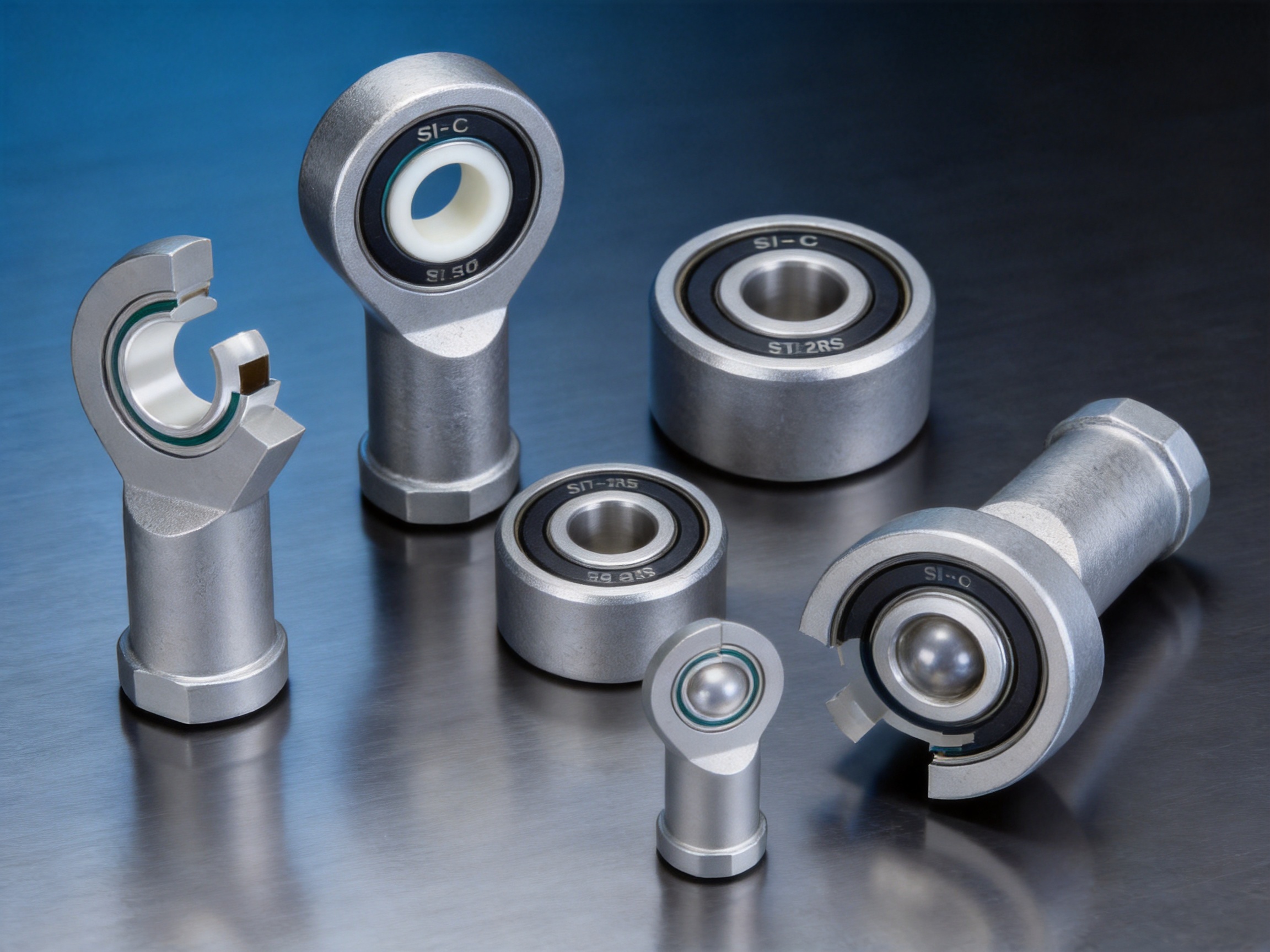
Robotic systems often contain multiple axes, articulated links, grippers, end-effectors, and auxiliary mechanisms. These components may operate continuously for thousands or millions of cycles. A rod end bearing in a robotic linkage must tolerate repeated angular movement while maintaining low play and stable friction.
The SI series is suitable for selected robotic mechanisms where a spherical plain bearing is preferred over a rolling bearing. Self-lubrication can help reduce the risk of lubricant migration near sensors, cables, workpieces, or clean production areas. The sealed SI…ETL 2RS configuration may be useful in welding cells, machining areas, and material-handling environments where dust, metal particles, or process residue are present.
In automated assembly equipment, maintenance access can be limited by guarding, compact layouts, or high production speed. Installing a maintenance-free rod end during the design stage can reduce the number of service points and simplify preventive maintenance. It can also help machine builders offer equipment with longer planned service intervals.
Rod ends are also useful in pneumatic cylinder linkages, electric actuator connections, indexing mechanisms, and adjustable guides. Their ability to accommodate angular movement helps reduce side loading on actuators. However, the designer must ensure that the rod end does not become the unintended guide for a shaft. If excessive lateral load or bending load is transferred through the actuator rod, the actuator and bearing can both suffer premature wear.
Industrial conveyors, packaging machines, textile equipment, agricultural machinery, inspection systems, and lifting mechanisms all use articulated connections. These machines often experience vibration, repeated motion, and variable loads. The SI rod end can provide a compact connection point that supports movement without requiring an external lubrication system.
In packaging machinery, a clean and low-maintenance bearing arrangement is often preferred. Grease can attract dust and may migrate into areas where products or packaging materials are handled. A self-lubricating PTFE-based friction pair can reduce this concern, although the complete machine must still meet the applicable industry and hygiene requirements.
In outdoor equipment, the sealed 2RS design provides useful protection against ordinary environmental exposure. Galvanized external surfaces and sealed internal construction can work together to improve resistance to humidity and contamination. For marine, coastal, chemically aggressive, or continuously wet conditions, additional material and sealing evaluations are necessary.
In adjustable linkages, left-hand thread options can simplify alignment and adjustment. A pair of rod ends with opposing threads can allow the effective length of a connecting rod to be changed without removing the rod from the assembly. Clear marking prevents incorrect installation and improves maintenance safety.
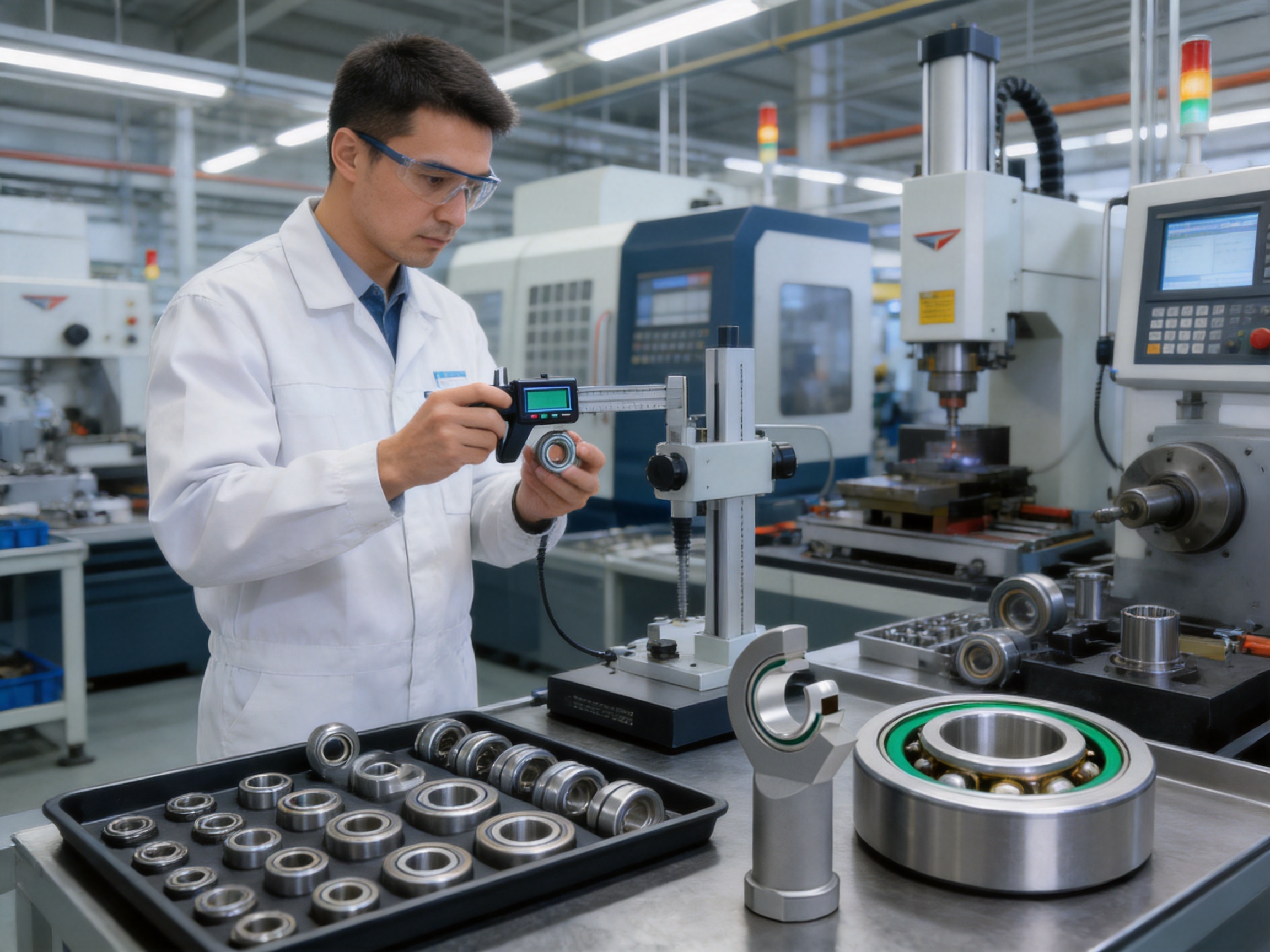
The performance of a rod end bearing depends not only on its design but also on the consistency of its manufacturing process. Thread accuracy, spherical geometry, surface finish, friction-layer bonding, sealing quality, heat treatment, and assembly control all influence service life. An advanced manufacturing program therefore requires coordinated control from raw material preparation through final packaging.
The manufacturer operates production capabilities covering forging, turning, heat treatment, grinding, assembly, and packaging. An integrated process flow can improve production coordination and reduce dependence on disconnected external operations. Each stage contributes to the final performance of the rod end bearing.
Forging can help produce strong and consistent basic shapes for suitable metal components. Turning establishes key diameters, shoulders, thread blanks, and reference surfaces. Heat treatment can improve the strength, hardness, and wear resistance of specified steel parts. Grinding provides tighter dimensional control and improved surface quality where required. Assembly brings together the rod end body, spherical plain bearing, and sealing components under controlled procedures.
Packaging is also part of quality protection. Bearings can be damaged by impact, moisture, contamination, or incorrect identification before they reach the customer. Appropriate packaging, model labeling, and batch traceability help preserve the product condition and reduce the risk of installation errors.
Rod end bearings require close control of mating dimensions. The threaded shank must match the customer’s connection, while the spherical bearing must maintain appropriate internal clearance and angular mobility. Digital production control can assist with process monitoring, inspection records, work-order management, and consistency across different production lines.
Precision control is especially important for customized thread pitches and thread precision requirements. A thread that is dimensionally incorrect can prevent installation, create excessive assembly stress, or produce inaccurate linkage adjustment. For left-hand thread products, correct direction and visible identification are equally important.
Quality engineering should include inspection of thread dimensions, body geometry, bearing fit, seal installation, surface condition, and movement characteristics. Depending on customer requirements, additional checks may include hardness testing, coating inspection, torque testing, load testing, radial clearance measurement, and visual examination under controlled conditions.
The company maintains an R&D capability focused on precision bearing products for CNC machines, robotics, and intelligent automation systems. This technical background supports the development of components where accuracy, repeatability, and compact construction are essential.
Research and development for self-lubricating rod ends involves more than selecting a PTFE material. Engineers must evaluate the interaction between the friction layer, spherical geometry, housing strength, sealing arrangement, applied load, and operating temperature. Product development may also require application testing under representative oscillation cycles rather than relying only on static laboratory measurements.
The manufacturer’s broader product experience includes cross roller bearings, dual-direction thrust angular contact ball bearings, and other industrial bearing types. This wider knowledge base can be useful when customers need assistance selecting a complete bearing arrangement rather than a single isolated component.
OEM and ODM experience enables the manufacturer to support customers with more than standard catalog supply. Custom thread dimensions, pitch variations, precision requirements, packaging, identification, and application-specific configurations can be discussed during the design process.
For equipment manufacturers, this flexibility can reduce the need to redesign a linkage around an unsuitable standard component. It may also help customers consolidate several similar bearing variants into a more controlled product family. Any custom design should be supported by engineering drawings, agreed inspection criteria, sample approval, and documented change control.
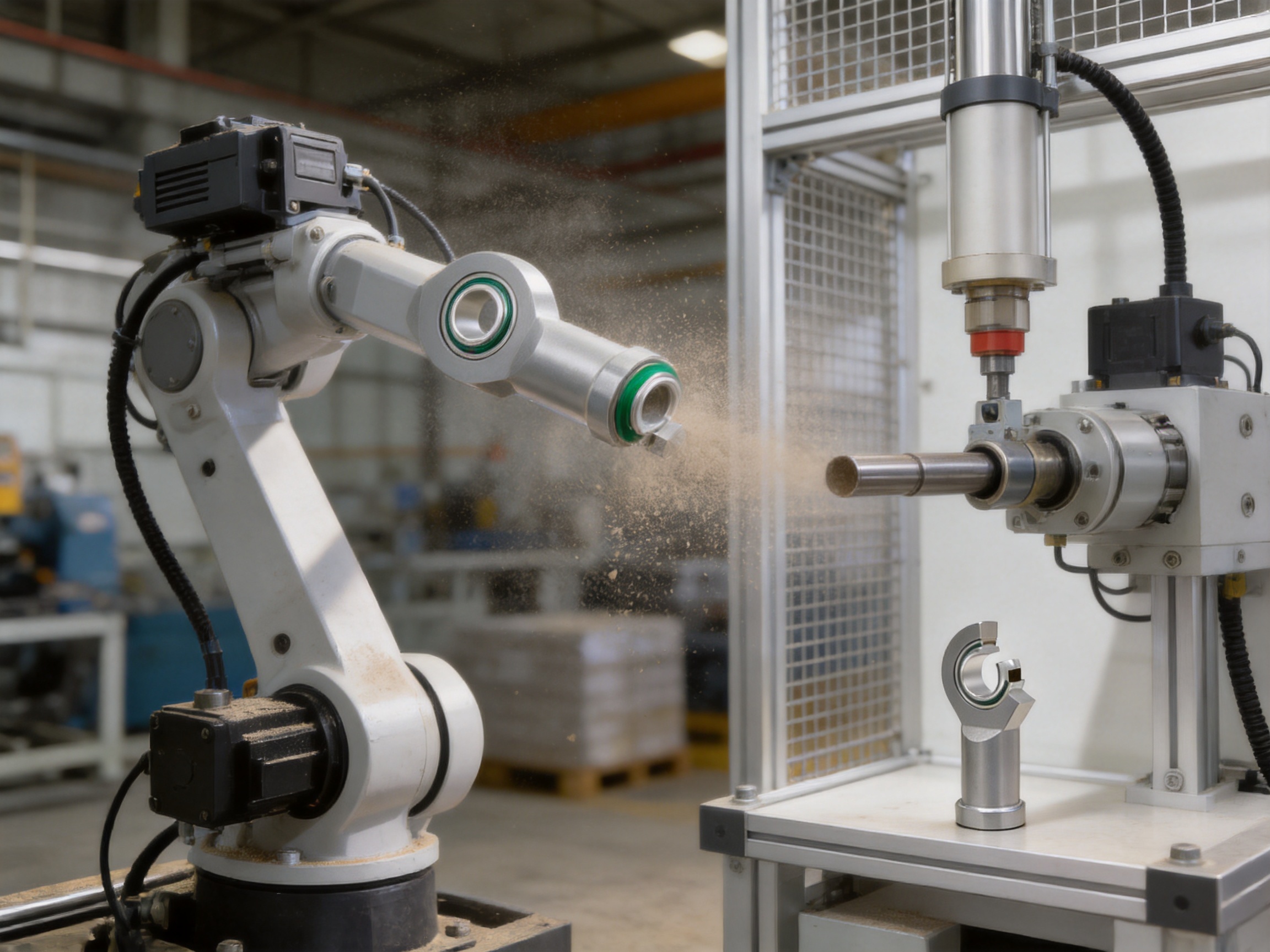
Material selection affects strength, friction, corrosion resistance, temperature capability, and cost. The galvanized carbon steel body provides a durable structural base for many industrial applications. The internal steel and PTFE-based friction pair is selected for self-lubricating operation and reduced friction.
PTFE composite materials are valued for their low friction and sliding behavior, but they are not universally suitable for every load and speed combination. Engineers should evaluate pressure, velocity, pressure-velocity conditions, oscillation amplitude, and heat dissipation. The bearing should not be treated as a generic substitute for a rolling element bearing in high-speed continuous rotation.
The seal material and design must also be compatible with the working environment. Exposure to solvents, cutting fluids, cleaning chemicals, ultraviolet radiation, ozone, or extreme temperatures can affect seal performance. If the bearing is used in a chemically aggressive environment, the customer should request specific compatibility information before approval.
Thread selection is another essential consideration. Metric threads listed in the supplied information include M5, M6, M8, M10, M12, M14, M16, M20×1.5, M24×2, M30×2, M36×3, M39×3, M42×3, M45×3, M52×3, M58×4, M72×4, M80×4, and M84×4, depending on the product configuration. The exact thread associated with each model must be confirmed using the current drawing.
Correct installation is necessary to obtain the expected performance from a maintenance-free rod end bearing. Before installation, confirm the model number, bore size, thread direction, thread pitch, body dimensions, and required angular orientation. Check that the mating rod or stud has clean, undamaged threads and sufficient engagement length.
The bearing should be installed using suitable tools that apply force to the correct structural surfaces. Impacting the spherical bearing, seal, or threaded end can cause hidden damage. If tightening torque is specified for the application, it should be based on the strength of the rod end, the mating material, the thread condition, and the applicable engineering standard.
Alignment should be checked before final tightening. The rod end should not be forced into an angular position that exceeds its permitted movement. Connected components should move freely through the intended range without binding. Any misalignment that is greater than the bearing’s design angle should be corrected through the surrounding structure rather than imposed on the bearing.
When using opposing left-hand and right-hand threads, verify the adjustment direction before commissioning. Marking the left-hand version with “L” or “left” helps reduce assembly mistakes. After installation, operate the mechanism slowly and inspect for interference, unusual friction, noise, or abnormal movement.
Bearing selection should begin with the load case. Determine the radial load, any axial or combined load, shock load, and load direction. Compare the expected operating load with the relevant dynamic and static ratings, while applying suitable safety factors. Static loading is particularly important where the mechanism may remain stationary under a high load or experience impact.
Next, evaluate the motion profile. Important variables include oscillation angle, frequency, stroke, continuous or intermittent duty, reversal frequency, and operating speed. A small-angle oscillating motion may create a different wear pattern from a full rotational movement. If the bearing will operate near the limits of its load or temperature range, application testing is recommended.
Environmental conditions must also be documented. Consider dust, moisture, splash, vibration, salt, chemicals, cleaning procedures, outdoor exposure, and access for inspection. The SI…ETL 2RS sealed version may be preferable where contamination is likely, while the SI…C version may be sufficient in a cleaner, protected assembly.
Temperature should be evaluated at the sliding interface, not only by measuring the surrounding air. Friction, load, speed, and enclosure conditions can cause the bearing temperature to rise above ambient. The stated temperature ranges for the two configurations provide a starting point, but special applications should be verified with the manufacturer.
Service life is influenced by the entire installation. Excessive cantilever distance, poor alignment, inadequate thread engagement, loose mounting, housing deformation, and side loading can shorten life even when the bearing itself is properly manufactured. A well-designed linkage distributes force through the spherical center and prevents unintended bending moments.
The manufacturer serves customers in Europe, Asia, Africa, Russia, North America, and other markets through international production and distribution capabilities. This global orientation supports OEMs, distributors, maintenance departments, and machinery builders that require repeat supply across different regions.
A reported production capacity of approximately 10,000 to 50,000 units per month provides scalability for both standard and project-based requirements. Capacity alone does not guarantee quality, so customers should also review inspection systems, sample approval procedures, traceability, delivery controls, and technical documentation.
The company employs between 201 and 500 people and combines manufacturing, trading, engineering, and international service activities. Its technical service team provides product communication, installation guidance, and after-sales support. This is useful for customers that need assistance with model selection, thread customization, replacement identification, or application review.
For repeat OEM programs, a reliable supplier should be able to establish consistent specifications and communicate changes clearly. Important documents may include product drawings, material information, inspection reports, certificates of conformity, packaging specifications, and agreed acceptance criteria. These controls help ensure that replacement bearings remain interchangeable over the life of the machine.
Although the SI series is designed for maintenance-free operation at the sliding interface, periodic inspection remains good engineering practice. Inspect the rod end body for cracks, deformation, corrosion, and damage around the threaded section. Check the joint for unusual radial play, looseness, rough movement, or noise.
Sealed models should be inspected for cuts, hardening, distortion, or separation of the seal. A damaged seal can allow contamination to reach the friction surface and may significantly reduce the expected service life. If a bearing has been exposed to unusual impact, overload, or extreme temperature, it should be examined before the machine returns to full production.
Do not introduce unapproved grease or oil into a maintenance-free sliding bearing simply because the joint feels stiff. External lubricants may attract abrasive particles or alter the friction behavior of the PTFE material. If abnormal friction occurs, first investigate alignment, load, contamination, seal condition, installation stress, and component damage. Consult the manufacturer when the cause is uncertain.
Replacement should be based on measured wear and application requirements rather than on appearance alone. If the bearing develops excessive play, the connected mechanism may lose accuracy or become unstable. In safety-related equipment, replacement intervals and inspection criteria should be defined through a documented risk assessment.
Machine designers increasingly seek components that reduce service complexity without sacrificing mechanical performance. A self-lubricating rod end supports this objective by combining an adjustable threaded connection, spherical misalignment capability, and a low-friction sliding interface in one compact assembly.
It can reduce the number of lubrication points in the machine, simplify preventive maintenance, and improve cleanliness. It may also enable designers to install the bearing in locations where a grease gun cannot be used safely or conveniently. In automated production, fewer service points can support shorter maintenance shutdowns and more consistent machine availability.
The sealed configuration extends the concept by protecting the internal bearing from ordinary contamination. This can be important in equipment that operates near machining debris, packaging dust, outdoor particles, or process residue. Together, self-lubrication and sealing provide a practical alternative to conventional open, grease-dependent designs.
The value is also visible during equipment design and installation. A preassembled product reduces the number of individual parts that must be sourced and fitted. Standardized model families make replacement planning easier. Custom thread options can help adapt the product to specific mechanical layouts without compromising the basic bearing concept.
It is an assembled rod end spherical plain bearing consisting of a galvanized carbon steel rod end body and a self-lubricating radial spherical plain bearing. The internal PTFE-based friction pair allows relative movement without routine external lubrication during normal service.
The SI…C version uses a steel/PTFE composite sliding friction pair and is intended for compact maintenance-free applications. The SI…ETL 2RS version uses a steel/PTFE braided fabric sliding pair and includes a closed-loop seal for improved protection against contamination.
No. The sliding interface does not normally require external lubrication, but the complete assembly should still be checked for wear, looseness, corrosion, seal damage, abnormal noise, and excessive play. Inspection requirements depend on the machine’s duty and safety classification.
Rod end spherical plain bearings are generally selected for oscillating, aligning, or limited rotational movement. Continuous high-speed rotation may require a different bearing design. The speed, load, temperature, and motion pattern should be reviewed with the manufacturer before approval.
The supplied information states approximately 50°C to +150°C for the SI…C configuration and approximately 30°C to +130°C for the SI…ETL 2RS configuration. Because temperature notation and application conditions can vary, the exact allowable range should be confirmed for the selected model and environment.
Yes. Left-hand thread versions are available by request. The supplied marking guidance recommends adding “L” or “left” after the model number, such as SIL20C M20×1.5left-6H. The exact designation should be confirmed on the approved technical drawing.
Different pitches or thread precision requirements can be discussed for special applications. Custom orders should include a complete drawing, thread standard, tolerance, direction, inspection method, and sample approval procedure.
The SI…ETL 2RS sealed version is generally the more suitable choice because its closed-loop seal helps reduce the entry of dust and other contaminants. The final selection should also consider temperature, chemical exposure, load, oscillation, and cleaning methods.
No. They are catalog load ratings supplied for preliminary reference. The permissible working load must account for safety factors, load direction, shock, oscillation, speed, temperature, mounting strength, and required service life.
Confirm the nominal bore, body dimensions, thread size and pitch, right-hand or left-hand thread direction, sealing requirement, load, movement, environmental conditions, temperature, quantity, packaging, and documentation requirements. A current drawing should be used for final approval.
The SI maintenance-free rod end bearing provides a practical solution for mechanical linkages that require angular movement, low friction, and reduced maintenance. Its galvanized carbon steel body offers a durable structural foundation, while the self-lubricating PTFE-based sliding pairs support operation without routine external lubrication. The SI…ETL 2RS version adds closed-loop sealing for improved contamination protection and expanded industrial usability.
Compared with conventional grease-dependent or unsealed rod ends, the product family can simplify machine design, reduce service points, improve cleanliness, and support reliable operation in challenging locations. Its broad size range, optional thread configurations, left-hand thread availability, and customization capability make it suitable for both standard equipment and specialized OEM projects.
Manufacturing strength is supported by integrated capabilities in forging, turning, heat treatment, grinding, assembly, and packaging, together with precision engineering, digital production control, R&D, and international technical support. These capabilities help the manufacturer serve customers requiring repeatable quality, custom solutions, and dependable global supply.
For the best result, the bearing should be selected according to the complete application rather than by bore size alone. Load, motion, temperature, contamination, alignment, thread engagement, and inspection requirements all influence performance. When these factors are properly evaluated, the SI series can contribute to longer maintenance intervals, cleaner operation, and more dependable industrial motion.
1. Product technical information for SI maintenance-free assembled rod end spherical plain bearings, including dimensions, load ratings, temperature ranges, and customization notes.
2. General engineering principles for spherical plain bearings, self-lubricating sliding materials, oscillating motion, and angular misalignment compensation.
3. Manufacturer process information covering forging, turning, heat treatment, grinding, assembly, packaging, research and development, and OEM/ODM production support.
4. General bearing selection practices for radial load, static load, oscillation, temperature, contamination, installation, and service-life evaluation.
Product Categories
Contact Us

Jane@ukl-bearing.com
Jenny@ukl-bearing.com
Andy@ukl-bearing.com
Ivy@ukl-bearing.com

+86-510- 88763239
+86-15371057968

No.1 Hehuan Road, Hudai Town, Binhu District, Wuxi City.
Ready to Begin?
Get in Touch

Now!
UKL BEARING
 English
 Español
 русский