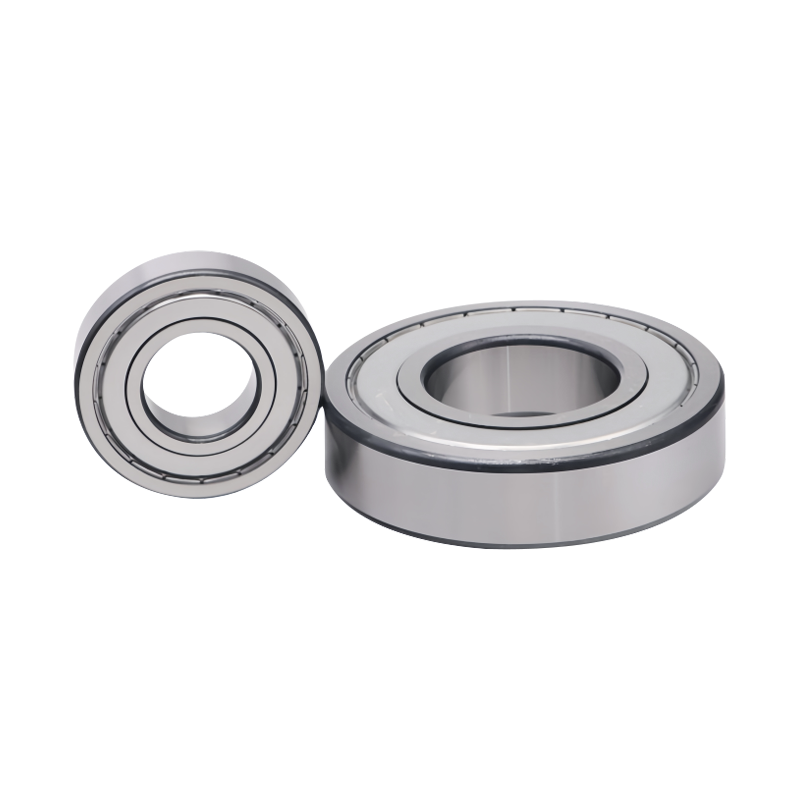
In the ever-evolving field of healthcare, the role of medical equipment bearings is crucial. These small yet essential components ensure that complex medical devices function smoothly, offering precision, reliability, and longevity. From diagnostic machines to surgical robots, medical equipment bearings help maintain the accuracy and efficiency of critical healthcare tools.
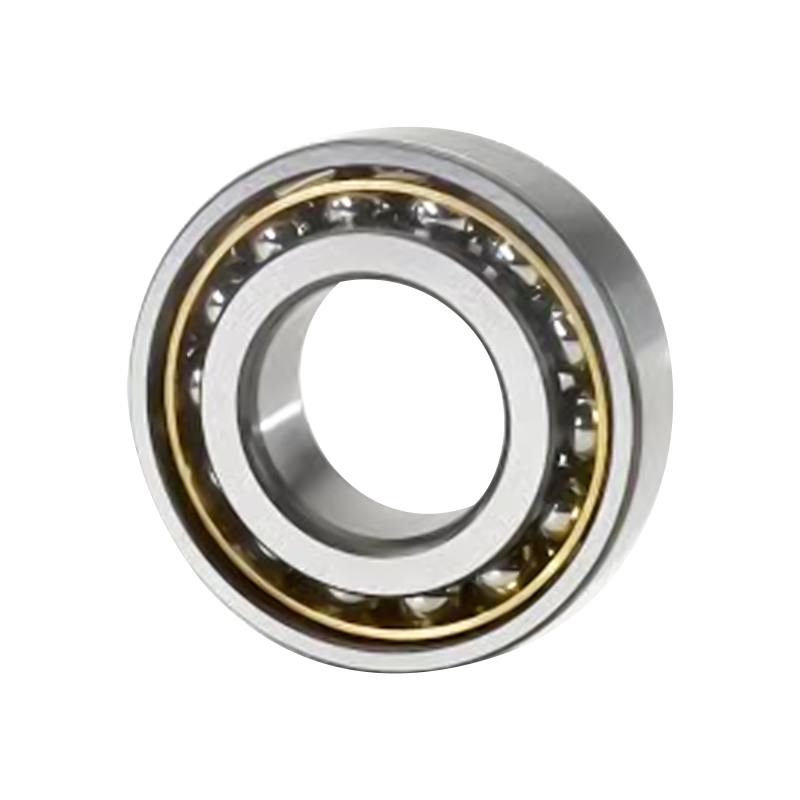
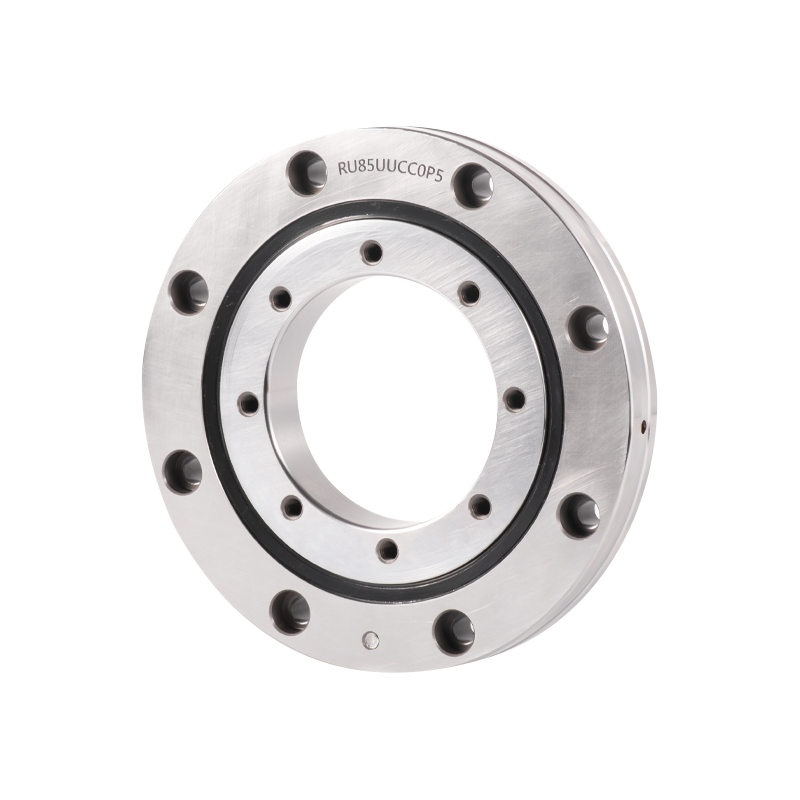
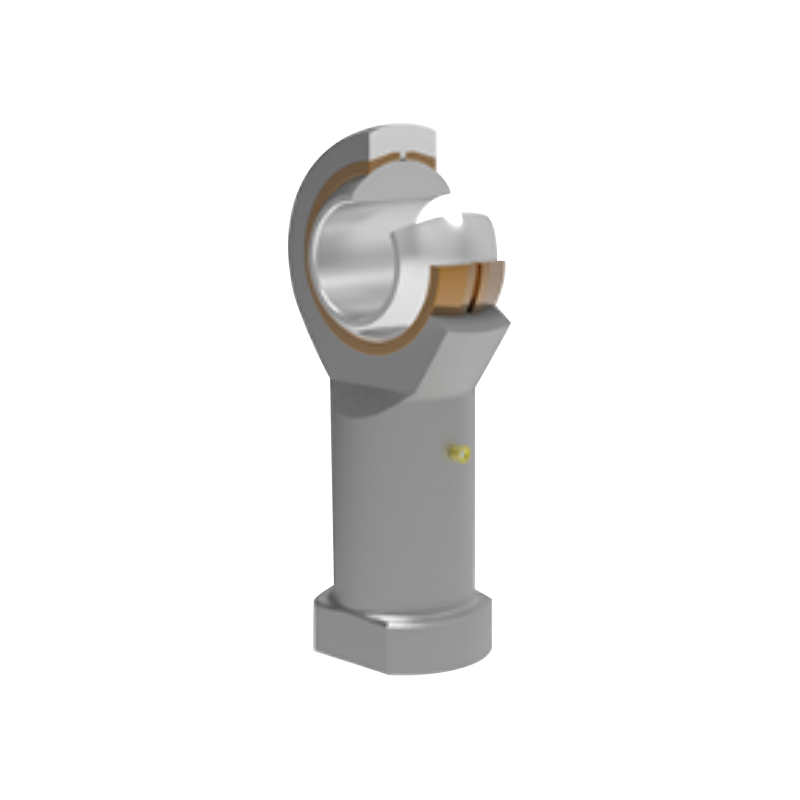
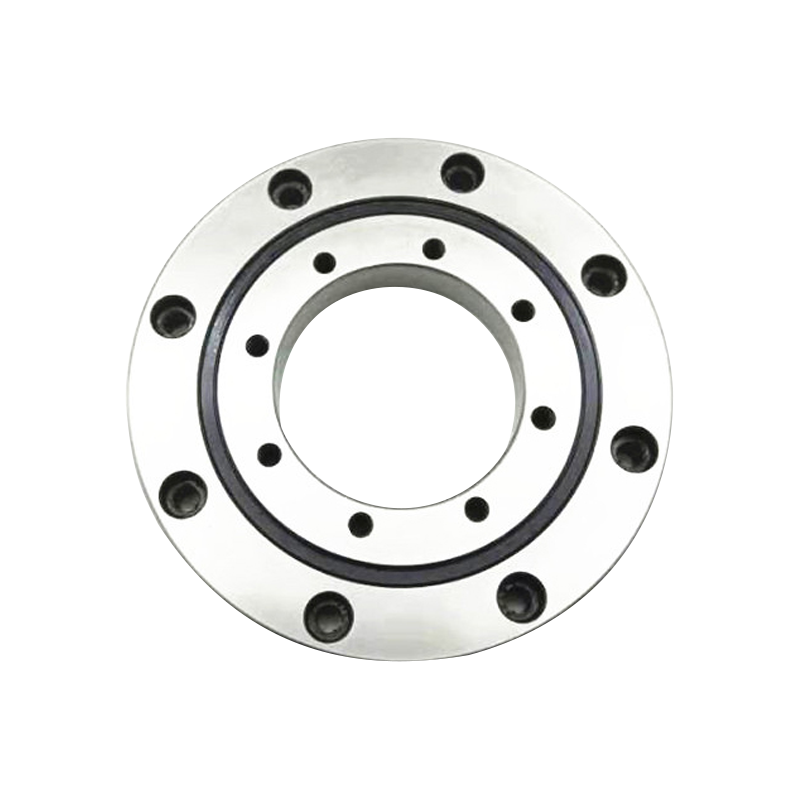
Medical equipment bearings are specialized bearings designed to support the moving parts of medical machinery. Bearings are mechanical components that reduce friction between moving parts, facilitating smooth, controlled motion. In the context of medical equipment, these bearings must meet rigorous standards for precision, reliability, and longevity.
Unlike ordinary industrial bearings, medical equipment bearings are often used in applications that require ultra-high precision, cleanliness, and performance. They must be capable of withstanding harsh operating conditions, such as exposure to heat, humidity, and sterilization processes, while maintaining their operational integrity over long periods.
The importance of medical equipment bearings cannot be overstated. These bearings play a critical role in maintaining the functionality and safety of medical devices. Here’s why they are essential:
Ensuring Precision and Accuracy: Many medical devices, such as imaging machines (MRI, X-ray), robotic surgery tools, and diagnostic equipment, require high-precision movements. Bearings help ensure that these machines operate with minimal deviation, which is vital for accurate diagnosis and successful treatment outcomes.
Increasing Longevity of Medical Equipment: Medical equipment often undergoes heavy use in fast-paced environments like hospitals. Bearings reduce friction and wear, extending the lifespan of the equipment, reducing maintenance costs, and improving the overall cost-effectiveness of medical devices.
Enhancing Safety and Reliability: Medical devices must adhere to strict safety standards. Bearings that meet these standards contribute to the reliability of devices, minimizing the risk of failure during critical procedures or diagnostics.
Supporting Sterilization and Cleanliness: Medical equipment bearings must endure frequent sterilization cycles without degradation. Specialized bearings are designed to withstand high temperatures, chemicals, and other sterilization methods while maintaining their functionality.
Medical equipment bearings are utilized in a wide array of healthcare devices. Their applications are diverse, ranging from imaging systems to surgical equipment. Below are a few examples of where these bearings are used:
Medical equipment bearings must meet specific characteristics to ensure optimal performance in healthcare settings:
| Feature | Description |
|---|---|
| Precision | Bearings must provide high levels of accuracy, ensuring that movements are exact and repeatable. |
| Durability | Medical equipment bearings should endure wear and tear over extended periods, especially in high-use environments. |
| Corrosion Resistance | Bearings must resist corrosion from exposure to bodily fluids, sterilization chemicals, and environmental factors. |
| Biocompatibility | Some medical bearings are designed to be biocompatible to prevent any harmful reactions when in contact with the human body. |
| Temperature Resistance | Medical equipment bearings are designed to withstand the high temperatures involved in sterilization processes. |
Advancements in materials and manufacturing processes have led to the development of high-performance medical equipment bearings. Here are some key innovations:
UKL Bearing Manufacturing Co., Ltd. is a leading supplier of high-precision bearings, including those used in medical equipment. The company specializes in manufacturing bearings that meet the stringent demands of healthcare devices, ensuring performance, reliability, and safety. UKL focuses on precision engineering, with an in-house R&D team dedicated to innovating new bearing solutions tailored for medical applications.
With a fully modernized production facility and a team of over 200 professionals, UKL’s bearings are trusted by industries worldwide. The company’s commitment to sustainability ensures that their manufacturing processes minimize environmental impact while providing high-performance products for global healthcare industries.
Sustainability and Responsibility in Bearing Manufacturing
As the demand for medical equipment bearings grows, so does the need for sustainable production practices. UKL adopts environmentally responsible processes, promoting material recycling, reducing energy usage, and using eco-friendly technologies. The company is also committed to supporting educational and technical training initiatives, helping to foster the next generation of engineers in the bearing industry.
At UKL Bearing Manufacturing Co., Ltd., we take pride in our commitment to precision. In a recent video, we showcased our staff’s high-precision machining process for bearing components. The video highlights the intricate steps involved in transforming rough bearing blanks into the core precision parts that meet the highest industry standards.
Using advanced machinery and expert craftsmanship, our technicians meticulously grind and polish each part to achieve the exact specifications required for medical equipment bearings. This process ensures that the bearings not only perform efficiently but also stand the test of time in demanding medical environments.
Manufacturing medical equipment bearings comes with its own set of challenges. The need for precision is paramount, and even a small deviation can compromise the functionality of medical devices. Additionally, the bearings must be capable of withstanding sterilization processes, which can vary depending on the device and medical setting. Achieving the perfect balance between durability, reliability, and precision is crucial to ensuring the optimal performance of medical equipment.
1. What are medical equipment bearings?
Medical equipment bearings are mechanical components used in healthcare devices to reduce friction and enable precise, reliable movement.
2. Why are medical equipment bearings important in healthcare?
They ensure that medical devices operate smoothly, accurately, and safely, contributing to better patient outcomes and longer equipment lifespan.
3. How do medical equipment bearings differ from industrial bearings?
Medical equipment bearings are designed to meet stricter standards for precision, durability, and biocompatibility, making them suitable for use in critical healthcare settings.
4. What materials are used in medical equipment bearings?
Common materials include stainless steel, ceramics, and hybrid materials, chosen for their durability, corrosion resistance, and ability to withstand sterilization processes.
5. Can medical equipment bearings be used in all healthcare devices?
While they are commonly used in imaging equipment, surgical robots, and dental tools, different medical applications require different types of bearings to meet specific needs.
Medical equipment bearings are indispensable components in ensuring the accuracy, durability, and reliability of healthcare devices. By reducing friction and wear, these bearings help extend the lifespan of critical medical machinery, ultimately contributing to the safety and well-being of patients. As the healthcare industry continues to evolve, the role of precision bearings will remain crucial to the performance and advancement of medical technologies.
Product Categories
Contact Us

Jane@ukl-bearing.com
Jenny@ukl-bearing.com
Andy@ukl-bearing.com
Ivy@ukl-bearing.com

+86-510- 88763239
+86-15371057968

No.1 Hehuan Road, Hudai Town, Binhu District, Wuxi City.
Ready to Begin?
Get in Touch

Now!
UKL BEARING
 English
 Español
 русский