
 English
 Español
 русский


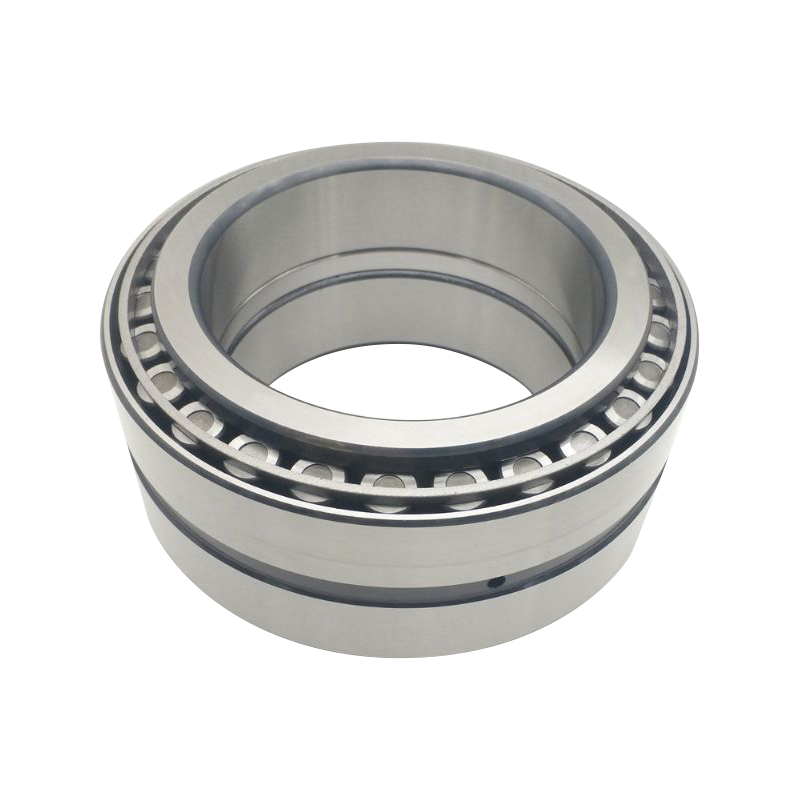



7308 vs 7306 Bearing Selection Guide: How to Choose the Right Angular Contact Ball Bearing for Your Application
Selecting the right angular contact ball bearing is a critical step in achieving reliable equipment performance, long service life, and stable operating accuracy. Among the most commonly used single-row angular contact bearings, the 7308 bearing and 7306 bearing are widely applied across industrial equipment, machine tools, electric motors, pumps, and automated production systems. Although both belong to the same bearing series and share similar structural characteristics, their dimensions, load-carrying capabilities, operating characteristics, and suitable applications differ significantly. Understanding these differences allows engineers and purchasing professionals to make informed decisions based on actual working conditions rather than selecting solely by bearing size.
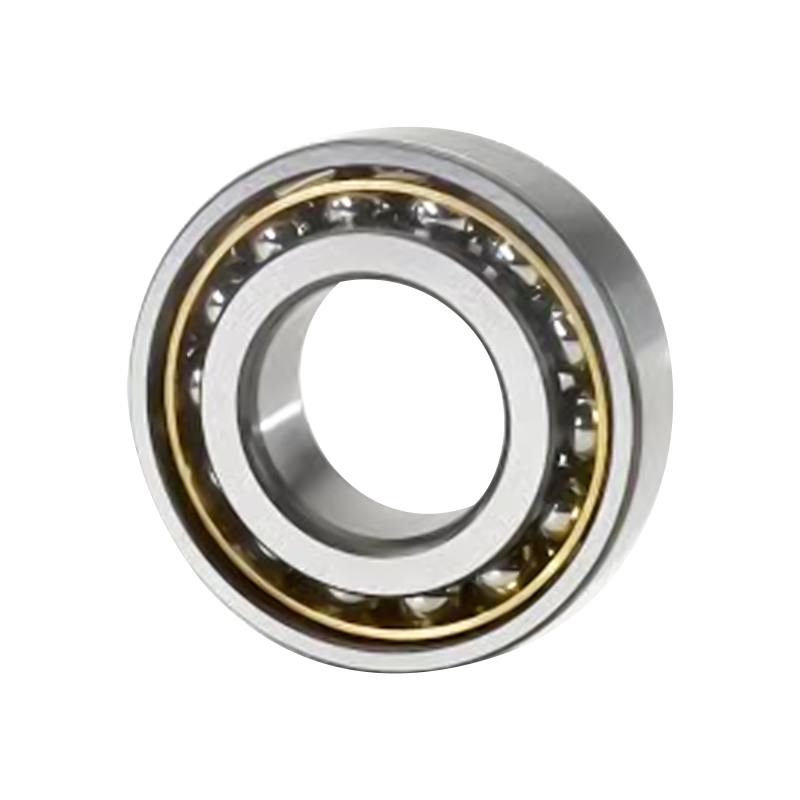
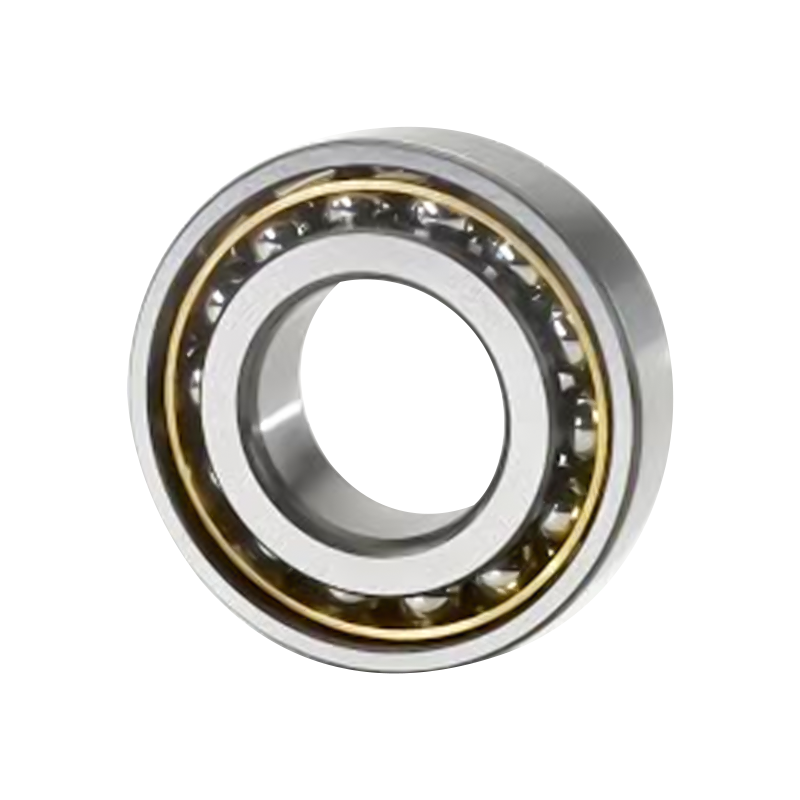
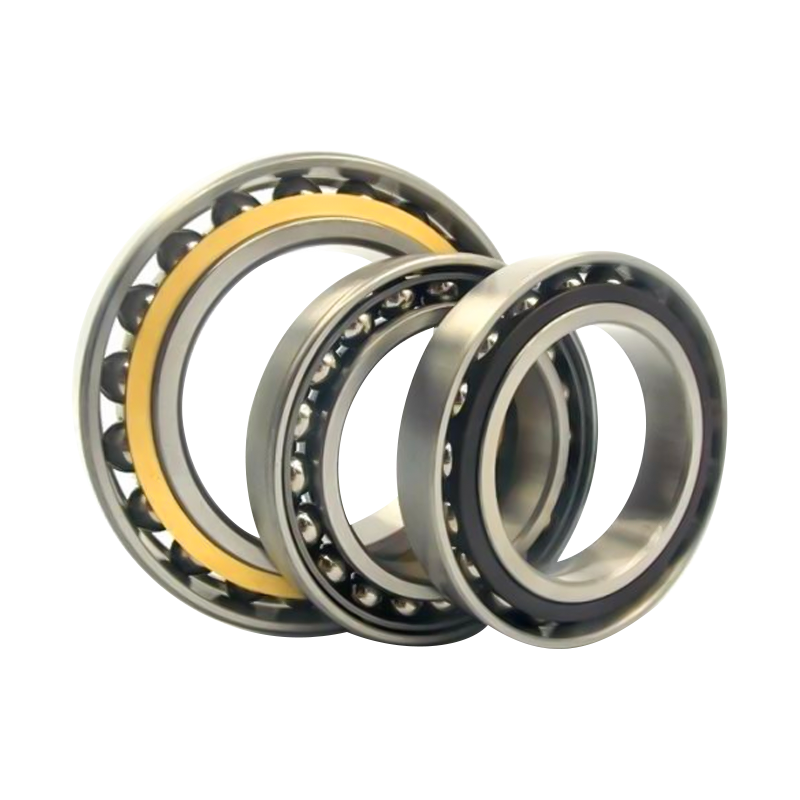
Angular contact ball bearings are specifically designed to support combined radial and axial loads simultaneously. Their contact angle enables higher axial load capacity compared with deep groove ball bearings while maintaining excellent rotational accuracy and rigidity.
Understanding the Core Differences Between 7306 Bearing and 7308 Bearing
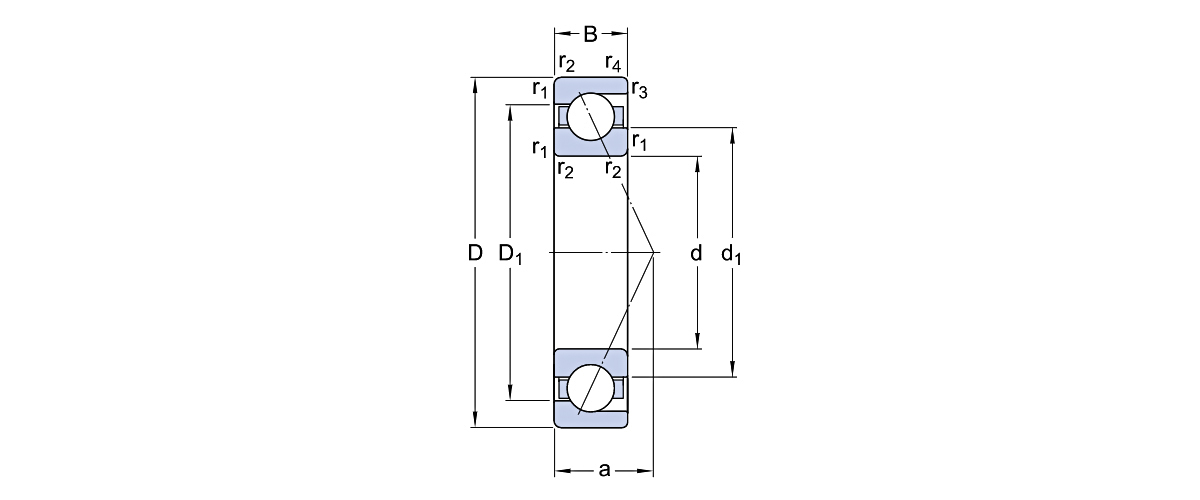
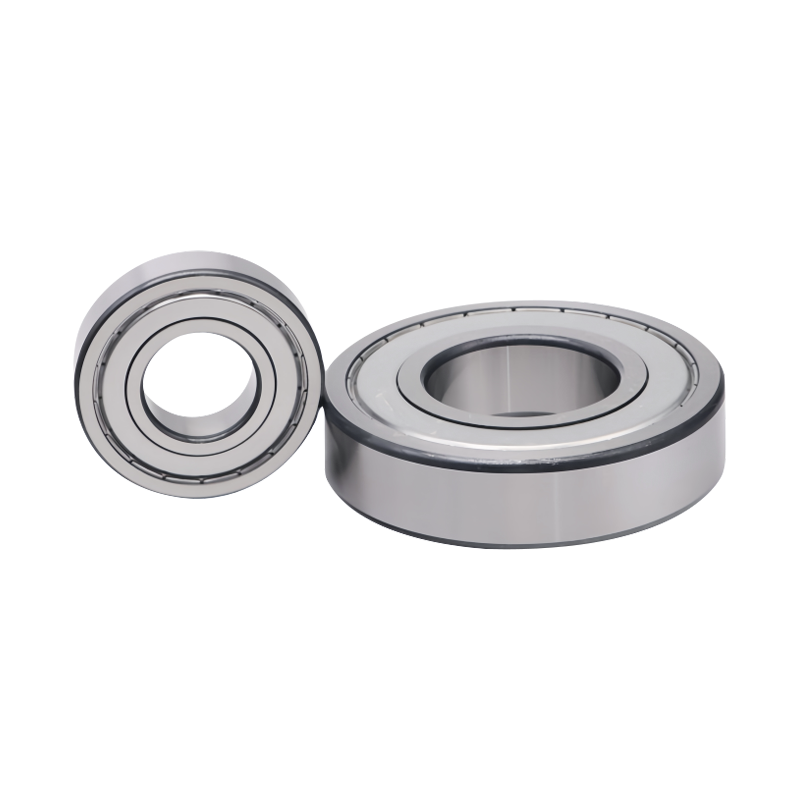
Although the 7306 bearing and 7308 bearing share the same design principle, the increase in bearing size directly influences load capacity, stiffness, weight, and installation requirements. Engineers should evaluate these factors together instead of considering dimensions alone.
| Comparison Item | 7306 Bearing | 7308 Bearing |
|---|---|---|
| Typical Bore Size | Smaller | Larger |
| Outside Diameter | More Compact | Larger Housing Required |
| Load Capacity | Moderate Combined Load | Higher Combined Load |
| Speed Capability | Better for High-Speed Applications | Better for Heavy Load Applications |
| Installation Space | Limited Spaces | Larger Equipment |
| Typical Equipment | Electric Motors, Robotics, Precision Devices | Machine Tools, Pumps, Agricultural Machinery |
The larger rolling elements and raceway geometry of a 7308 bearing generally provide higher load capacity and improved structural rigidity. Conversely, the 7306 bearing is often selected where compact installation, lower inertia, and higher rotational speed are priorities.
Rather than asking which bearing is better, the more practical question is which bearing better matches the operating conditions.
The Influence of Contact Angle on Bearing Performance
Besides dimensional differences, contact angle plays an equally important role in bearing selection. Angular contact ball bearings are commonly available in different contact angle configurations, including 15°, 25°, and 40°, each optimized for different operating requirements.
Bearings with smaller contact angles generally perform better at higher rotational speeds because they generate lower axial force during operation. Larger contact angles improve axial load carrying capability and increase overall bearing rigidity, making them more suitable for heavy-duty equipment subjected to substantial axial forces.
When comparing models such as 7306 BEP vs 7306 BECBP bearing, the primary distinction lies in cage design and internal configuration rather than basic dimensions. Different cage materials and guidance methods influence lubrication performance, vibration characteristics, and operating stability under varying speed conditions. Understanding these design differences helps engineers select the appropriate configuration for continuous industrial service.
Selecting the proper contact angle should always be based on shaft speed, axial load direction, preload requirements, and equipment precision rather than following a single standard configuration.
Application-Oriented Selection
Every industrial application imposes different operating demands on bearings. Matching the bearing to the actual working environment is more effective than selecting based only on catalog specifications.
The 7306 bearing is commonly used where rotational speed and positioning accuracy are priorities. Typical applications include electric motors, automation equipment, robotics, textile machinery, and compact transmission systems. In many cases, a 7306 bearing in electric motor applications provides an excellent balance between efficiency, stability, and service life.
The precision bearing 7306 for robotics is also widely selected because robotic joints require smooth motion, minimal vibration, and consistent positioning accuracy under continuously changing loads.
The 7308 bearing, on the other hand, is better suited for applications requiring higher rigidity and increased load capacity. Heavy-duty pumps, reducers, industrial gearboxes, agricultural equipment, and machining centers frequently utilize larger bearings to accommodate greater combined loads.
For high-precision machining equipment, the 7308 bearing for machine tool spindle is often selected because its higher stiffness contributes to improved cutting accuracy and enhanced spindle stability. Similarly, the high speed angular contact ball bearing 7308 can perform efficiently when properly lubricated and installed with suitable preload.
Comparing Performance Characteristics
Selecting between the two bearings should involve evaluating several operational factors simultaneously.
| Selection Factor | 7306 Bearing | 7308 Bearing |
|---|---|---|
| High-Speed Rotation | Excellent | Good |
| Axial Load Resistance | Good | Excellent |
| Radial Load Capacity | Moderate | Higher |
| Structural Rigidity | Good | Higher |
| Precision Positioning | Excellent | Excellent |
| Heavy Industrial Equipment | Suitable | Highly Suitable |
No single bearing performs best under every condition. Equipment operating at extremely high rotational speeds often benefits from smaller bearing sizes, while heavy industrial machinery generally requires increased load capacity and rigidity.
Practical Bearing Selection Considerations
Bearing selection should begin with evaluating actual operating conditions rather than comparing catalog specifications alone.
First, determine the available installation space. Larger bearings cannot simply replace smaller models without verifying shaft dimensions, housing tolerances, and assembly clearances.
Second, estimate both radial and axial loads. Bearings operating under significant axial force require appropriate contact angle selection in addition to adequate load capacity.
Third, consider operating speed. Higher rotational speeds generate additional heat and demand greater lubrication performance. Bearings selected beyond their recommended speed limits may experience premature wear.
Fourth, evaluate system rigidity requirements. Equipment such as machining centers and precision positioning systems often benefits from higher bearing stiffness to minimize shaft deflection.
Finally, consider maintenance requirements throughout the equipment life cycle. Proper lubrication, contamination control, preload adjustment, and installation accuracy significantly influence bearing longevity regardless of bearing size.
For example, proper 7306 bearing preload adjustment helps eliminate excessive internal clearance while preventing overheating caused by excessive preload. Likewise, understanding how to install 7308 angular contact bearing correctly—including mounting orientation, preload control, and shaft alignment—is essential for achieving designed service life.
Common Bearing Selection Mistakes
Several common misconceptions often lead to premature bearing failure or reduced equipment performance.
One common mistake is assuming that a larger bearing automatically performs better. While the 7308 bearing provides higher load capacity, unnecessary oversizing may increase friction, operating temperature, and energy consumption.
Another mistake is focusing exclusively on 7308 bearing dimensions without considering shaft stiffness, lubrication conditions, or bearing arrangement. Dimensions alone cannot determine application suitability.
Some engineers also overlook preload settings. Improper preload can increase vibration, reduce rotational accuracy, and accelerate raceway fatigue.
Ignoring lubrication quality is another frequent issue. Even premium bearings may fail prematurely if lubrication intervals, grease selection, or contamination control are neglected.
Understanding common failure modes of 7308 bearing, including surface fatigue, lubrication starvation, contamination wear, overheating, and installation damage, helps maintenance personnel identify potential problems before severe equipment failure occurs.
Precision Manufacturing Supports Reliable Bearing Performance
Reliable bearing performance depends not only on proper selection but also on manufacturing quality and process consistency.
UKL Bearing Manufacturing Co., Ltd. (Wuxi) is an integrated industrial and trading enterprise specializing in precision bearing manufacturing, combining research and development, production, and global sales. As a professional bearing factory and bearing manufacturing company in China, UKL focuses on delivering high-performance bearing solutions for industries requiring exceptional precision and long-term reliability.
With more than 200 experienced professionals and a fully modernized manufacturing base, UKL manages the complete production process, including forging, annealing, turning, heat treatment, grinding, and automated assembly. This comprehensive manufacturing capability supports consistent product quality while meeting the demanding requirements of modern industrial applications.
Whether customers are evaluating 7308 bearing suppliers or comparing 7306 bearing suppliers, selecting a manufacturer with comprehensive production capabilities, strict quality control, and technical support can significantly improve equipment reliability and long-term operating performance.
FAQ
1. What is the primary difference between a 7306 bearing and a 7308 bearing?
The main differences are bearing dimensions, load capacity, stiffness, and installation space. The 7308 bearing generally supports higher loads, while the 7306 bearing is better suited for compact and high-speed applications.
2. Is a 7308 bearing always better than a 7306 bearing?
No. The appropriate choice depends on operating conditions, including available space, shaft size, rotational speed, axial load, and required precision.
3. Can a 7306 bearing be used in electric motors?
Yes. A 7306 bearing in electric motor applications is commonly used because it provides excellent rotational accuracy, stable operation, and efficient performance under moderate combined loads.
4. What factors should be considered when replacing a 7308 bearing?
Replacement should consider 7308 bearing cross reference, shaft and housing dimensions, load requirements, contact angle, lubrication method, preload settings, and operating speed to ensure compatibility.
5. How can bearing service life be extended?
Proper installation, accurate preload adjustment, appropriate lubrication, contamination prevention, regular inspection, and selecting the correct bearing model for the operating conditions are the most effective ways to maximize bearing service life.


