Content
Modern robotic systems demand more than simple rotational support. Their bearings must operate within compact assemblies, transmit substantial loads, maintain repeatable positioning accuracy, and withstand continuous cycles of acceleration, deceleration, vibration, and reversing motion. Harmonic reducers are especially demanding because their performance depends on the coordinated movement of a wave generator, flexspline, and circular spline. Any weakness in the bearing arrangement can affect torque transmission, backlash, stiffness, service life, and the overall precision of the robotic axis.
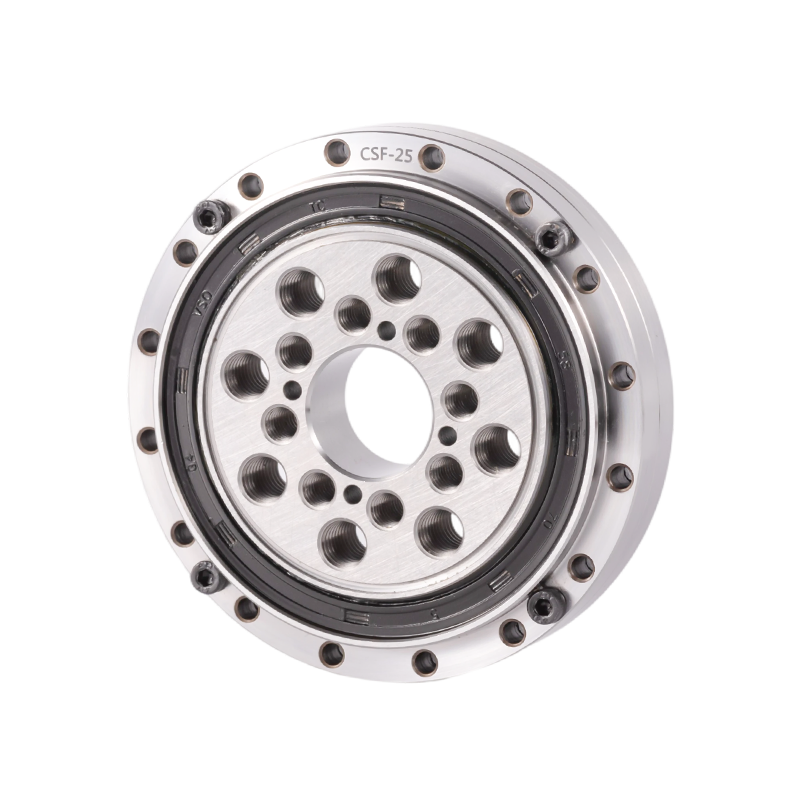
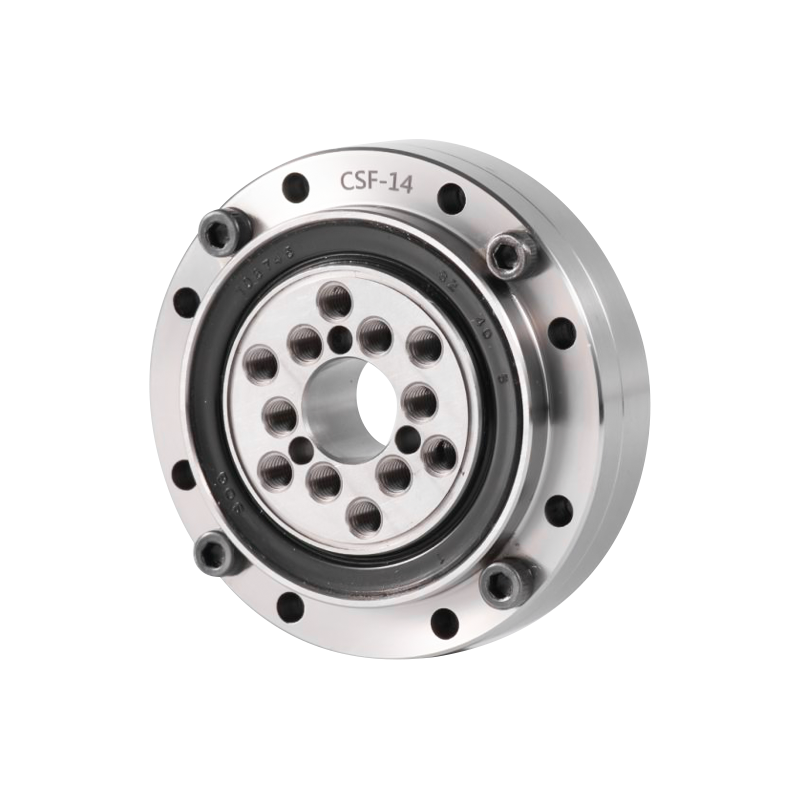
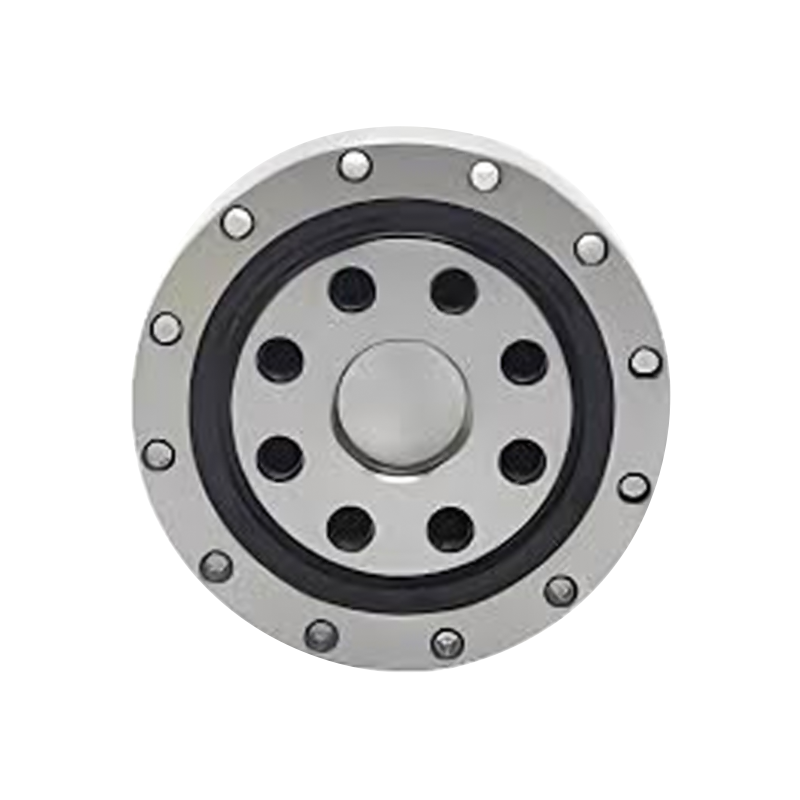
The CSD harmonic reducer bearing is engineered for this demanding environment. Developed for the output section of CSD-series harmonic reducers, it combines an integrated outer ring and inner ring with a compact cross-sectional structure. Its one-piece ring design provides higher strength than comparable CSG-type components while retaining the same general outer-diameter class. The result is a bearing solution intended for robotic joints, automation equipment, aerospace mechanisms, medical devices, and other high-precision motion-control applications.
Manufactured by UKL Bearing Manufacturing Co., Ltd., the CSD series reflects an engineering approach that combines product-specific design, precision production, international OEM/ODM experience, and integrated manufacturing capabilities. The company operates across research and development, forging, turning, heat treatment, grinding, assembly, inspection, packaging, and global distribution. This integrated structure enables closer control of material quality, geometry, accuracy, and delivery consistency than a purely trading-oriented supply model.
CSD Robot Harmonic Reducers Bearing
A harmonic reducer is a compact precision transmission device that converts high-speed input rotation into controlled, high-torque output motion. It is widely used in robot joints because it can provide a high reduction ratio within a small package. The reducer also offers low backlash, high positioning accuracy, and a coaxial arrangement that simplifies the mechanical design of robotic arms and automated machinery.
The bearing in the output section is not merely a supporting accessory. It helps maintain the geometric relationship between the reducer housing and the output flange. It must carry radial loads, axial loads, and overturning moments generated when a robot arm extends, lifts, rotates, or changes direction. It must also preserve the alignment of the transmission elements during repeated motion.
When a robot moves a payload, the output bearing may experience loads from several directions at the same time. A vertical arm can generate a large overturning moment. A horizontal arm can impose radial force and bending stress. Fast changes in direction can create dynamic loads and vibration. In addition, the bearing may be exposed to operating temperatures, contamination risks, lubrication effects, and installation stresses.
For these reasons, a harmonic reducer bearing requires a carefully balanced combination of radial capacity, axial capacity, rigidity, rotational accuracy, compactness, and mounting flexibility. A bearing with high load capacity but excessive size may not fit inside the joint. A compact bearing with insufficient stiffness may permit deflection that reduces positioning accuracy. A low-friction bearing with poor mounting strength may not withstand repeated industrial duty.
The CSD type is designed specifically around these requirements. Rather than adapting a general-purpose bearing to a harmonic reducer, the CSD structure is configured as a dedicated component for the reducer output section. This application-oriented design supports efficient integration and helps reduce the need for additional structural elements.
The defining characteristic of the CSD type is its integrated outer ring and inner ring structure. Each ring is formed as a one-piece component rather than being assembled from multiple structural sections. This construction improves the continuity of the load-bearing paths and contributes to the strength and rigidity required in a robotic reducer.
An integrated ring can offer several practical benefits. First, it reduces the number of interfaces within the bearing structure. Every additional interface can introduce tolerance accumulation, local deformation, or assembly sensitivity. A one-piece ring minimizes these concerns and provides a more stable reference for raceway geometry and mounting surfaces.
Second, the integrated design supports a compact reducer layout. In robotic joints, the available space is limited by the size of the arm, the motor, cable routing, covers, seals, and adjacent transmission components. A bearing that performs multiple structural functions can help reduce the total number of parts and simplify the surrounding housing.
Third, the integrated rings contribute to higher structural strength compared with the corresponding CSG-type components described for this product family. The CSD type uses the same outer-diameter class as the CSG type while offering increased strength. This is valuable when the reducer must withstand high overturning moments or repeated dynamic loading without sacrificing the compact envelope required by a robot joint.
The one-piece structure can also assist assembly accuracy. When the bearing is installed into a reducer housing and connected to an output flange, the mounting faces and hole patterns must align correctly. A stable ring structure helps preserve the dimensional relationships that support accurate installation and reduce the possibility of uneven loading.
Compactness is one of the most important requirements in modern robotics. Designers want smaller joints because smaller joints reduce arm inertia, improve acceleration, lower energy consumption, and make it easier to reach confined workspaces. At the same time, the bearing must carry the forces created by the robot’s payload and movement.
The CSD bearing addresses this balance through a compact load-bearing structure. Its outside diameter is designed for integration with CSD harmonic reducers, while its ring construction provides the strength needed by the output section. The design avoids adding unnecessary material or external mechanisms that could increase joint size.
A compact bearing can improve robotic performance in several ways. Lower joint mass allows the motor to spend more of its available torque on useful motion rather than on accelerating the joint structure itself. Reduced inertia can support shorter cycle times and smoother changes in speed. A smaller joint may also improve the robot’s ability to work around fixtures, tools, and other machinery.
Compactness also supports system-level design. A smaller reducer assembly creates more room for wiring, brakes, encoders, lubrication channels, and thermal management. In collaborative robots and medical equipment, a compact outer profile can make the machine easier to protect, handle, and integrate into a human-oriented environment.
However, compactness must not be confused with minimal material or reduced performance. A properly designed compact bearing uses geometry, raceway arrangement, material selection, heat treatment, manufacturing accuracy, and load distribution to obtain a favorable strength-to-size ratio. The CSD series is intended to provide that balance for precision reducer applications.
Robot bearings used in harmonic reducers are commonly exposed to combined loads. The basic dynamic load rating, static load rating, ring strength, mounting arrangement, and operating conditions all influence the practical load capability of the complete assembly. The CSD series is offered in several sizes, with basic dynamic load ratings from 4.7 kN to 34.8 kN and basic static load ratings from 6.7 kN to 60.2 kN, depending on the model.
The CSD-14 is the smallest listed model, with a basic dynamic load rating of 4.7 kN and a basic static load rating of 6.7 kN. At the other end of the range, the CSD-50 provides a basic dynamic load rating of 34.8 kN and a basic static load rating of 60.2 kN. Intermediate models allow equipment designers to select a bearing according to reducer size, load conditions, available space, and required service life.
Load ratings are not a substitute for application analysis. The actual bearing life depends on load magnitude, load direction, speed, duty cycle, lubrication, mounting accuracy, operating temperature, contamination, and impact conditions. Nevertheless, the published ratings provide a valuable starting point for preliminary sizing and comparison.
Rigidity is equally important. A robot axis can meet its nominal position command while the output flange deflects under load. This deflection can create tool-center-point errors, especially when the arm is extended. A rigid output bearing helps maintain the position of the flange and limits unwanted movement between the reducer and the robot structure.
The CSD’s integrated rings support a stable load path through the bearing. The mounting hole arrangements on both rings allow the component to be firmly connected to the reducer housing and output-side structure. Properly designed mounting surfaces and controlled fastening procedures are essential to obtain the intended stiffness from the bearing.
Backlash is the amount of unintended movement that can occur when the direction of applied torque changes. In a harmonic reducer, low backlash is one of the main reasons for selecting the technology. The bearing must therefore support the reducer without introducing avoidable clearance, tilting, or deformation that could undermine the transmission’s precision.
The CSD type is developed to support the low-backlash characteristics expected from harmonic drive systems. Its precision-manufactured raceways, integrated ring structure, and application-specific mounting pattern help maintain a consistent relationship between the reducer housing and output flange.
Low backlash is particularly important in welding robots, dispensing equipment, semiconductor machinery, inspection systems, and assembly robots. In these applications, a small angular error can create a visible defect, an inaccurate placement, or a failed inspection. In medical equipment, repeatability and smooth movement are equally important because unexpected motion can affect safety and treatment quality.
Backlash performance depends on the complete reducer assembly. The bearing, gear elements, housing, fasteners, lubrication, and installation process all contribute to final accuracy. Consequently, the CSD bearing should be installed with appropriate fit, surface flatness, cleanliness, torque control, and alignment. When these factors are managed correctly, the bearing can help the harmonic reducer preserve its intended precision.
Precision bearing manufacturing requires control at every stage. A high-quality raceway cannot be achieved by grinding alone if the raw material has inconsistent composition or if earlier turning operations introduce excessive distortion. Similarly, accurate mounting holes are not sufficient if the ring faces are not flat or if heat treatment causes unacceptable dimensional change.
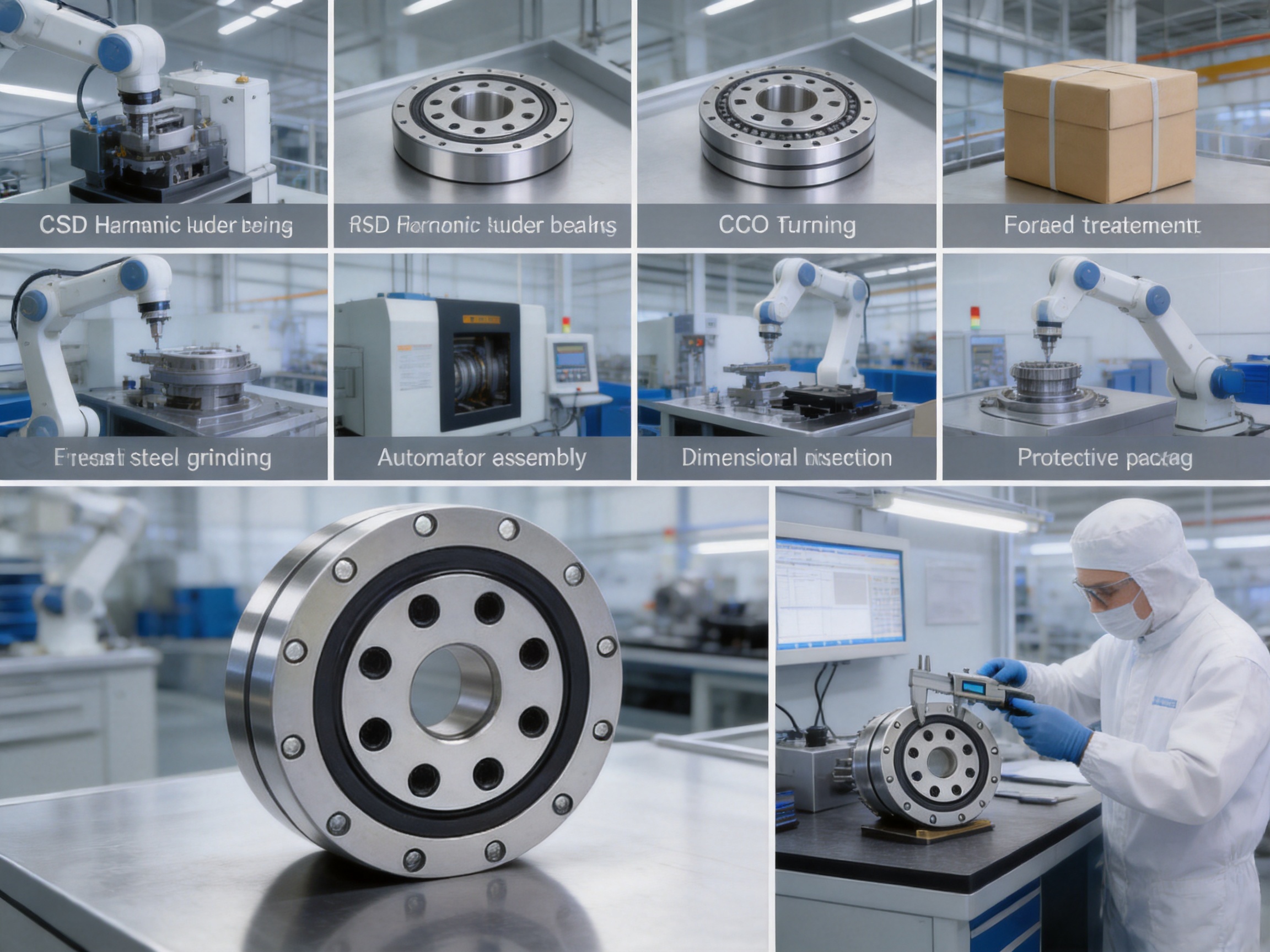
UKL’s manufacturing structure covers multiple key processes. These include forging, turning, heat treatment, grinding, assembly, and packaging. Coordinating these operations within an integrated production system helps create a clearer chain of responsibility from raw material preparation to final delivery.
Forging can provide a strong initial material structure and efficient material utilization. Turning establishes the basic ring geometry and prepares surfaces for subsequent operations. Heat treatment develops the required hardness and internal structure for wear resistance and load support. Grinding then refines raceways, faces, diameters, and other critical surfaces to the required precision.
Assembly requires careful control of cleanliness, component matching, lubricant application, seal orientation where applicable, and final rotation quality. Packaging protects the finished bearing from moisture, dust, impact, and handling damage before installation by the customer.
Precision manufacturing is not limited to a single numerical tolerance. It includes repeatability between production batches, consistency among different sizes, stable process capability, and effective inspection. For OEM and ODM customers, this consistency is essential because the bearing becomes part of a larger machine that may be manufactured in significant quantities.
UKL also maintains a dedicated research and development capability. Its product development activities include high-precision cross roller bearings, dual-direction thrust angular contact ball bearings, and other specialized bearing products used in CNC equipment, robotics, and intelligent automation. This product knowledge supports the development of application-specific solutions rather than relying only on standard catalog designs.
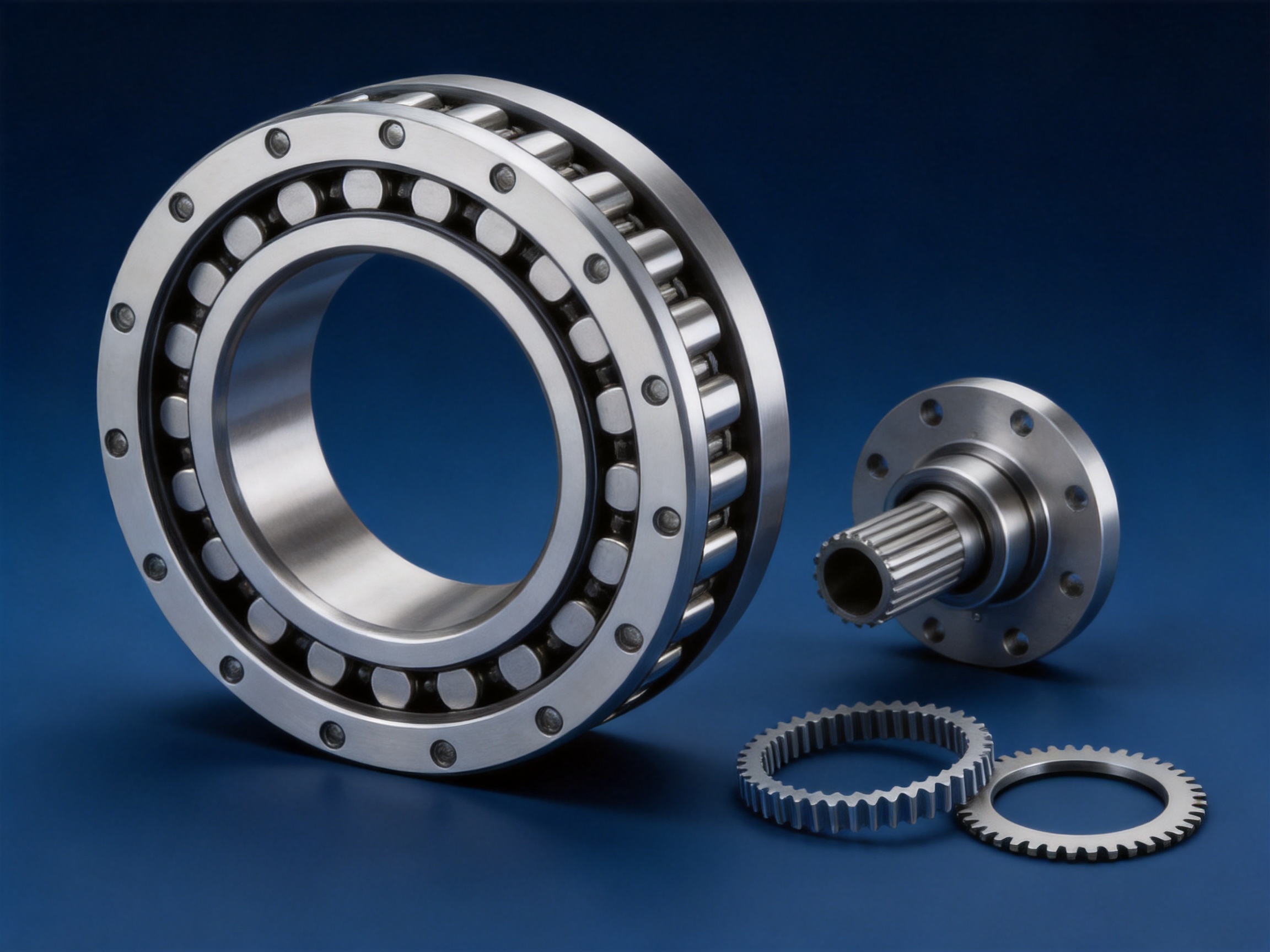
The CSD series includes six listed models: CSD-14, CSD-17, CSD-20, CSD-25, CSD-32, CSD-40, and CSD-50. The model number generally indicates the reducer size family rather than a simple bearing bore dimension. Customers should verify all dimensions, hole patterns, load ratings, and installation conditions with the relevant technical drawing before ordering.
| Model | Overall D1 (mm) | Overall D2 (mm) | Outer Diameter D (mm) | Height H (mm) | Dynamic Rating CR (kN) | Static Rating COR (kN) | Weight (kg) |
|---|---|---|---|---|---|---|---|
| CSD-14 | 12 | 11 | 55 | 16.6 | 4.7 | 6.7 | 0.24 |
| CSD-17 | 14 | 11 | 62 | 16.6 | 5.3 | 7.5 | 0.30 |
| CSD-20 | 18 | 16 | 70 | 18.3 | 5.8 | 9.0 | 0.42 |
| CSD-25 | 24 | 20 | 85 | 23.4 | 9.6 | 15.1 | 0.80 |
| CSD-32 | 32 | 30 | 112 | 24.5 | 15.0 | 25.0 | 1.40 |
| CSD-40 | 36 | 32 | 126 | 29.1 | 21.3 | 36.5 | 2.10 |
| CSD-50 | 48 | 44 | 157 | 34.0 | 34.8 | 60.2 | 3.80 |
The table provides a general overview of the listed range. As model size increases, the outside diameter, height, load capacity, and weight also increase. This progression allows designers to choose a bearing appropriate for both mechanical loading and available installation space.
The CSD-14 and CSD-17 are suitable starting points for compact robot joints, small positioning axes, lightweight handling equipment, and laboratory automation. The CSD-20 and CSD-25 provide greater load capability for medium-size robotic mechanisms and industrial automation modules. The CSD-32, CSD-40, and CSD-50 are intended for larger reducer assemblies that require greater static and dynamic load ratings.
Model selection should consider the maximum payload rather than the average payload alone. The designer should calculate the radial force, axial force, moment load, acceleration load, emergency-stop load, and any shock load. The most severe operating condition should be compared with the bearing’s permissible limits and the reducer manufacturer’s recommendations.
The CSD series incorporates dedicated mounting-hole patterns on the outer and inner rings. These patterns are central to its role as a harmonic reducer bearing because the bearing must connect directly with the reducer housing and output structure.
Depending on the model, the outer-ring mounting arrangement includes through-holes such as 6-φ3.5, 10-φ3.5, 12-φ3.5, 18-φ3.5, 18-φ4.5, 18-φ5.5, or 22-φ6.6. The inner-ring arrangements include threaded holes with different thread sizes and depths. The detailed hole-count and pitch-circle information varies by model.
This integrated mounting approach can simplify reducer architecture. Instead of requiring a separate adapter plate for every connection, the bearing can be designed into the reducer assembly from the beginning. Fewer interface parts may reduce total assembly height and limit the accumulation of dimensional tolerances.
Mounting holes also make service and replacement more convenient when the surrounding structure is designed appropriately. A bearing that can be removed through a planned fastening arrangement may reduce maintenance time and limit the need to dismantle the entire robot joint.
Installation quality remains critical. The mating surfaces should be clean, flat, and free of burrs. Fasteners should be tightened in the specified sequence and to the recommended torque. Uneven fastening can distort the rings and create localized raceway loading. Designers should also verify screw engagement depth, clearance around the fastener heads, and compatibility between the mounting material and bearing ring.
The CSD type offers several advantages over general-purpose bearings that are not designed specifically for harmonic reducer integration. A conventional bearing may provide adequate rotation support, but it may require separate flanges, adapters, spacers, or structural rings. These additional parts can increase package size, assembly time, weight, and tolerance stack-up.
The CSD’s integrated ring construction helps address these issues by combining bearing functionality with reducer-oriented mounting geometry. This does not mean that every application should automatically replace another bearing type. Instead, it means that the CSD is especially well matched to applications where compactness, mounting efficiency, stiffness, and precision are priorities.
Compared with a weaker component in the same general size class, the CSD type provides a higher-strength alternative to the CSG type while maintaining the same outer-diameter class. This can give designers more load capability without forcing a complete increase in the external diameter of the reducer. Maintaining a compact diameter is important in robotic arms because it influences joint interference, arm inertia, and available workspace.
Compared with a less precise bearing, the CSD’s manufacturing focus supports more consistent raceway geometry and mounting relationships. This can help reduce unwanted motion and support the low-backlash behavior expected from the harmonic reducer. Precision does not eliminate the need for proper installation, but it gives the system a stronger foundation for repeatable movement.
Compared with a purely standard catalog bearing, the CSD also offers a more application-focused platform. The product family is organized around reducer sizes and mounting interfaces, allowing engineers to evaluate the bearing as part of a motion-control assembly rather than as an isolated component.
Another advantage is the availability of multiple sizes. A manufacturer using several robot platforms may be able to standardize its bearing source while selecting different CSD models for small, medium, and larger joints. This can simplify supplier management, technical communication, and spare-parts planning.
Industrial robots commonly perform millions of repeated movements over their service life. Their joints must support rapid acceleration, smooth deceleration, frequent reversals, and variable payload conditions. The output bearing must maintain alignment even when the arm is extended and the payload creates a large moment.
The CSD series is suitable for robot joint reducers where compact size, high torque transmission, low backlash, and structural stability are required. It can be applied in articulated robots, pick-and-place equipment, welding systems, painting systems, assembly robots, palletizing machines, and automated inspection platforms.
In articulated robots, a bearing may be installed in the base, shoulder, elbow, wrist, or tool axis. Larger models can support high-load joints, while smaller models can be used in compact wrist mechanisms or lightweight collaborative systems. The appropriate selection depends on the payload, reach, speed, duty cycle, and required accuracy.
In collaborative robots, joint size and smooth operation are especially important. Smaller, lighter joints can help reduce mechanical inertia and improve interaction behavior. The CSD’s compact structure can support a clean joint design, although the final collaborative safety performance must be evaluated at the complete robot-system level.
In automated assembly, repeatable positioning is essential. The robot may insert, screw, press, dispense, or inspect components with tolerances measured in fractions of a millimeter. A stiff, low-backlash reducer support can help preserve the programmed position and reduce variation caused by output deflection.
In welding and material-handling applications, the load may change substantially as the robot picks up or releases workpieces. The bearing must tolerate both the normal operating load and transient loading caused by rapid motion. The CSD’s range of basic load ratings enables system designers to select a size appropriate for the expected forces.
Although the CSD series is primarily associated with harmonic reducers and robot bearings, its design principles are applicable to other precision motion-control systems. Aerospace mechanisms may require compact, high-strength rotational support where space and weight are limited. The CSD structure can be considered for suitable non-flight-critical mechanisms after detailed qualification and environmental testing.
Medical equipment often requires smooth, quiet, and precise movement. Imaging systems, robotic surgical mechanisms, laboratory automation, and patient-positioning equipment may use compact reducer assemblies. In these applications, designers must additionally consider cleanability, lubrication compatibility, noise, reliability, and any applicable regulatory requirements.
Industrial automation equipment can benefit from the same characteristics. Automated indexing systems, semiconductor handling devices, machine-tool accessories, camera positioning units, and precision stages may need a bearing that provides accurate rotation within a limited envelope.
In intelligent manufacturing systems, equipment is increasingly connected, monitored, and optimized through sensors and software. Mechanical consistency becomes important because sensor data and motion commands are only useful when the physical axis responds predictably. A precision bearing helps establish the mechanical stability required for effective control.
Application suitability must always be confirmed through engineering analysis. Factors such as vacuum, clean-room operation, radiation, extreme temperature, corrosive atmosphere, high-speed rotation, and special lubrication may require modified materials or customized configurations. UKL’s OEM/ODM experience can support discussions concerning nonstandard requirements.

UKL Bearing Manufacturing Co., Ltd. was established in 2020 and operates as an integrated manufacturer and trader serving customers in multiple international markets. The company reports a workforce of approximately 201 to 500 employees and more than 15 years of OEM/ODM export experience within its broader operational background.
The company’s manufacturing and distribution activities serve customers in Europe, Asia, Africa, Russia, North America, and other regions. Its reported export markets include the United States, Italy, Germany, Poland, South Africa, Egypt, and India. This international exposure gives the company experience with different customer specifications, packaging requirements, documentation expectations, and delivery arrangements.
UKL reports a production capacity of approximately 10,000 to 50,000 units per month. Capacity is important for customers that need more than prototypes or occasional replacement parts. A stable production system can support regular OEM supply, planned inventory, and repeat orders across different product sizes.
The company’s factory includes production lines covering forging, turning, heat treatment, grinding, assembly, and packaging. This breadth is a significant strength because bearing quality depends on the interaction of these processes. When key operations are coordinated under one manufacturing structure, process feedback can be implemented more efficiently.
For example, dimensional information from grinding can be used to improve earlier turning or heat-treatment controls. Assembly feedback can identify opportunities to improve component cleanliness, matching, or packaging protection. Such feedback loops support continuous improvement rather than treating each operation as an isolated activity.
UKL also maintains a research and development team focused on high-precision products. In addition to robot bearings, the company develops cross roller bearings, dual-direction thrust angular contact ball bearings, and other specialized products. This broader technical portfolio is useful because many automation systems use several bearing types in the same machine.
As an OEM/ODM supplier, UKL can work with customers on model adaptation, dimensional requirements, packaging, branding, and application-specific development. The exact scope of customization should be confirmed for each project, including minimum order quantities, testing requirements, lead times, drawings, and quality documentation.
Reliability begins with a design that matches the application. The bearing must be selected according to actual forces, speeds, environment, and duty cycle. It must then be manufactured consistently and installed correctly. UKL’s integrated production model is intended to support this chain from design through delivery.
Material control is important because bearing rings experience repeated rolling contact and high localized stress. Heat treatment must create an appropriate hardness and internal structure without producing excessive distortion or cracking. Grinding must deliver a smooth, accurate raceway capable of supporting rolling elements under repeated load.
Assembly quality affects running performance. Contamination, incorrect lubricant quantity, seal damage, or improper component matching can reduce service life even when the basic ring dimensions are correct. A disciplined assembly and inspection process is therefore essential.
Packaging is also part of product quality. Bearings can be damaged by corrosion, impact, or contamination during storage and transport. Proper packaging helps preserve the condition achieved during manufacturing until the customer is ready to install the component.
UKL’s multilingual service team provides technical response, installation guidance, and after-sales maintenance support for customers in different regions. For international customers, communication quality is particularly important. Clear drawings, model confirmation, inspection records, installation instructions, and troubleshooting support can prevent misunderstandings and reduce project delays.
Customers evaluating the CSD series should request the documentation appropriate to their application. This may include product drawings, dimensional tolerances, material information, load-rating definitions, lubrication recommendations, inspection standards, packaging details, and quality certificates where required.
Before installation, inspect the bearing and surrounding components for damage, corrosion, dirt, burrs, and dimensional incompatibility. Do not remove protective packaging until the bearing is ready to be installed. Keep the work area clean and avoid placing the bearing directly on contaminated surfaces.
Check the reducer housing and output flange for flatness, concentricity, and correct hole positions. Mounting surfaces should be free from paint buildup, chips, raised edges, and foreign particles. Even small irregularities can distort a precision bearing when the bolts are tightened.
Use the recommended fastener grade and confirm that the screw length provides sufficient engagement without entering too deeply into the bearing or adjacent structure. Tighten fasteners gradually in a crosswise or staged sequence so that the ring seats evenly.
Do not apply installation force through the rolling elements. Pressing or striking the wrong ring can transmit excessive force through the raceway and cause brinelling or other damage. Use appropriate fixtures and support the ring being fitted.
After installation, rotate the assembly by hand where possible. Check for abnormal resistance, roughness, noise, binding, or uneven torque. Verify that the reducer output rotates smoothly through its operating range and that the mounting bolts remain correctly secured.
Lubrication should follow the bearing and harmonic reducer manufacturer’s recommendations. Too little lubricant can increase wear and temperature, while too much can increase drag and heat generation. Lubricant compatibility with seals, materials, operating temperature, and service interval should be confirmed in advance.
Model selection should begin with the mechanical envelope. Determine the available outer diameter, total height, mounting-hole pattern, inner-ring connection, and clearance for adjacent parts. The selected model must fit not only the drawing but also the actual assembly tolerances and service access requirements.
Next, calculate the bearing loads. Include the payload, robot-arm weight, tool weight, acceleration, deceleration, gravity, external forces, and overturning moment. Consider the most unfavorable arm posture because a horizontal or extended arm can produce much greater moment loading than a retracted posture.
Then evaluate speed and duty cycle. A robot that operates continuously at high speed may generate more heat and fatigue damage than a robot that moves slowly for only a few cycles per hour. Reversing motion, emergency stops, impact, and vibration should be included in the analysis.
Static safety is important when the robot is stopped under load or when an external force is applied. The static load rating should be compared with the maximum stationary or shock load. Dynamic life calculations should use the actual equivalent load and expected operating hours rather than relying only on nominal payload.
Finally, confirm environmental requirements. Temperature, humidity, dust, cleaning chemicals, vacuum, radiation, and clean-room conditions may affect material and lubrication choices. If the standard CSD configuration does not meet the environment, discuss possible modifications with the manufacturer before finalizing the design.
The service life of a harmonic reducer bearing depends on operating conditions and maintenance discipline. Regular inspection can identify problems before they become failures. Operators should monitor abnormal noise, increased friction, rising temperature, vibration, backlash, and changes in positioning accuracy.
A change in robot accuracy may not always indicate a bearing problem. It can also result from loose mounting bolts, reducer wear, encoder issues, software calibration, structural deformation, or payload changes. A systematic diagnostic process should isolate the source before replacing components.
Lubricant condition should be monitored according to the reducer manufacturer’s schedule. Contaminated or degraded lubricant can accelerate raceway and rolling-element wear. Maintenance personnel should use clean tools and follow the specified lubricant type and quantity.
Fasteners should be checked when the application experiences substantial vibration or thermal cycling. Loose fasteners can create movement between the bearing and mounting structure, producing wear and loss of accuracy. However, bolts should not be tightened indiscriminately without checking the correct torque and assembly condition.
If replacement is required, use the correct model and verify that the new bearing matches the original mounting pattern and performance requirements. The surrounding structure should be inspected for fretting, distortion, cracks, or damage that could cause the replacement bearing to fail prematurely.
Industrial customers increasingly consider environmental performance when selecting suppliers. UKL states that it adopts environmentally responsible processes, promotes material recycling, and works to optimize energy usage. These efforts support a more sustainable approach to bearing manufacturing.
Efficient material use begins with appropriate forging and machining practices. Reducing unnecessary waste can lower material consumption and improve production efficiency. Recycling suitable process materials can also reduce the environmental burden associated with raw-material supply.
Energy optimization is relevant throughout heat treatment, grinding, factory climate control, compressed-air generation, and logistics. Improvements in equipment efficiency and production planning can reduce energy use per finished component.
Product durability is another aspect of sustainability. A bearing that operates reliably for a long service period can reduce replacement frequency, downtime, transportation, and disposal. Precision manufacturing and appropriate application selection therefore contribute not only to machine performance but also to resource efficiency.
UKL also supports educational and technical training initiatives. Developing engineering skills helps the wider manufacturing sector improve design, maintenance, process control, and responsible production practices.
OEM customers need more than a technically suitable component. They need predictable quality, stable supply, clear communication, and the ability to coordinate product details with the complete machine design. The CSD series is positioned as an OEM-oriented solution because it combines application-specific geometry with a manufacturer capable of production, development, and international support.
The range of models helps customers cover several reducer sizes without sourcing every bearing from a different supplier. A common supplier can simplify technical approval, purchasing, incoming inspection, and spare-parts management.
The integrated outer and inner rings reduce the need for separate structural components. This may shorten the customer’s assembly process and simplify the design of the reducer housing and output flange. The benefit is particularly significant when the customer is developing a compact robot joint or automated axis with strict space restrictions.
The company’s OEM/ODM background also supports private-label and customized projects where appropriate. Customers can discuss special dimensions, mounting requirements, packaging, inspection procedures, or application conditions with the manufacturer’s technical team.
For high-volume projects, production capacity and process integration can support repeatability between orders. For lower-volume or development projects, engineering communication can help confirm whether a standard model is suitable or whether a modified design is more appropriate.
A CSD harmonic reducer bearing is a precision bearing designed for the output section of CSD-series harmonic reducers. It has an integrated outer ring and inner ring structure and is intended to support compact, high-accuracy robotic and automation mechanisms.
The main structural advantage is its one-piece outer-ring and inner-ring construction. This reduces structural interfaces, supports a compact design, and provides higher strength than the corresponding CSG-type components while maintaining the same outer-diameter class.
Typical applications include industrial robots, collaborative robots, aerospace mechanisms, medical equipment, CNC-related automation, precision positioning systems, assembly machines, inspection equipment, and other high-precision motion-control systems.
No bearing alone can eliminate all system backlash. The CSD type is designed to support the low-backlash characteristics of harmonic reducer systems by maintaining accurate and stable output support. Final backlash depends on the complete reducer, installation, lubrication, structural stiffness, and operating condition.
The provided product range includes CSD-14, CSD-17, CSD-20, CSD-25, CSD-32, CSD-40, and CSD-50. Each model has different dimensions, mounting-hole patterns, load ratings, and weight.
The CSD-50 has the highest listed ratings in this range, with a basic dynamic load rating of 34.8 kN and a basic static load rating of 60.2 kN. Its outside diameter is 157 mm and its listed weight is 3.8 kg.
It may be suitable for a custom robot joint when the dimensions, loads, speed, mounting structure, lubrication, environment, and reducer interface are compatible. A detailed engineering review should be completed before production approval.
Confirm the model, overall dimensions, mounting-hole counts and sizes, pitch-circle dimensions, thread depths, load ratings, weight, seals, lubrication requirements, accuracy requirements, and delivery documentation. The final technical drawing should always be used for design approval.
The stated manufacturing system includes forging, turning, heat treatment, grinding, assembly, and packaging. These processes support material preparation, strength, dimensional accuracy, raceway quality, cleanliness, and delivery protection.
UKL operates as an integrated manufacturer and trader with OEM/ODM export experience. Customers can discuss customized dimensions, packaging, application requirements, and related technical details with the company before placing an order.
Useful information includes reducer model, required bearing model or envelope, radial and axial loads, overturning moment, rotational speed, duty cycle, operating temperature, environment, lubrication, expected service life, annual quantity, inspection requirements, and delivery destination.
Use clean installation procedures, correct fits, accurate mounting surfaces, proper fastener torque, suitable lubrication, contamination protection, and regular inspection. Avoid shock loading and do not transmit installation force through the rolling elements.
The CSD harmonic reducer bearing is a purpose-oriented solution for compact, high-strength, and high-precision motion systems. Its integrated outer and inner rings provide a stable structural foundation for the output section of harmonic reducers. The design supports compact robot joints, high torque transmission, low-backlash operation, accurate positioning, and efficient mounting.
The product range covers seven listed sizes, with basic dynamic load ratings from 4.7 kN to 34.8 kN and basic static load ratings from 6.7 kN to 60.2 kN. This range allows engineers to select a bearing according to reducer size, payload, moment loading, available space, and expected duty cycle.
Compared with general-purpose alternatives, the CSD type offers the benefit of dedicated reducer integration, application-specific mounting patterns, a compact envelope, and a stronger one-piece ring structure. Compared with the CSG type, it provides higher strength while maintaining the same outer-diameter class, making it a practical option where additional structural capacity is required.
UKL Bearing Manufacturing Co., Ltd. strengthens the product offering through integrated manufacturing, research and development, OEM/ODM experience, international distribution, and technical service. Its production coverage from forging through packaging supports process coordination and product consistency. Its wider expertise in cross roller bearings, angular contact products, and other precision bearings provides additional technical depth for automation customers.
For designers of robots, harmonic reducers, medical mechanisms, aerospace equipment, and intelligent automation systems, the CSD series provides a focused combination of compactness, strength, precision, and manufacturing support. Correct model selection, accurate installation, appropriate lubrication, and application-specific engineering remain essential, but the CSD design gives these systems a strong and dependable bearing foundation.
1. Product specification sheet for the CSD harmonic reducer bearing series, including dimensions, mounting-hole arrangements, load ratings, and weights.
2. Internal product information concerning integrated outer-ring and inner-ring construction for CSD-series harmonic reducers.
3. General principles of rolling-bearing load ratings, static capacity, dynamic capacity, fatigue life, and installation practice.
4. Engineering references on harmonic-drive transmission systems, reducer backlash, robot-joint stiffness, and precision motion control.
5. Manufacturing process references covering bearing forging, turning, heat treatment, grinding, assembly, inspection, and protective packaging.
6. Company information concerning UKL Bearing Manufacturing Co., Ltd., its production capabilities, OEM/ODM services, research and development activities, international markets, and sustainability initiatives.
Product Categories
Contact Us

Jane@ukl-bearing.com
Jenny@ukl-bearing.com
Andy@ukl-bearing.com
Ivy@ukl-bearing.com

+86-510- 88763239
+86-15371057968

No.1 Hehuan Road, Hudai Town, Binhu District, Wuxi City.
Ready to Begin?
Get in Touch

Now!
UKL BEARING
 English
 Español
 русский