Content
In industrial applications, the efficiency and durability of machinery often depend on the quality of the components used in their design and operation. One critical component is the machine tool bearing, which plays a pivotal role in reducing friction and wear between moving parts. These bearings are essential in ensuring that the machine operates smoothly, efficiently, and with a prolonged service life. The function of machine tool bearings goes beyond merely supporting the rotating components. They help manage the stresses placed on moving parts, reduce energy consumption, and prevent premature wear that can lead to equipment failure.
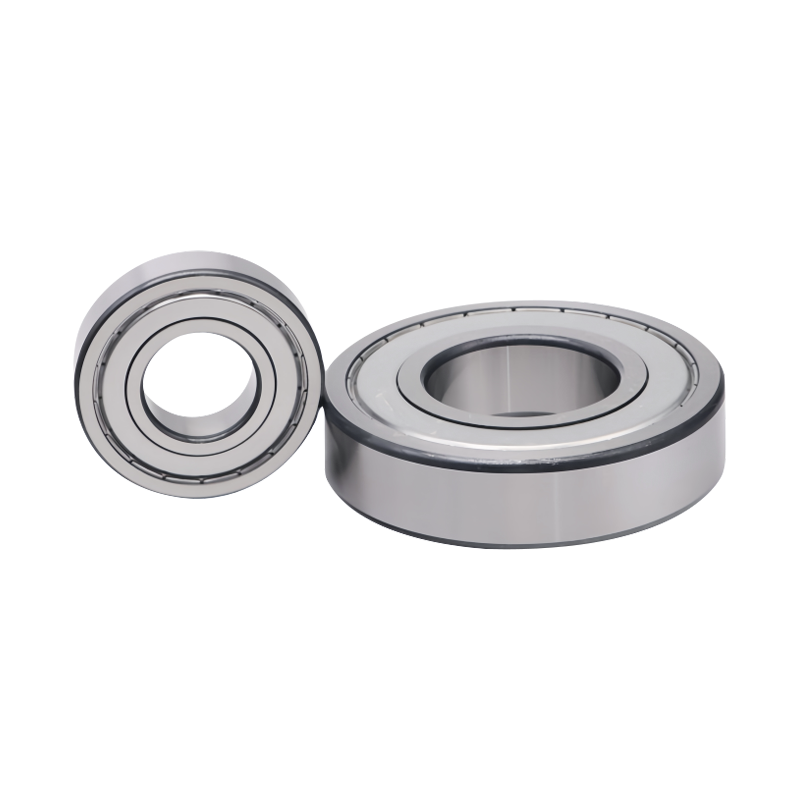
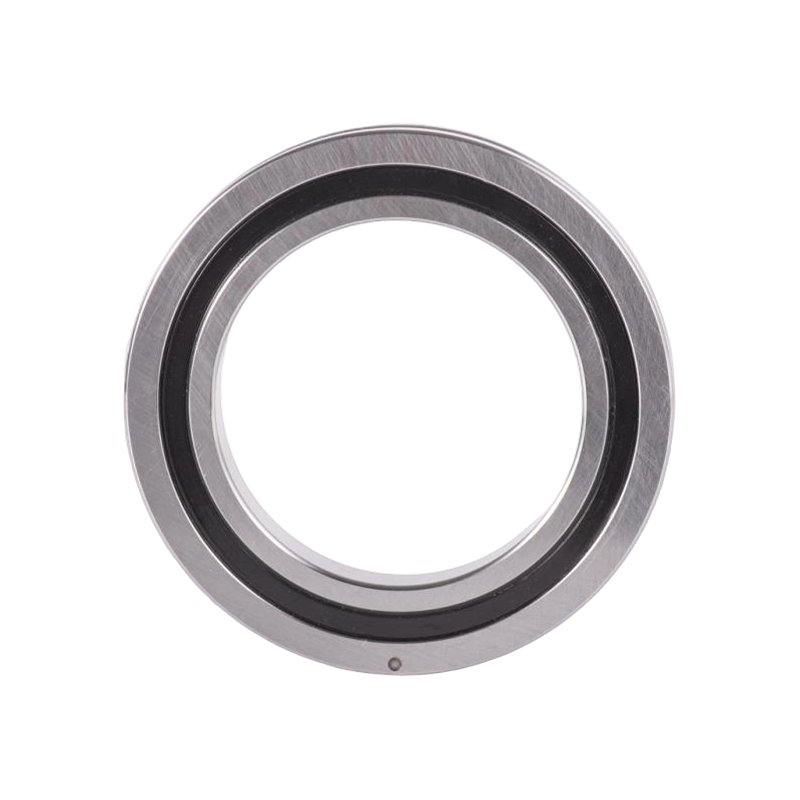
Machine tool bearings are specialized components used to support rotating parts of machinery. They are designed to reduce friction between moving elements, facilitating smooth rotation and reducing the energy needed for operation. These bearings are typically made of steel or other high-strength alloys and are engineered to withstand the significant mechanical stresses present in industrial environments.
Friction is an inevitable force in mechanical systems, but it can be minimized through proper bearing design and material selection. Machine tool bearings reduce friction through a combination of factors:
Wear is another concern in machinery, especially when components come into contact with one another over prolonged periods. Bearings mitigate wear in several ways:
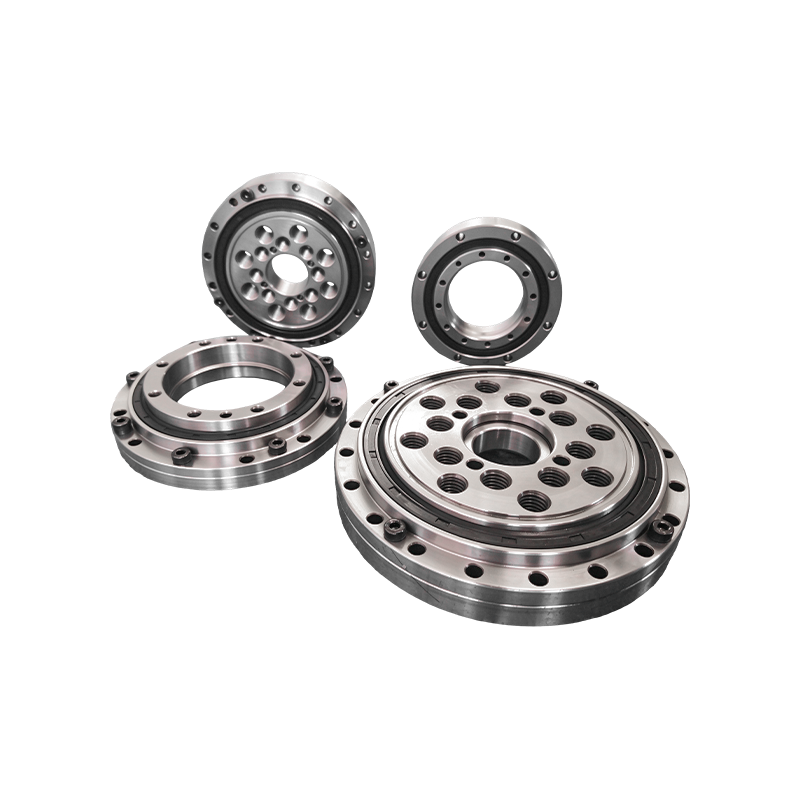
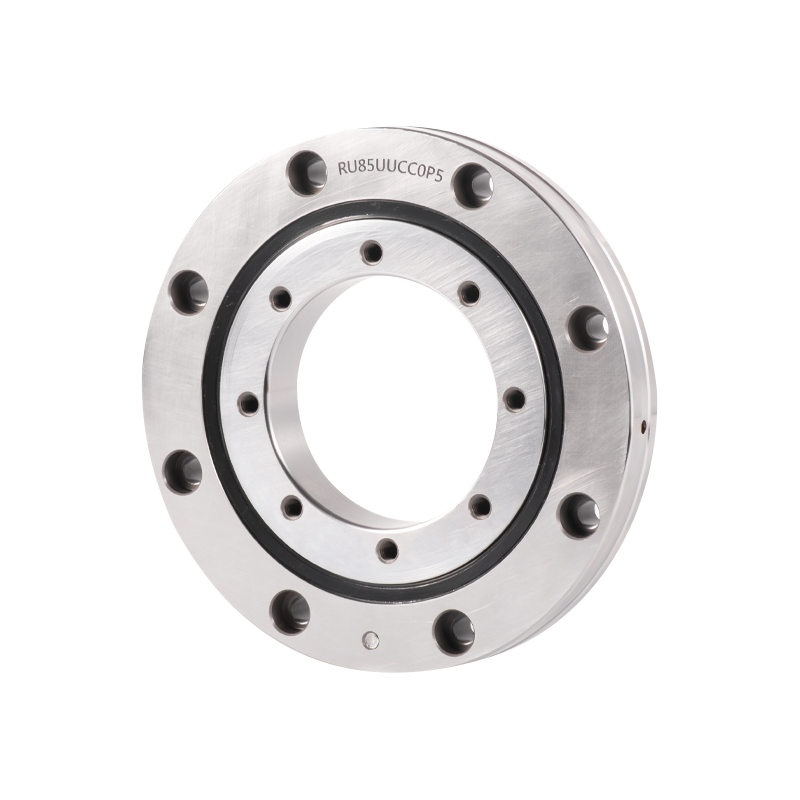
There are various types of machine tool bearings designed for specific applications. The type of bearing selected depends on factors such as load capacity, speed, and operating conditions.
Reducing friction and wear through the use of high-quality machine tool bearings results in enhanced equipment performance across various industries. Some of the key performance improvements include:
Machine tool bearings find applications across a wide range of industries, including:
Choosing the right machine tool bearing is crucial for achieving optimal performance in equipment. When selecting bearings, several factors should be considered:
UKL Bearing Manufacturing Co., Ltd. (Wuxi) is an integrated industrial and trading enterprise that focuses on precision manufacturing, combining R&D, production, and sales. As a professional bearing factory and bearing manufacturing company in China, UKL specializes in high-performance bearing solutions, providing technical support for global industries with exceptionally high demands for precision and reliability.
With more than 200 skilled professionals and a fully modernized production base, UKL’s facilities cover the entire manufacturing process — forging, annealing, turning, heat treatment, grinding, and automated assembly. The video below shows UKL employees are manually assembling bearings. This manual process is crucial for ensuring the highest precision, quality control, and attention to detail in the final product. Experienced technicians meticulously assemble each bearing, verify tolerances, and ensure every component functions perfectly before the product is delivered.
The company’s unwavering commitment to quality and innovation ensures it meets the stringent requirements of various industries and delivers products that exceed customer expectations.
Machine tool bearings are indispensable components that play a vital role in reducing friction and wear in industrial equipment. Their design and material properties directly influence the efficiency, performance, and lifespan of machinery. With advancements in bearing technology, industries can now access more durable, efficient, and cost-effective bearing solutions that support high-performance machinery.
1. What are the main benefits of using machine tool bearings?
Machine tool bearings reduce friction and wear, improve efficiency, extend equipment lifespan, and enhance precision in machinery.
2. How do machine tool bearings reduce friction?
Bearings reduce friction by using rolling elements like balls or rollers, lubricants, and materials with low friction properties, ensuring smooth movement between parts.
3. What are the different types of machine tool bearings?
Common types include ball bearings, roller bearings, tapered roller bearings, and angular contact bearings. Each is suited for specific applications and load conditions.
4. How can machine tool bearings improve the performance of industrial machinery?
By reducing friction and wear, machine tool bearings enhance machinery efficiency, precision, and longevity, resulting in lower maintenance costs and better overall performance.
Product Categories
Contact Us

Jane@ukl-bearing.com
Jenny@ukl-bearing.com
Andy@ukl-bearing.com
Ivy@ukl-bearing.com

+86-510- 88763239
+86-15371057968

No.1 Hehuan Road, Hudai Town, Binhu District, Wuxi City.
Ready to Begin?
Get in Touch

Now!
UKL BEARING
 English
 Español
 русский