Content
When selecting bearings for industrial machinery, precision equipment, or heavy-duty applications, understanding the different types of bearings available is essential. Cross roller bearings and traditional bearings, while both designed to reduce friction and wear, have distinct differences in structure, function, and application suitability.
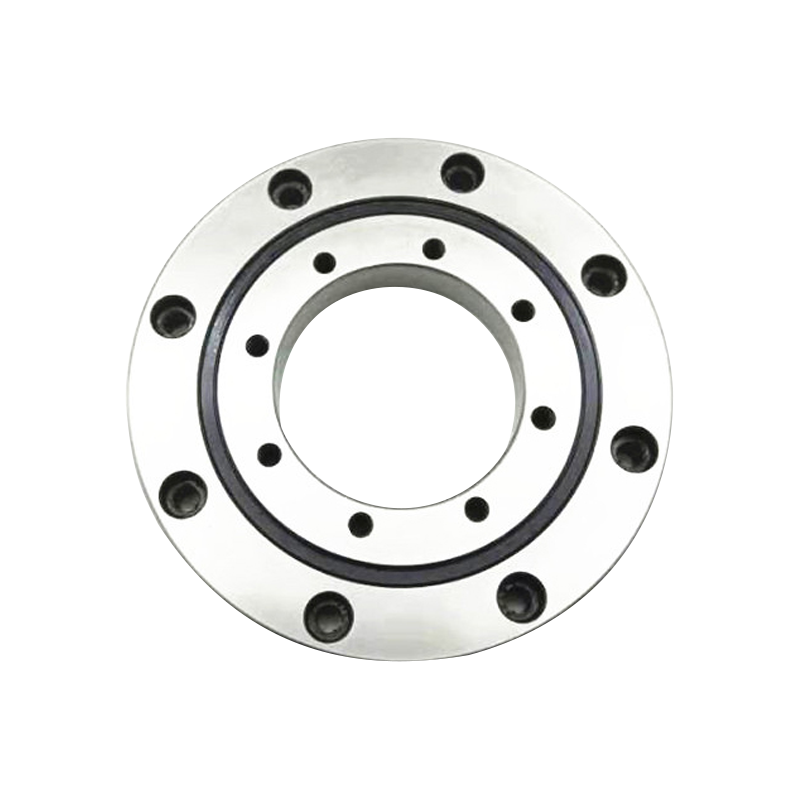
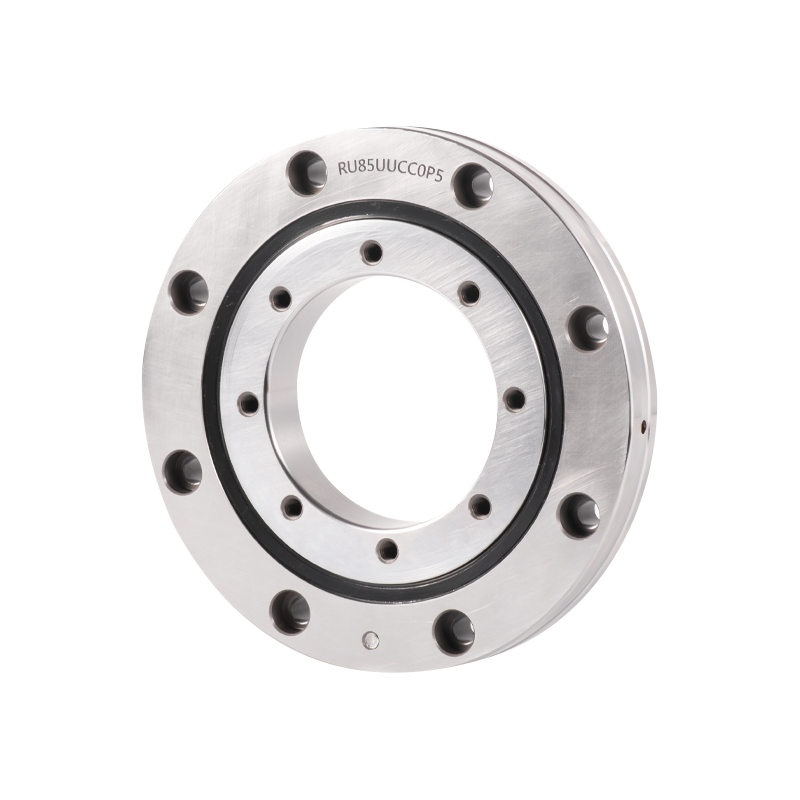
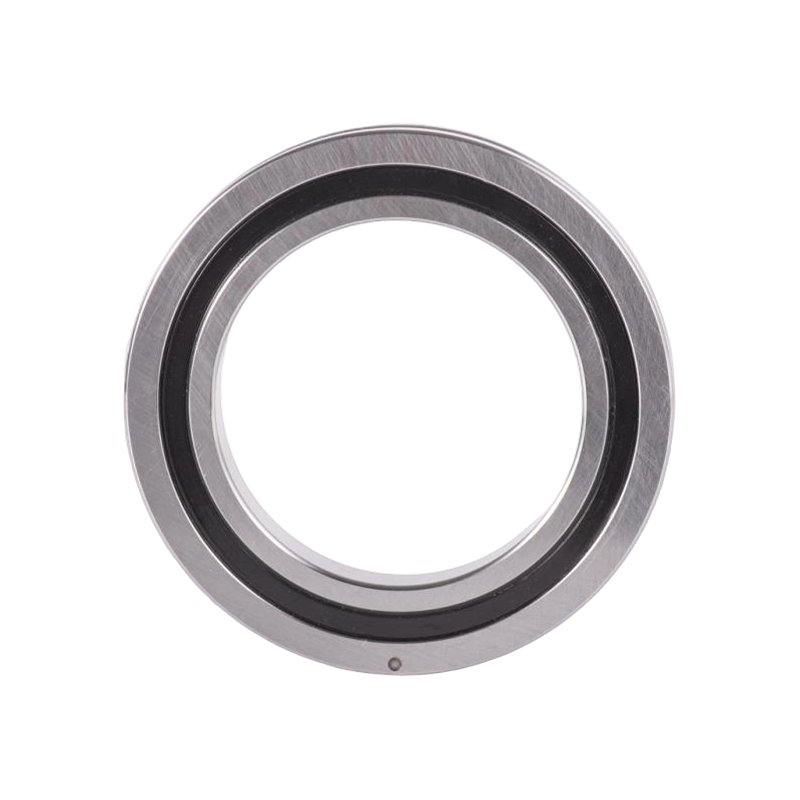
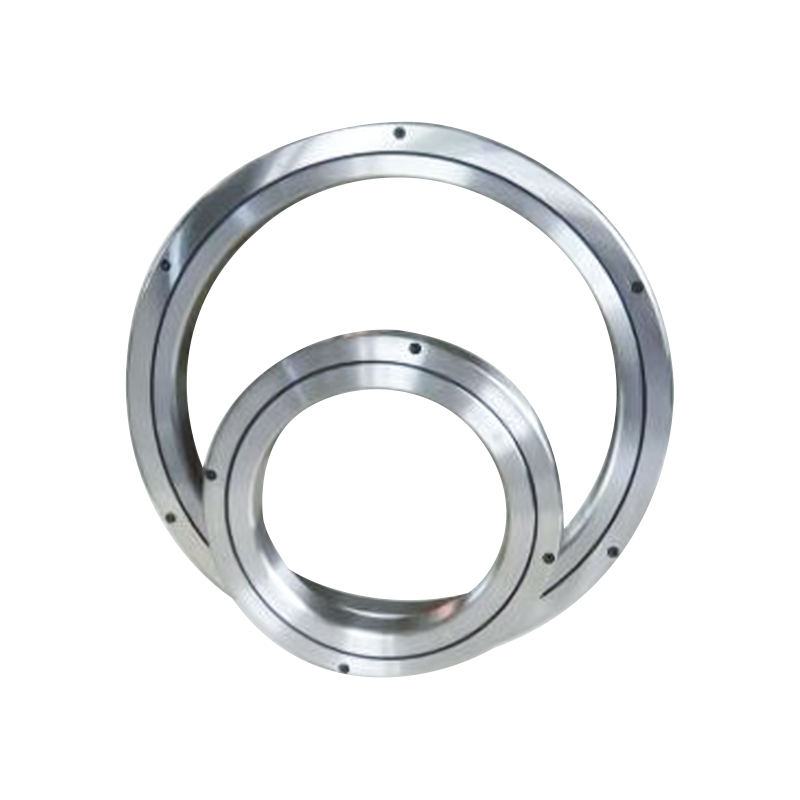
A cross roller bearing is a special type of bearing that features cylindrical rollers arranged at a 90-degree angle to each other, alternating in orientation. This design allows for higher load capacity and greater precision compared to traditional ball bearings or other types of roller bearings. Cross roller bearings are often used in applications where high load capacity, stiffness, and precision are critical, such as in robotics, medical devices, and high-precision machinery.
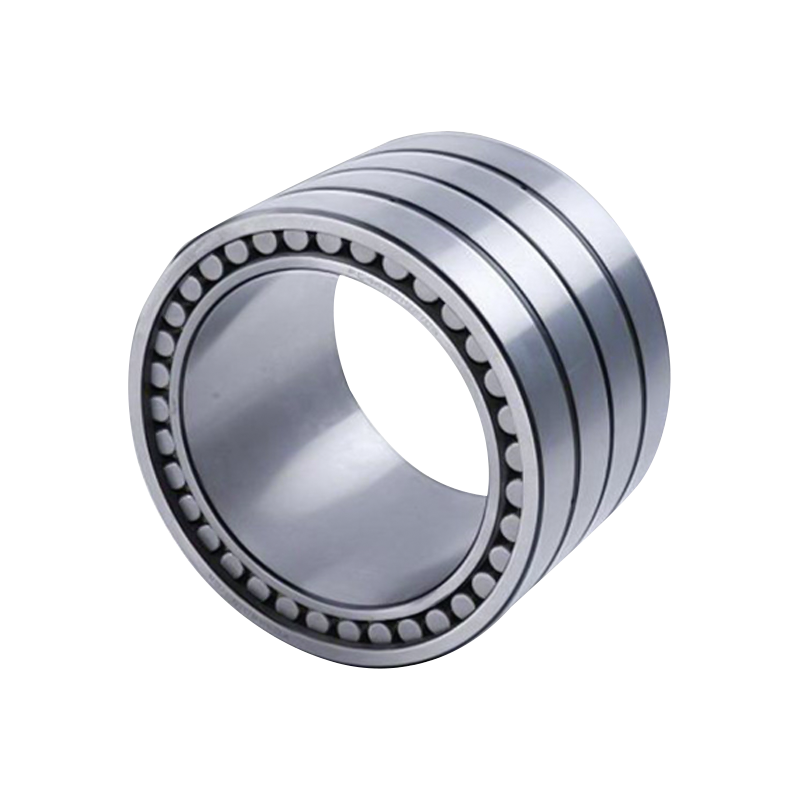
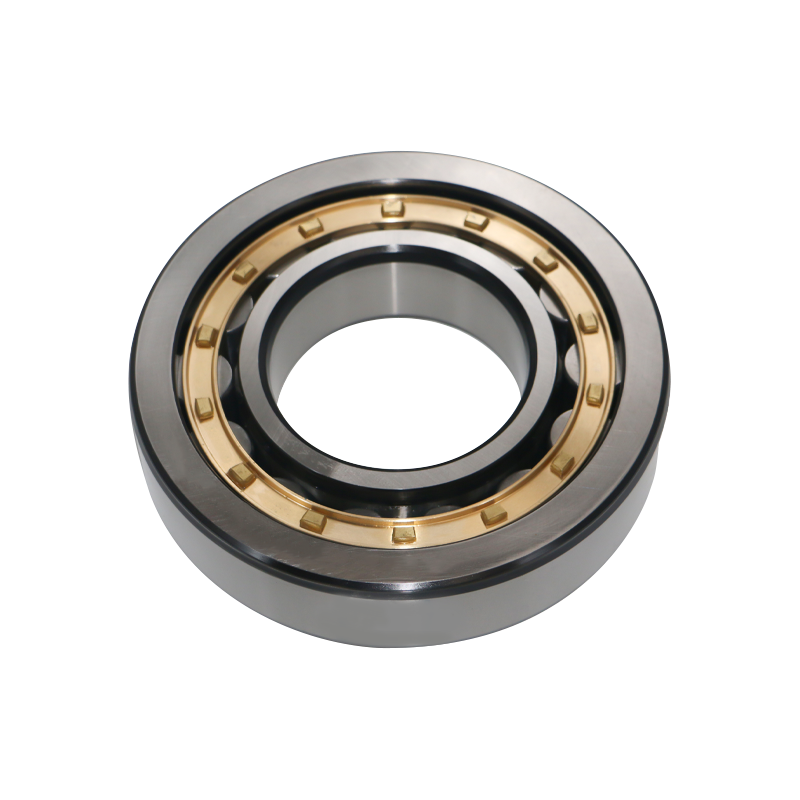
Traditional bearings generally refer to the more common types of bearings such as ball bearings, roller bearings, or thrust bearings. These bearings consist of rolling elements (balls or rollers) that reduce friction between two moving parts, allowing for smoother operation and reduced wear. Traditional bearings can handle radial loads, axial loads, or both, depending on the type.
To make an informed decision, let’s break down the key differences between cross roller bearings and traditional bearings. The comparison will be based on performance metrics such as load capacity, precision, size, and maintenance requirements.
| Feature | Cross Roller Bearings | Traditional Bearings |
|---|---|---|
| Load Capacity | High (both radial and axial) | Medium (mostly radial) |
| Precision | High, ideal for precise movements | Moderate, suitable for general use |
| Size | Compact with high capacity | Varies, often larger for similar load capacity |
| Durability | Long lifespan, minimal wear | Varies with load conditions |
| Cost | Generally higher due to precision | Typically lower in cost |
| Maintenance | Requires precise installation | Easier to maintain, widely used |
| Application Range | Robotics, medical devices, high-precision machinery | General machinery, automotive, industrial equipment |
Cross roller bearings excel in applications that demand precision, high load capacity, and compact design. Here are some key scenarios where they should be considered:
Traditional bearings are often the right choice for applications where high precision is not as critical, and the load requirements are moderate. Some ideal applications include:
UKL Bearing Manufacturing Co., Ltd. (Wuxi) is a leading manufacturer in the precision bearing industry, combining years of expertise in research and development with state-of-the-art production capabilities. With a focus on delivering high-performance bearing solutions, we provide technical support and customized products to industries worldwide. Our extensive product range includes everything from cross roller bearings to angular contact bearings, catering to sectors such as robotics, aerospace, automotive, and medical devices.
Our production facilities, equipped with modern machinery and automated assembly lines, allow us to maintain the highest standards of quality and precision. With over 15 years of experience in OEM/ODM production and exports, we have built a strong reputation for reliability and customer satisfaction in markets across Europe, Asia, and beyond.
Innovation Philosophy
At UKL, innovation is at the heart of everything we do. From technological advancements to material breakthroughs, our commitment to precision drives every decision we make. We are dedicated to continually redefining the standards of bearing manufacturing through R&D and customer-focused solutions.
R&D Ecosystem
Our R&D center is the backbone of our engineering excellence, featuring cutting-edge simulation tools, testing systems, and process innovation. We work closely with universities and research institutes to enhance bearing performance and lifecycle management.
Precision Manufacturing
Our production lines are designed for precision. From the forging of raw materials to the final assembly of bearings, every stage is carefully monitored using automated systems to ensure flawless manufacturing and traceability.
Smart Manufacturing
Embracing Industry 4.0 principles, we leverage smart technology, including AI-based quality control systems and predictive maintenance, to ensure the highest efficiency and minimal downtime in production.
Material Science & Tribology
The foundation of our bearing performance lies in material science. We invest in advanced steel alloys and surface treatments to optimize fatigue resistance, thermal stability, and lubrication retention, ensuring top-tier reliability in extreme conditions.
The assembly of our bearings is a precise and meticulous process carried out by a skilled team, ensuring high performance and durability:
Component Preparation: All bearing components (inner race, outer race, rollers, and cages) undergo thorough cleaning and inspection to meet quality standards before assembly.
Precision Alignment: The rollers or balls are carefully aligned inside the bearing race to ensure smooth rotation and minimal friction.
Lubrication Application: High-quality lubricants are applied to each bearing to reduce wear and enhance performance.
Assembly: Using automated machinery and skilled technicians, the components are assembled, ensuring precise alignment and optimal load distribution.
Final Inspection: Every bearing undergoes a strict quality control process, where it is checked for dimensional accuracy, smooth rotation, and overall performance before it is packed for shipment.
Our assembly process emphasizes precision at every step, from component preparation to final inspection, guaranteeing that every bearing leaving our facility meets the highest standards of quality.
Choosing between cross roller bearings and traditional bearings ultimately depends on the specific needs of your application. Cross roller bearings provide unparalleled precision and load capacity, making them ideal for high-precision machinery. However, they come at a higher cost and require careful installation. Traditional bearings, on the other hand, offer a cost-effective solution for general-purpose applications with moderate load and precision requirements.
When deciding which bearing type to use, consider factors such as load capacity, precision, size constraints, and maintenance needs. For industries like robotics, medical devices, and aerospace, cross roller bearings are often the best choice. For general machinery and automotive applications, traditional bearings may suffice.
1. What is the main advantage of cross roller bearings over traditional bearings?
2. Can cross roller bearings be used in automotive applications?
3. Are cross roller bearings more expensive than traditional bearings?
4. How do I maintain cross roller bearings?
5. What industries commonly use cross roller bearings?
Product Categories
Contact Us

Jane@ukl-bearing.com
Jenny@ukl-bearing.com
Andy@ukl-bearing.com
Ivy@ukl-bearing.com

+86-510- 88763239
+86-15371057968

No.1 Hehuan Road, Hudai Town, Binhu District, Wuxi City.
Ready to Begin?
Get in Touch

Now!
UKL BEARING
 English
 Español
 русский