Content
In the world of robotics, especially in high-precision applications, robot bearings play a critical role in ensuring that robotic arms perform efficiently under high-speed operations. These bearings are designed to support rotational movements with minimum friction, while bearing multi-directional loads and maintaining exceptional accuracy. They are the unsung heroes that help robots move smoothly and precisely, making them indispensable in industries such as manufacturing, healthcare, and logistics.
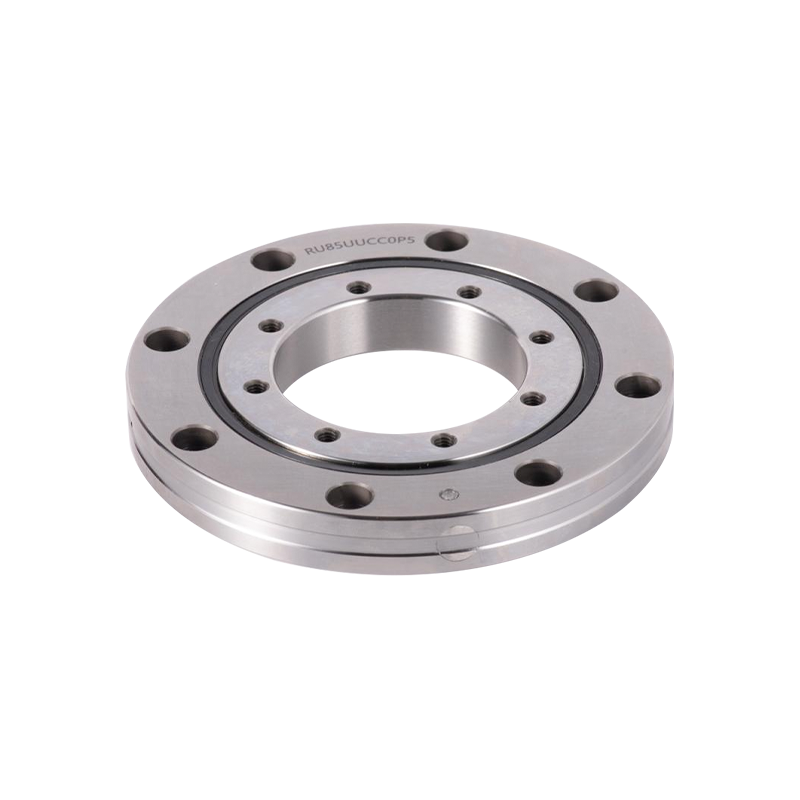
Robot bearings are essential components of robotic arms, providing the necessary support to joints, slewing units, and precision rotary tables. These bearings allow robotic arms to perform rotational movements with minimal wear and tear. The smooth operation of these components is crucial for robotic arms to achieve high speed and precision in a variety of tasks.
Key Characteristics of Robot Bearings:
In robotic arms, there are several types of bearings that can be used depending on the application’s requirements. The two most commonly used types of robot bearings are Crossed Roller Bearings and Constant Section Thin-Walled Bearings.
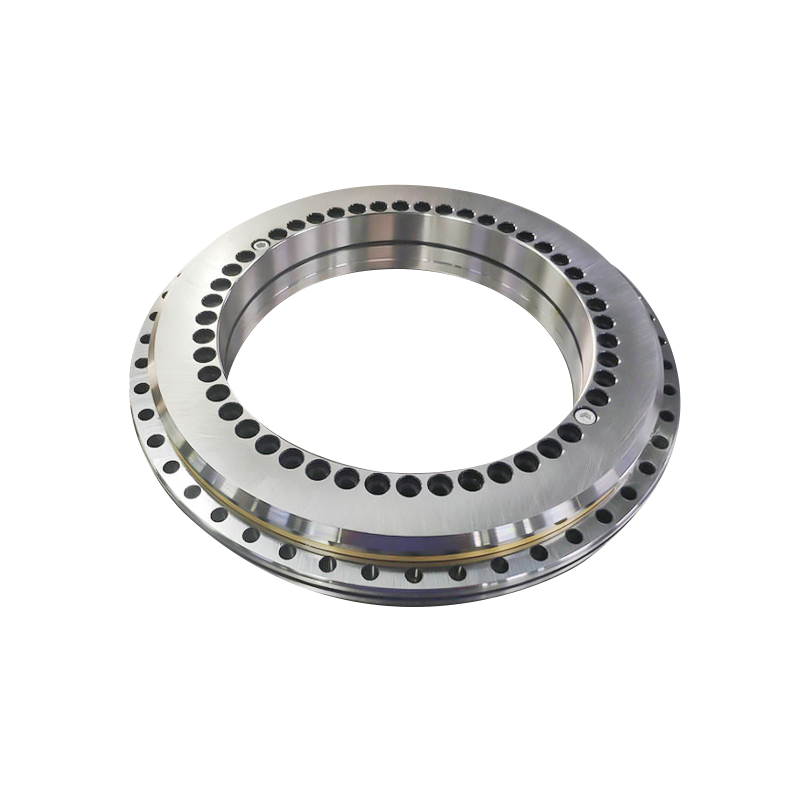
Crossed roller bearings are often used in applications that demand high precision and minimal rotation error. These bearings consist of cylindrical rollers that are arranged at a 90-degree angle to each other. This unique design allows the bearing to support multi-directional loads while maintaining high rigidity. Crossed roller bearings are ideal for use in robotic arms where space constraints and high load capacities are concerns.
Advantages:
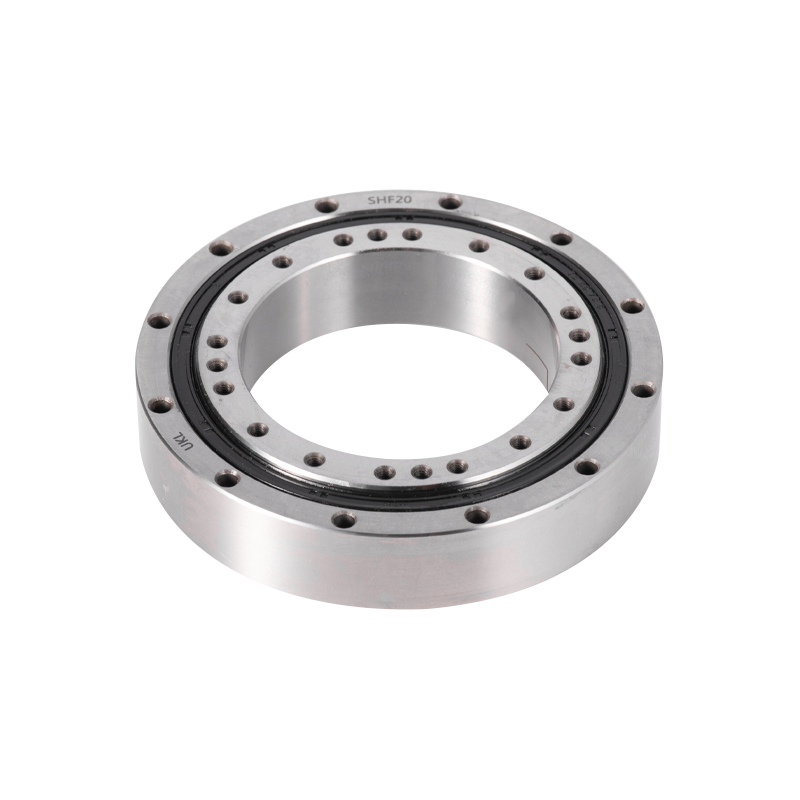
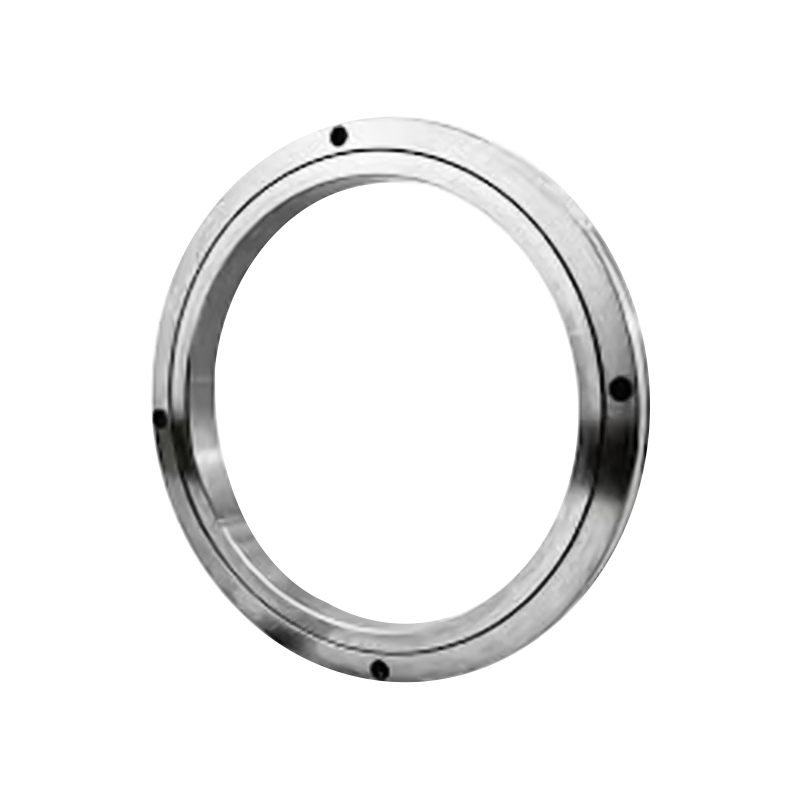
Constant section thin-walled bearings are designed to reduce weight while maintaining high load capacity. These bearings are particularly useful in robotic arms where the weight of the bearing could affect the overall speed and performance of the system. Thin-walled bearings are able to provide high-speed operation without compromising on performance.
Advantages:
UKL Bearing Manufacturing Co., Ltd. (Wuxi) is a leading integrated industrial and trading enterprise, specializing in precision manufacturing. Combining R&D, production, and sales, the company provides high-performance bearing solutions that meet the demanding needs of industries across the globe.
As a professional bearing factory and manufacturing company based in China, UKL is dedicated to delivering superior bearing products, with a focus on precision and reliability. UKL specializes in robot bearings, providing technical support for industries requiring the highest standards of performance, especially in high-speed robotic applications.
With a workforce of over 200 skilled professionals and a fully modernized production base, UKL’s facilities cover every aspect of the manufacturing process. From forging and annealing to turning, heat treatment, grinding, and automated assembly, UKL controls every step to ensure the highest quality bearings. The company is particularly noted for its ability to create custom bearing solutions tailored to specific application needs.
UKL’s commitment to innovation includes the development of hybrid bearings and the use of advanced materials to reduce friction and wear. Their bearings are designed to handle extreme conditions and offer superior precision, high rigidity, and low friction, making them ideal for high-speed robotic operations.
High-speed operations in robotic arms present several challenges for robot bearings. As robots move at higher speeds, the demand on the bearings to maintain precision and support multi-directional loads increases. One of the key issues is heat generation. The faster the robot moves, the more heat is generated in the bearings due to friction. Excessive heat can lead to bearing failure and reduced performance.
To mitigate these issues, robot bearings manufacturers are utilizing advanced lubrication systems and materials that can withstand high-speed operations without compromising performance. Additionally, research is being conducted to develop bearings that can perform at even higher speeds without generating excessive heat.
The key to supporting high-speed operations in robotic arms is a combination of bearing design, materials, and lubrication. The use of low-friction coatings and advanced lubrication techniques reduces heat generation and wear on the bearings, thus increasing their lifespan and performance.
Materials and Coatings:
Advanced materials such as ceramic and hybrid bearings are increasingly being used in high-speed robots. Ceramic materials offer low friction and high rigidity, making them ideal for high-speed operations. Similarly, hybrid bearings, which combine steel and ceramic components, offer a balance of performance and durability.
Lubrication Systems:
Lubrication plays a crucial role in reducing friction and heat in robot bearings. Advanced lubrication systems, including grease-filled and oil-bath systems, help maintain the smooth operation of bearings during high-speed rotations. These lubrication systems also help reduce wear and prevent bearing failure.
The video features UKL’s quality control experts using advanced measuring instruments such as micrometers, calipers, and laser-based tools to precisely measure each bearing component. Our team checks the inner and outer diameters to ensure they match the exact specifications, as even the smallest deviation can impact the bearing’s performance and longevity.
Additionally, the thickness of the bearing and the diameter of the groove (used for lubrication or sealing purposes) are measured to ensure they align with the required standards for optimal functionality.
After all measurements are taken, our team assesses whether the dimensions fall within the acceptable tolerance range. This careful inspection process guarantees that each bearing produced meets our high standards, ensuring that they will perform reliably in high-speed robotic arm applications.
By adhering to these stringent quality control procedures, we ensure that our robot bearings deliver the precision, durability, and efficiency required for advanced robotic operations.
1. What are robot bearings and why are they important?
Robot bearings are mechanical components used in robotic arms to support rotational movements. They are important because they enable high-speed, precise, and smooth operations, ensuring the robot can perform its tasks effectively.
2. What are the main types of robot bearings?
The two main types of robot bearings are Crossed Roller Bearings and Constant Section Thin-Walled Bearings. Each has its advantages depending on the application, such as high load capacity or compact design.
3. How do robot bearings support high-speed operations?
Robot bearings support high-speed operations by using low-friction materials and advanced lubrication systems. These features reduce heat and wear, allowing the bearings to perform at high speeds without failing.
4. What challenges do robot bearings face in high-speed operations?
The primary challenge is heat generation due to friction. Excessive heat can damage the bearings, so manufacturers use advanced materials and lubrication techniques to reduce friction and maintain performance.
5. How do robot bearings manufacturers ensure reliability and durability?
Manufacturers use advanced materials, hybrid bearings, and specialized lubrication systems to ensure that robot bearings can withstand the extreme conditions of high-speed operations. These innovations help increase the longevity and reliability of robotic arms.
Product Categories
Contact Us

Jane@ukl-bearing.com
Jenny@ukl-bearing.com
Andy@ukl-bearing.com
Ivy@ukl-bearing.com

+86-510- 88763239
+86-15371057968

No.1 Hehuan Road, Hudai Town, Binhu District, Wuxi City.
Ready to Begin?
Get in Touch

Now!
UKL BEARING
 English
 Español
 русский