Content
In the world of manufacturing, precision is key. Every step of the production process must be executed with utmost accuracy to ensure high-quality end products. One essential component that helps achieve this level of precision is machine tool bearings. These specialized bearings are integral to the performance of machine tools, which are the backbone of modern manufacturing processes.
Machine tool bearings are mechanical components that enable smooth and efficient movement within machine tools. They are designed to reduce friction and support the load that is placed on the moving parts of a machine, thereby improving the machine’s overall performance and longevity. These bearings play a pivotal role in ensuring that machine tools such as lathes, milling machines, and CNC machines operate smoothly and with high accuracy.
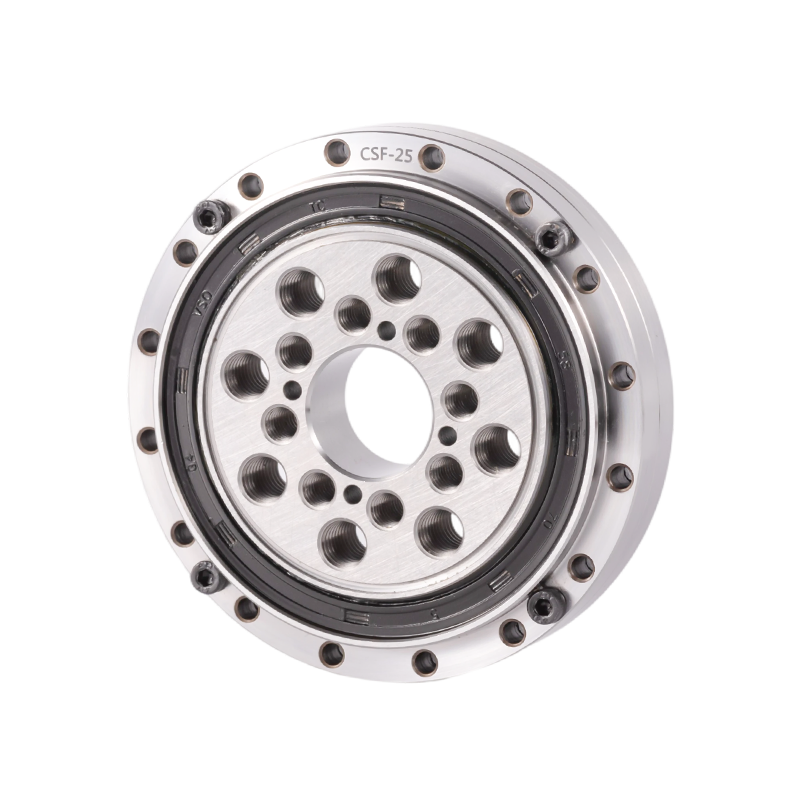
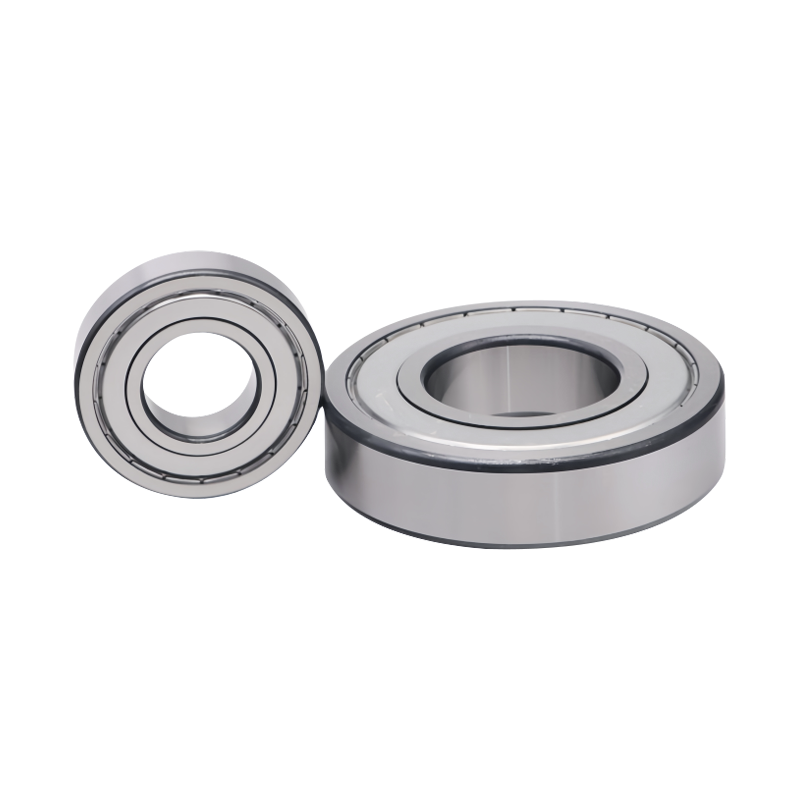
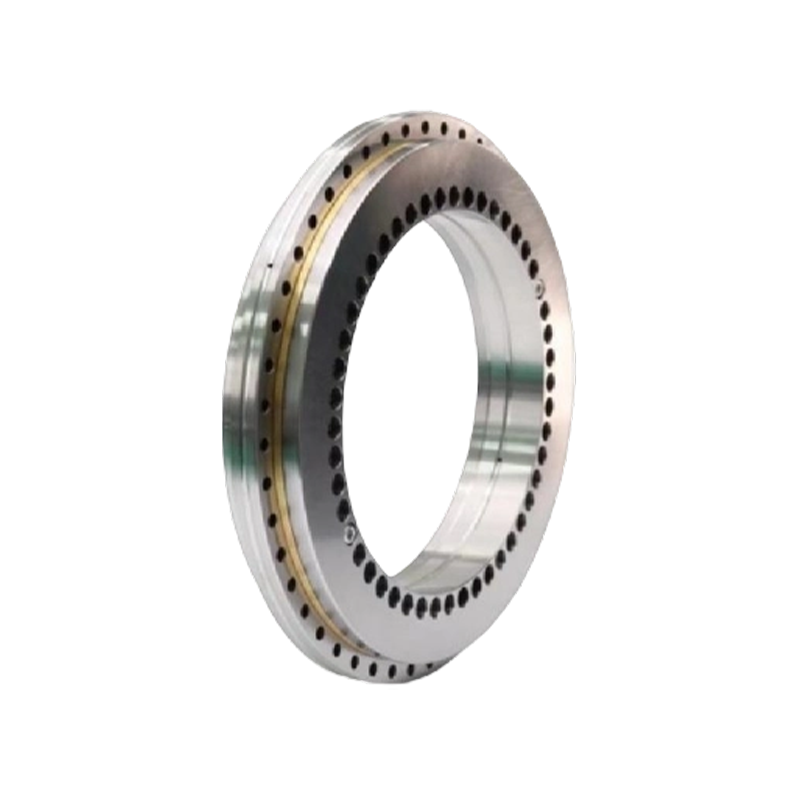
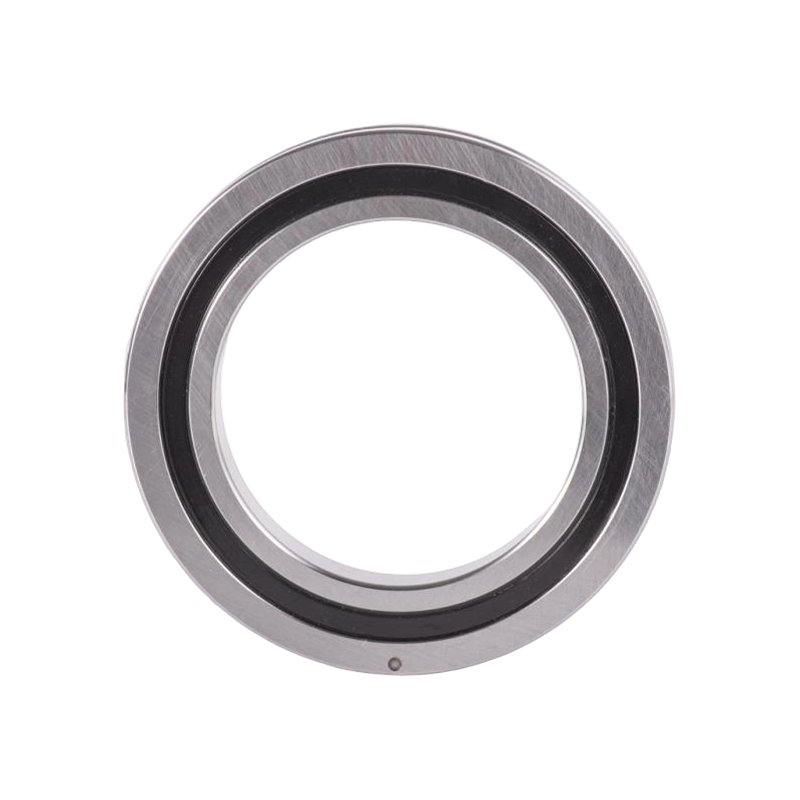
There are several types of machine tool bearings, each designed for specific applications. Common types include:
By minimizing friction between moving parts, machine tool bearings allow for more precise and controlled movements, leading to higher-quality finished products.
Machine tool bearings directly impact the precision of manufacturing processes by enabling smoother, more controlled movements within machinery. The improved control over movement and load distribution allows for higher accuracy and repeatability. Here are a few ways machine tool bearings contribute to precision:
Reduced Friction: Friction is one of the main contributors to wear and tear in mechanical systems. Machine tool bearings reduce friction between moving parts, which minimizes the risk of overheating, damage, and inaccuracies caused by excessive friction.
Increased Stability: With machine tool bearings, moving parts stay aligned and stable under high-pressure conditions. This ensures that the machine tool maintains its intended trajectory, leading to more precise cuts, drills, or other operations.
Improved Efficiency: The reduction of friction also means less energy is required to move machine parts, leading to more efficient processes. This efficiency contributes to both faster production times and more consistent results.
Enhanced Durability: Bearings help distribute loads evenly across machine components, reducing the likelihood of premature wear and extending the lifespan of both the bearings and the machine tool itself.
Machine tool bearings are used in a wide range of industrial applications, from precision cutting to automated assembly. They are crucial in industries such as:
In each of these industries, machine tool bearings help ensure that the machines perform with high accuracy, which directly impacts the quality of the final products.
The materials used to manufacture machine tool bearings are critical to their performance. These materials must be able to withstand high levels of pressure, heat, and friction. Common materials include:
Machine tool bearings offer several key advantages that improve manufacturing processes:
Precision and Accuracy: As already mentioned, machine tool bearings enable smooth and controlled movements, leading to high precision in the final product.
Reduced Downtime: By minimizing friction and wear, machine tool bearings contribute to longer operational life, reducing the need for frequent maintenance and parts replacement.
Cost Savings: With the reduction in maintenance and repair costs, machine tool bearings provide a cost-effective solution for industries looking to optimize their manufacturing processes.
Improved Product Quality: Ultimately, machine tool bearings contribute to the production of high-quality products by ensuring that machines operate with maximum precision.
| Bearing Type | Common Applications | Key Features |
|---|---|---|
| Ball Bearings | CNC machines, lathes | Versatile, handles radial and axial loads |
| Roller Bearings | Heavy machinery, milling machines | Handles heavy loads, ideal for high-load applications |
| Thrust Bearings | Gearboxes, automotive tools | Designed for axial load support |
| Hybrid Bearings | High-speed CNC machines, aerospace | Combination of steel and ceramic for low friction and high speed |
In manufacturing, precision is not just a matter of quality; it also affects efficiency, cost, and safety. As industries demand more complex designs and higher-quality products, machine tools must evolve to meet these requirements. Machine tool bearings are essential in ensuring that machines can operate at their maximum potential without sacrificing precision. By maintaining tight tolerances and reducing the risk of errors, bearings play a critical role in ensuring that manufacturing processes are efficient and cost-effective.
UKL Bearing Manufacturing Co., Ltd. (Wuxi) is an integrated industrial and trading enterprise specializing in high-performance bearing solutions. With over 200 skilled professionals and a modernized production base, UKL offers comprehensive bearing solutions for global industries with high precision and reliability needs. The company focuses on precision manufacturing, combining R&D, production, and sales to meet the growing demand for high-quality machine tool bearings.
At UKL, precision is at the heart of every manufacturing process, especially when it comes to delicate operations like the assembly of needle bearings or one-way clutch bearings. In these processes, skilled workers meticulously assemble each component by hand to ensure the highest levels of quality and performance.
Simultaneously, the workers hold the bearing body in place, maintaining precise positioning as they continue with the assembly. This manual insertion and alignment are essential to ensure that each needle or clutch bearing functions smoothly and performs to the highest standards.
1. What is the main function of machine tool bearings?
Machine tool bearings reduce friction between moving parts, allowing for smoother operation and greater precision in manufacturing processes.
2. What types of bearings are used in machine tools?
Common types include ball bearings, roller bearings, and thrust bearings, each designed for specific applications and load conditions.
3. How do machine tool bearings affect the lifespan of machinery?
By minimizing friction and wear, machine tool bearings help extend the operational life of machinery, reducing the need for frequent maintenance.
4. What industries benefit most from machine tool bearings?
Industries like aerospace, automotive, and electronics manufacturing rely heavily on machine tool bearings for high-precision operations.
Product Categories
Contact Us

Jane@ukl-bearing.com
Jenny@ukl-bearing.com
Andy@ukl-bearing.com
Ivy@ukl-bearing.com

+86-510- 88763239
+86-15371057968

No.1 Hehuan Road, Hudai Town, Binhu District, Wuxi City.
Ready to Begin?
Get in Touch

Now!
UKL BEARING
 English
 Español
 русский