 English
 Español
 русский
Cross Roller Bearing Manufacturers
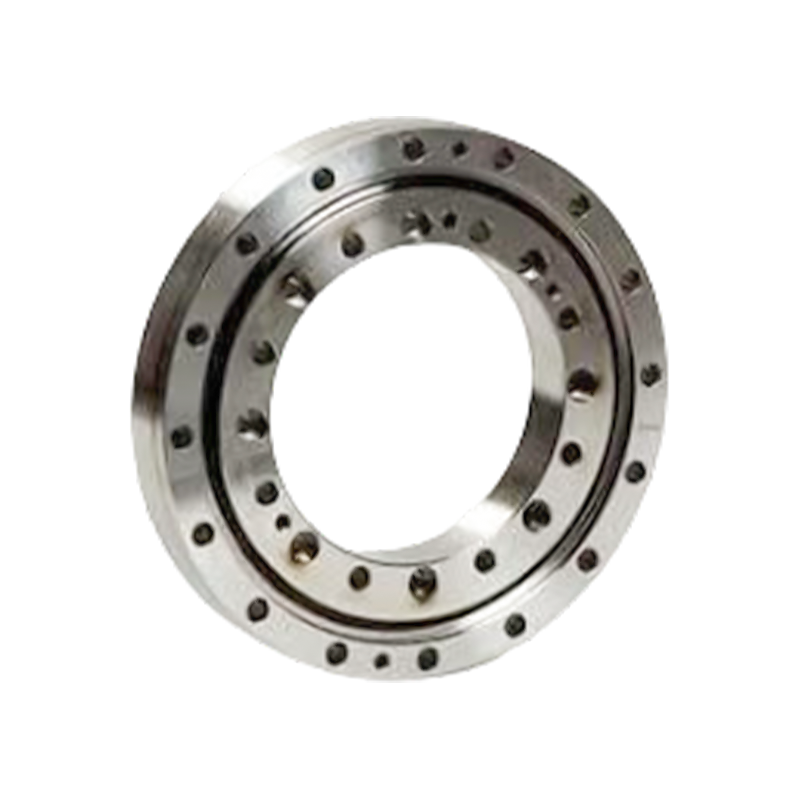
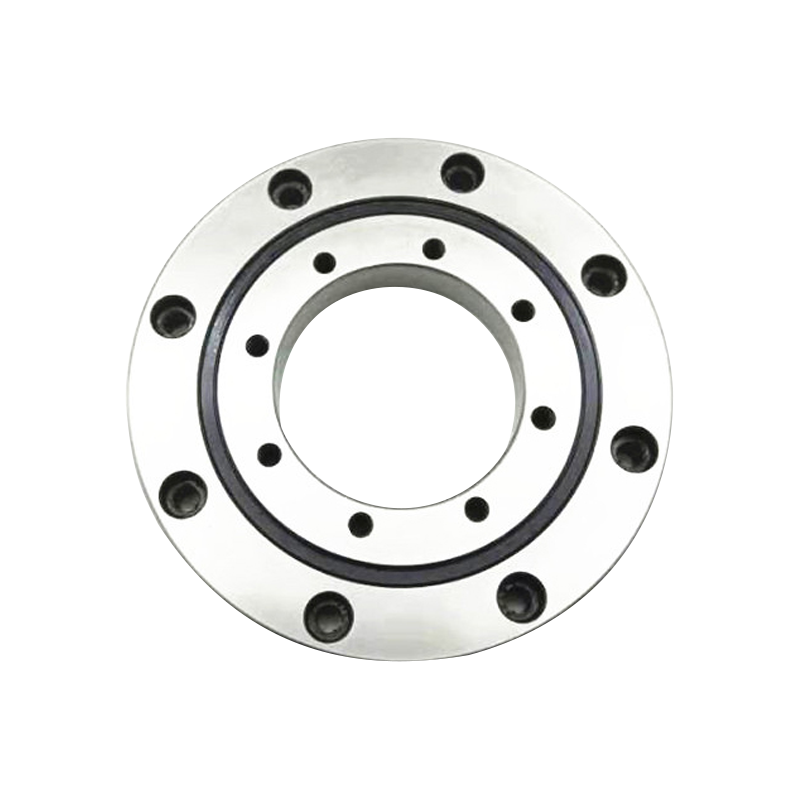
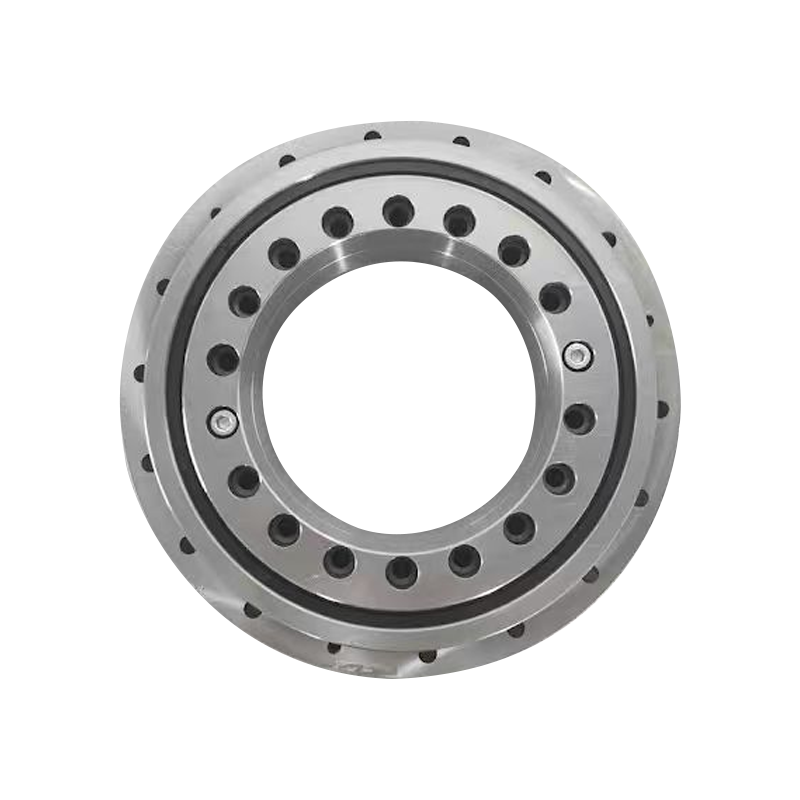
Crossed Roller Bearings (Cross-Roller Bearings)Crossed Roller Bearings, also known as cross-roller bearings, utilize an internal structure where cylindrical rollers are arranged crosswise at a 90° angle to each other within V-shaped raceways. Separators or spacers are placed between the rollers.This structure allows a single bearing to simultaneously handle loads in all directions, including radial loads, axial loads, and overturning moments. The bearings are characterized by their minimal overall dimensions (miniaturization), high rigidity, high rotational accuracy, and combined load-carrying capacity. Therefore, they are best suited for: Joints or rotating parts of industrial robots. Rotating parts of manipulators/robot hands.Rotary tables of machining centers.Precision rotary tables.Medical equipment.Measuring instruments.IC manufacturing equipment, and other applications. Structural Types of Crossed Roller Bearings Crossed roller bearings are generally classified into three structural forms: Outer ring separable, inner ring integrated. Outer ring integrated, inner ring separable. Both outer and inner rings are integrated.
1. RB Type (Separable Outer Ring, Integrated Inner Ring)Structure: The outer ring is split into two pieces, while the inner ring is a single, integrated component.Application: Suitable for applications requiring high rotational accuracy of the inner ring.
2. RE Type (Integrated Outer Ring, Separable Inner Ring)Structure: Has the same external dimensions as the RB type, but the outer ring is integrated, and the inner ring is split into two pieces.Application: Suitable for applications requiring high rotational accuracy of the outer ring.
3. RU Type (Integrated Inner and Outer Rings, with Mounting Holes)Structure: Both inner and outer rings are integrated and feature mounting holes. This eliminates the need for fixing flanges and support seats, making it very convenient to use. Performance: Since the inner and outer rings are integrated, installation has minimal effect on performance, ensuring stable rotational accuracy and torque.Application: Suitable for applications requiring high rotational accuracy for both the inner and outer rings.
4. RA Type (Separable Outer Ring, Integrated Inner Ring, Ultra-Thin)Structure: An ultra-thin design where the thickness of the inner and outer rings is reduced to the maximum extent. The structure is the same as the RB type, with a split outer ring. Application: Suitable for parts requiring lightweight and compact design, such as the rotating sections of robots and manipulators.
5. RBH Type (Integrated Inner and Outer Rings, Ultra-Thin)Structure: Ultra-thin design with integrated inner and outer rings, but without mounting holes. Requires fixing with flanges and support seats during installation.Performance: The integrated structure of both rings prevents performance degradation due to installation, ensuring stable rotational accuracy and torque.Application: Suitable for applications requiring small size (miniaturization) while maintaining high rotational accuracy for both inner and outer rings.
6. SX Type (Integrated Inner Ring, Separable Outer Ring, Ultra-Thin)Structure: For the same shaft diameter, the SX type has a smaller cross-section than the RB type. Due to the ultra-thin design, neither the inner nor outer rings have mounting holes, requiring fixing with flanges and bearing seats during installation. Application: Suitable for applications where the inner ring rotates.