
 English
 Español
 русский


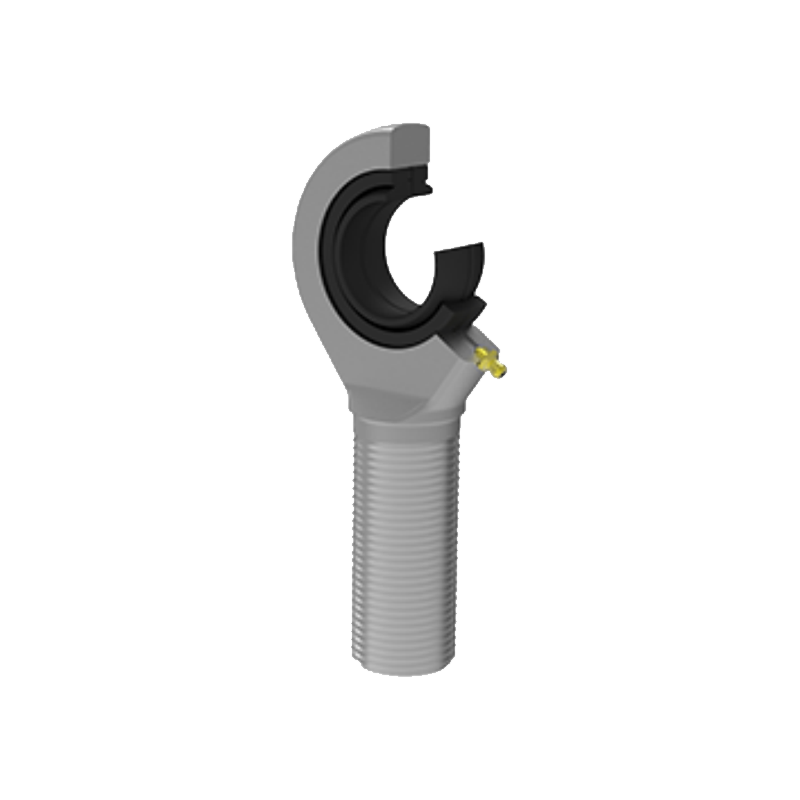



Why Is the SI5 Bearing Ideal for Hydraulic Cylinders and Automation Equipment?
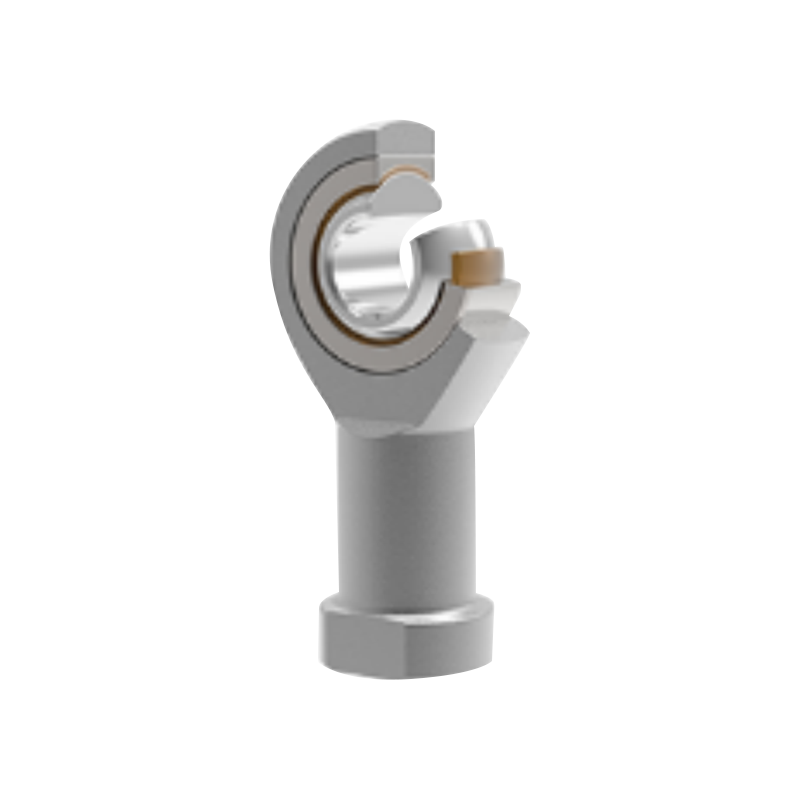
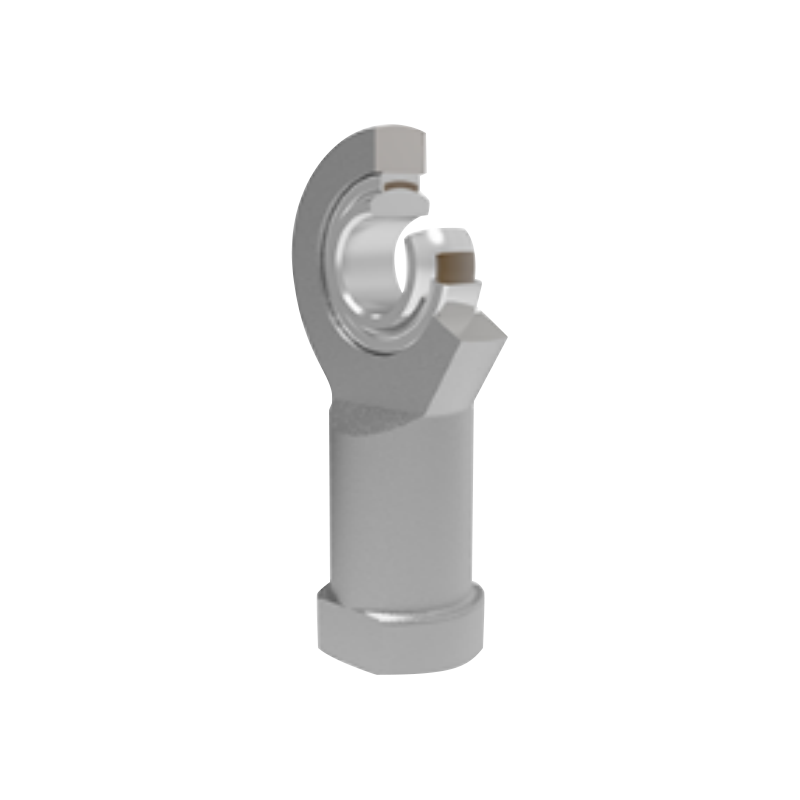
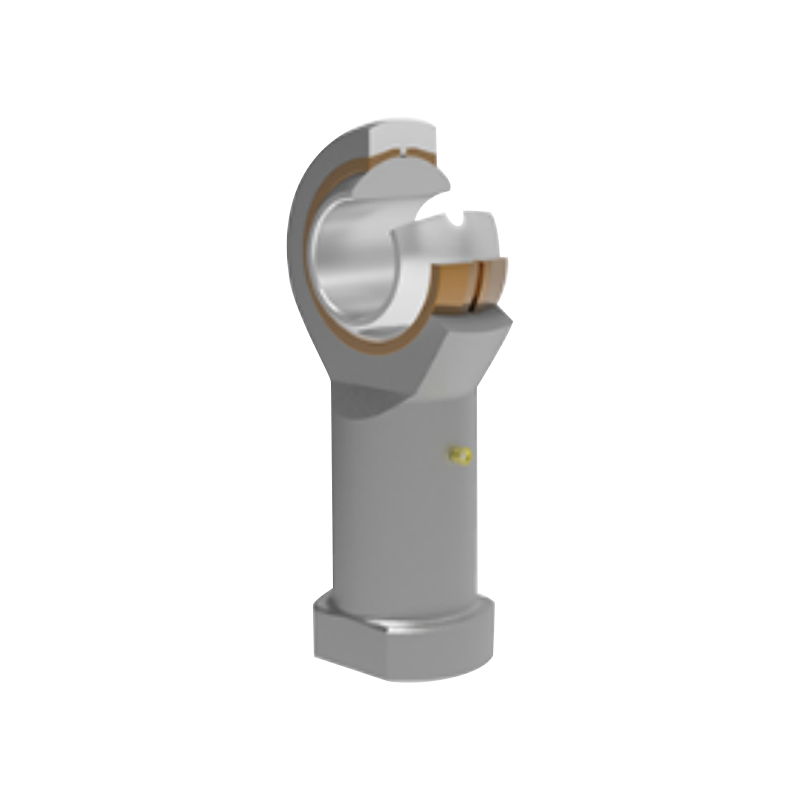
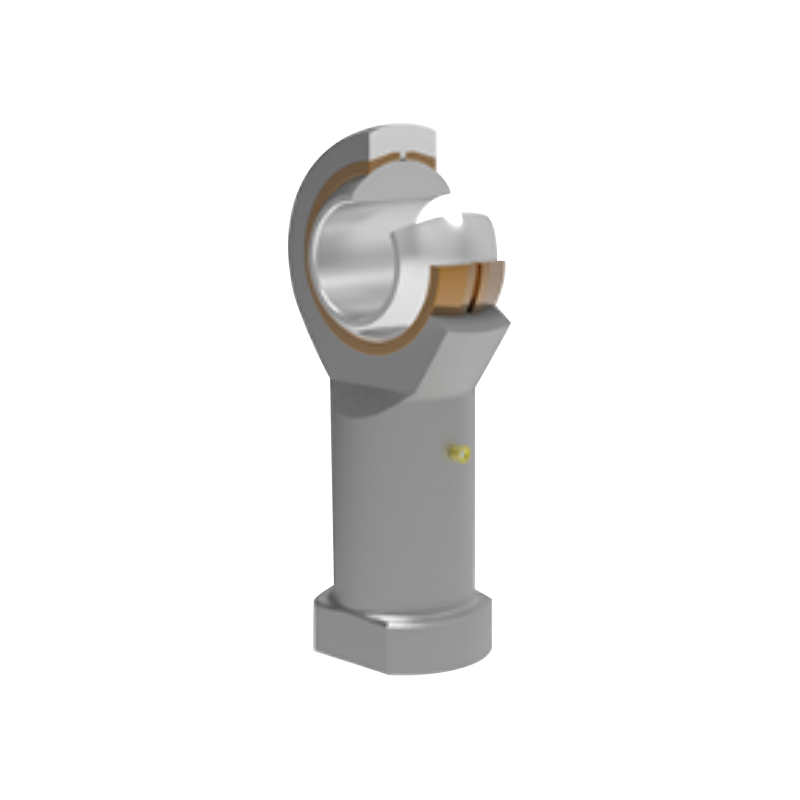
Rod end bearings are critical mechanical components used wherever controlled angular movement and reliable load transmission are required. Among them, SI5 bearing and the broader SI series rod end bearing applications have become widely recognized for their excellent load-carrying capability, durability, and adaptability to demanding industrial environments. Designed with a steel on steel rod end structure, SI series bearings provide outstanding wear resistance and high mechanical strength, making them suitable for hydraulic cylinders, automation equipment, engineering machinery, agricultural systems, and many other dynamic applications.
Understanding the SI Series Rod End Bearing
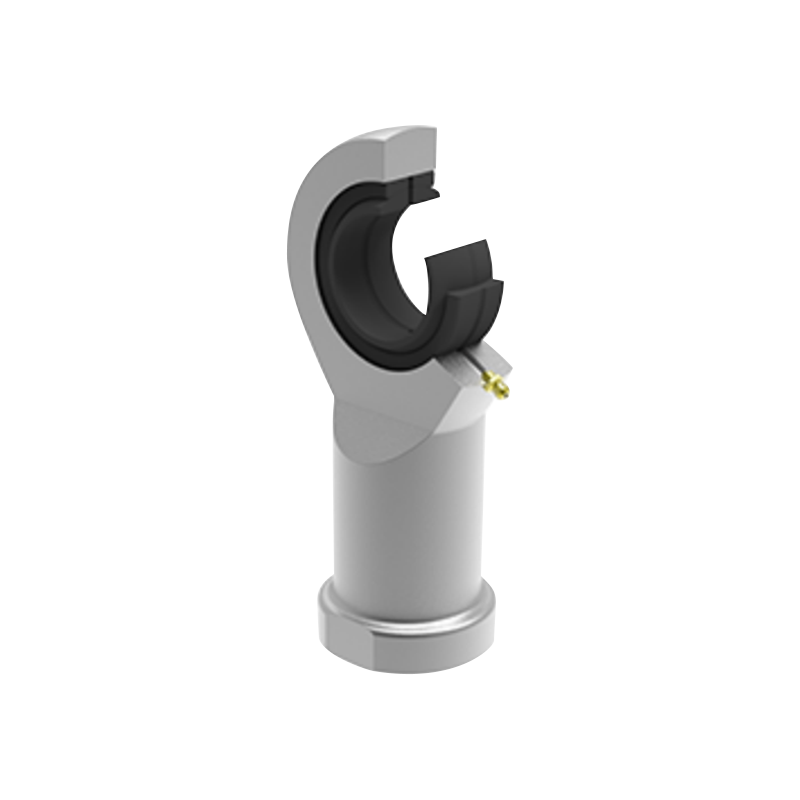
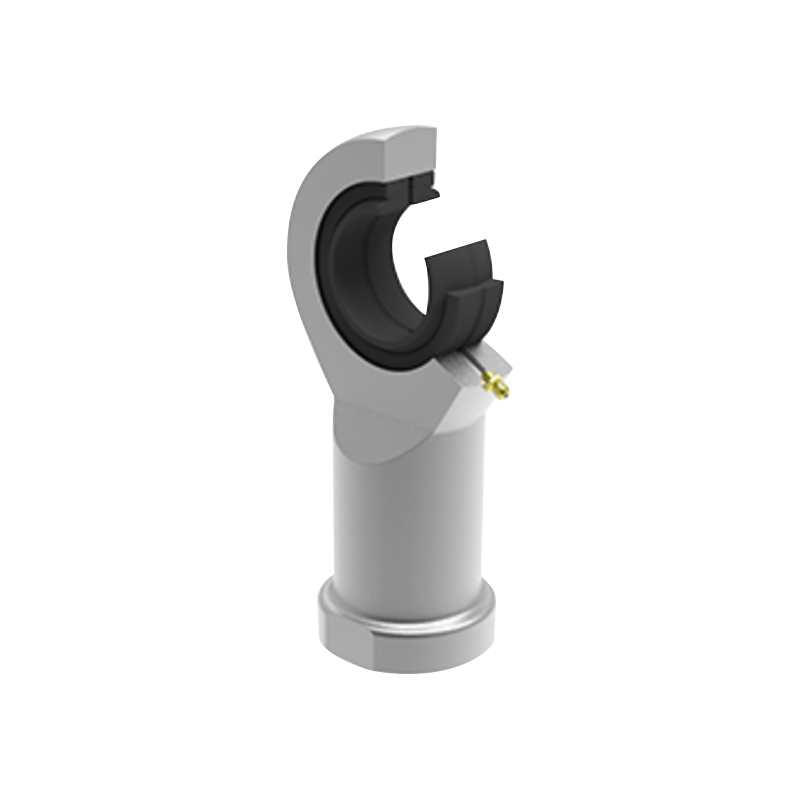
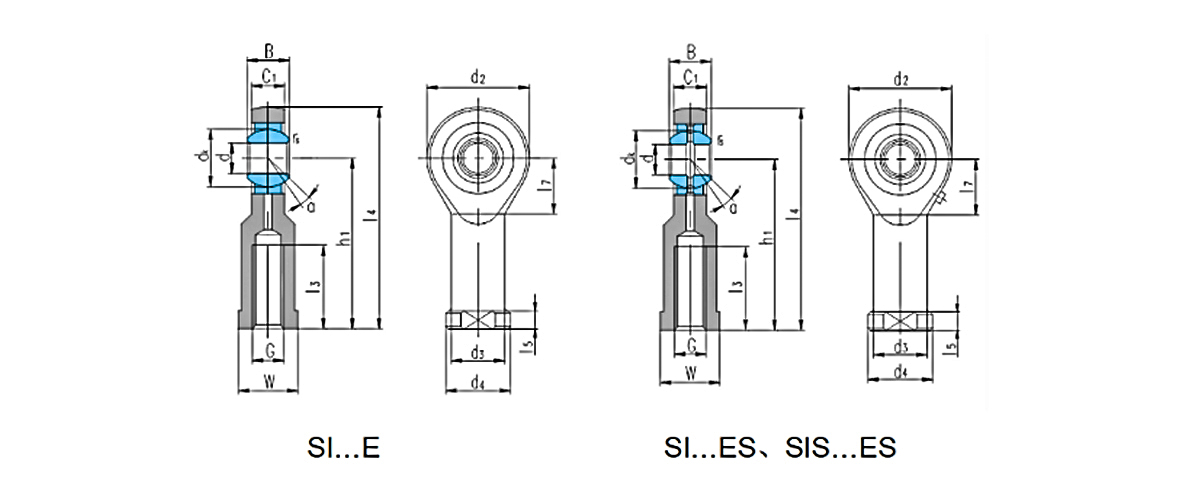
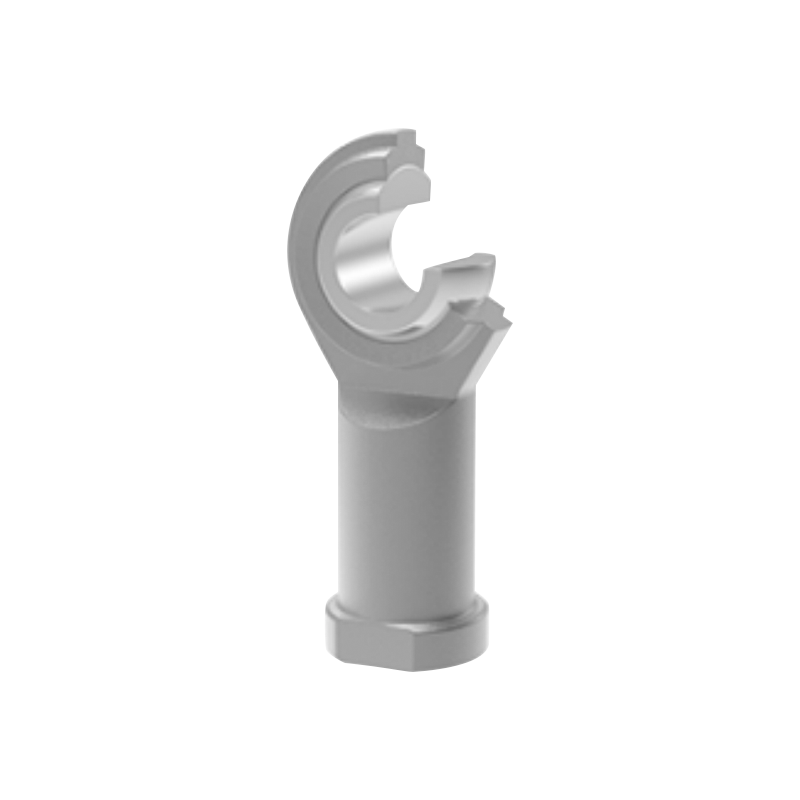
The SI series rod end bearing consists of a spherical plain bearing integrated into a forged or machined housing with an external male thread. Its design allows rotational movement together with limited angular misalignment, making it ideal for mechanisms where shafts cannot remain perfectly aligned during operation.
Compared with conventional rigid joints, SI series bearings reduce stress concentration while maintaining stable transmission of force.
Typical features include:
- High radial load capacity
- Excellent wear resistance
- Steel-on-steel contact structure
- Reliable performance under shock loads
- Easy installation and maintenance
- Long service life in demanding environments
Among the product family, the SI5 bearing is widely selected for compact equipment requiring precision movement and dependable mechanical strength.
Why Steel-on-Steel Construction Matters
One of the defining characteristics of the SI series is its steel on steel rod end in hydraulic cylinder applications.
Unlike maintenance-free composite bearings that prioritize low friction, steel-on-steel rod ends are engineered primarily for strength and durability. They perform exceptionally well under heavy static and dynamic loads where impact resistance is essential.
Comparison of Different Rod End Bearing Materials
| Feature | Steel-on-Steel SI Series | Composite/PTFE Bearings |
|---|---|---|
| Load Capacity | Very High | Medium |
| Shock Resistance | Excellent | Moderate |
| Wear Resistance | High with lubrication | High under light loads |
| Service Environment | Heavy-duty industrial | Light-duty automation |
| Maintenance | Periodic lubrication | Usually maintenance-free |
| Typical Applications | Hydraulic cylinders, construction machinery | Precision equipment, robotics |
For equipment operating under high pressure, vibration, or repeated impact, steel-on-steel bearings remain the preferred engineering solution.
SI Series Rod End Bearing Applications in Hydraulic Cylinders
Hydraulic cylinders generate significant pushing and pulling forces while often operating under changing installation angles.
A steel on steel rod end in hydraulic cylinder helps compensate for installation errors while maintaining stable force transmission.
Key advantages include:
- Accommodates angular movement during cylinder extension and retraction
- Reduces side loading on piston rods
- Minimizes stress concentration
- Improves sealing performance by reducing misalignment
- Extends hydraulic cylinder service life
Because hydraulic systems frequently experience heavy loads and sudden pressure changes, SI series bearings provide the durability necessary for continuous industrial operation.
Rod End Bearing for Automation Equipment
Modern automated production lines demand smooth movement, repeatable positioning, and reliable mechanical joints.
A rod end bearing for automation is commonly used in:
- Linear actuators
- Material handling systems
- Automated welding equipment
- Packaging machinery
- Conveyor systems
- Robotic auxiliary mechanisms
Although automation systems generally operate under lighter loads than construction equipment, they require consistent movement accuracy over extended operating cycles.
The SI5 bearing offers an excellent balance between compact dimensions and mechanical strength, enabling precise motion while maintaining structural stability.
Engineering Machinery and Construction Equipment
Construction machinery continuously operates under vibration, impact, and varying environmental conditions.
SI series rod end bearings are frequently installed in:
- Excavator linkage systems
- Loader attachments
- Crane mechanisms
- Road construction equipment
- Mining machinery
- Lifting platforms
These applications require bearings capable of handling multidirectional forces while allowing limited angular displacement.
The steel-on-steel design delivers exceptional resistance to deformation, making SI series bearings suitable for long-term heavy-duty service.
Performance Under Angular Misalignment
Mechanical systems rarely operate under perfectly aligned conditions.
One of the major advantages of SI series bearings is their ability to accommodate angular movement. Depending on model specifications, many SI series products can operate within a 13° articulation angle, allowing smooth movement without generating excessive internal stress.
This capability provides several operational benefits:
- Compensates for assembly tolerances
- Reduces shaft bending loads
- Prevents premature wear
- Improves mechanical efficiency
- Supports stable operation under dynamic conditions
For equipment subjected to frequent directional changes, this angular flexibility significantly enhances reliability.
Typical Industrial Applications
The versatility of SI series rod end bearings allows them to serve multiple industries.
| Industry | Typical Equipment | Primary Function |
|---|---|---|
| Hydraulic Systems | Hydraulic cylinders | Force transmission |
| Automation | Linear actuators, conveyors | Motion guidance |
| Construction | Excavators, loaders | Heavy-load articulation |
| Agricultural Machinery | Harvesters, seeders | Linkage movement |
| Material Handling | Lifting equipment | Dynamic connection |
| Industrial Equipment | Mechanical transmission systems | Angular compensation |
Their combination of strength and flexibility makes SI bearings suitable wherever reliable articulation is required.
Selecting the Right SI5 Bearing
Choosing the appropriate bearing requires consideration of several engineering factors rather than focusing solely on dimensions.
Engineers typically evaluate:
- Radial load requirements
- Axial load conditions
- Operating frequency
- Required articulation angle
- Lubrication method
- Working environment
- Installation space
- Thread specifications
Matching these parameters correctly helps maximize bearing life while reducing maintenance requirements.
Manufacturing Quality Matters
Consistent performance depends not only on bearing design but also on manufacturing precision.
As a professional bearing manufacturer, UKL Bearing Manufacturing Co., Ltd. (Wuxi) integrates research, production, and international sales into a complete manufacturing system. The company specializes in precision bearing solutions for industries requiring high reliability and long service life.
With more than 200 experienced professionals and a modern production base covering forging, annealing, turning, heat treatment, grinding, and automated assembly, UKL maintains strict quality control throughout every production stage.
Leveraging over 15 years of OEM/ODM export experience, UKL supplies customized bearing solutions to customers across Europe, Asia, Africa, and the Middle East, responding efficiently to diverse industrial application requirements. As a trusted SI5E bearing supplier, the company focuses on delivering precision-engineered products that meet demanding operating conditions while supporting long-term equipment performance.
Conclusion
From hydraulic cylinders to automated production systems and heavy engineering machinery, SI series rod end bearing applications continue to expand across modern industry. The combination of high load capacity, steel-on-steel durability, wear resistance, and reliable angular movement makes the SI5 bearing an effective solution for equipment operating under demanding mechanical conditions.
Whether used as a steel on steel rod end in hydraulic cylinder, a rod end bearing for automation, or an articulated joint in construction machinery, SI series bearings help improve operational stability, reduce mechanical stress, and extend equipment service life.
FAQ
1. What makes the SI5 bearing suitable for heavy-duty applications?
The SI5 bearing features a steel-on-steel contact structure that offers high load capacity, excellent impact resistance, and long-term durability, making it suitable for demanding industrial environments.
2. Why is a steel-on-steel rod end preferred in hydraulic cylinders?
A steel on steel rod end in hydraulic cylinder applications provides superior strength, withstands shock loading, accommodates angular movement, and performs reliably under high-pressure operating conditions.
3. Can SI series rod end bearings be used in automation equipment?
Yes. A rod end bearing for automation supports precise motion transmission while allowing limited angular misalignment, making it suitable for actuators, conveyors, packaging machines, and other automated systems.
4. What is the advantage of the SI5ES rod end?
The SI5ES rod end combines compact dimensions with high mechanical strength, excellent wear resistance, and stable articulation performance, making it ideal for equipment requiring reliable dynamic connections.
5. How do I choose a reliable SI5E bearing supplier?
When selecting an SI5E bearing supplier, consider manufacturing capability, production quality control, OEM/ODM experience, technical support, and the ability to provide consistent bearing performance for industrial applications.


