
 English
 Español
 русский
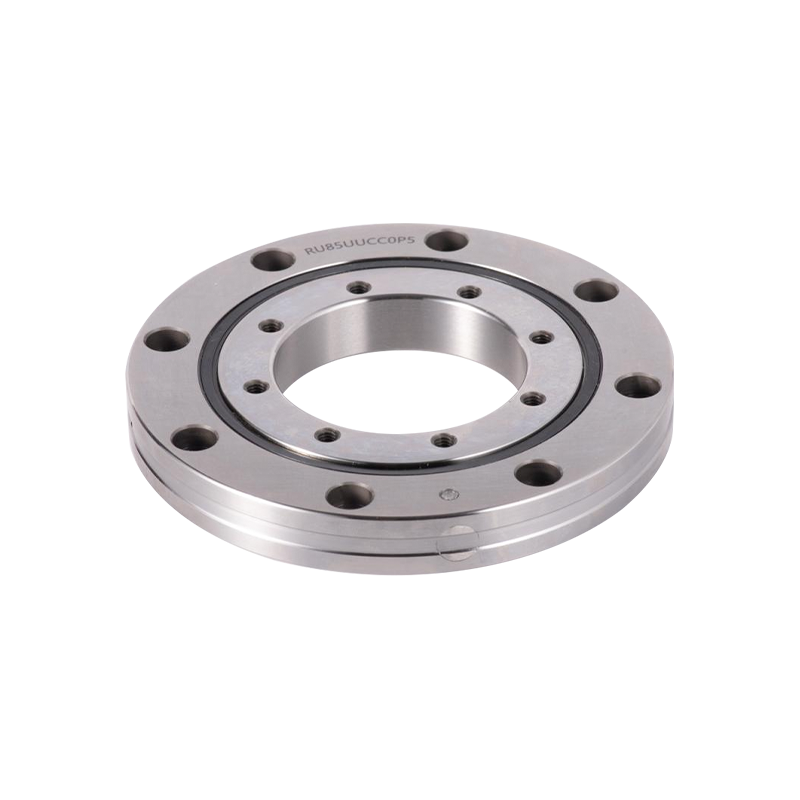
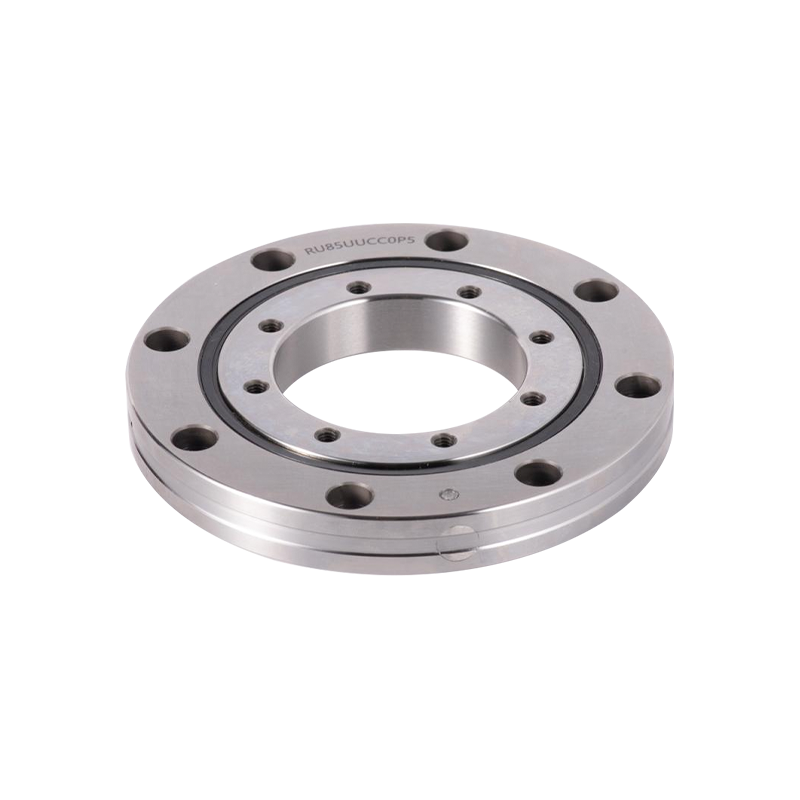
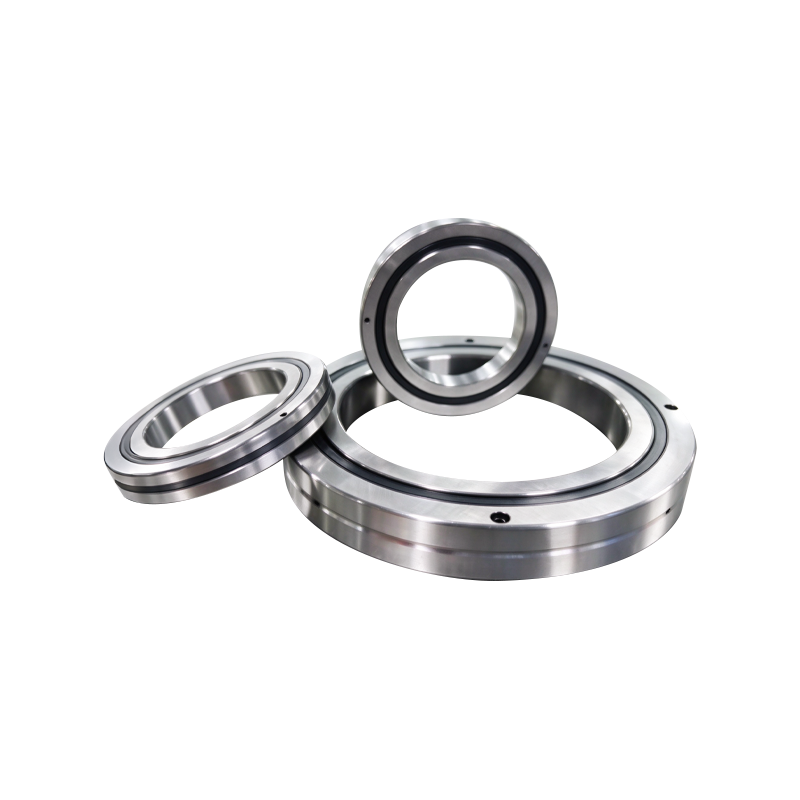


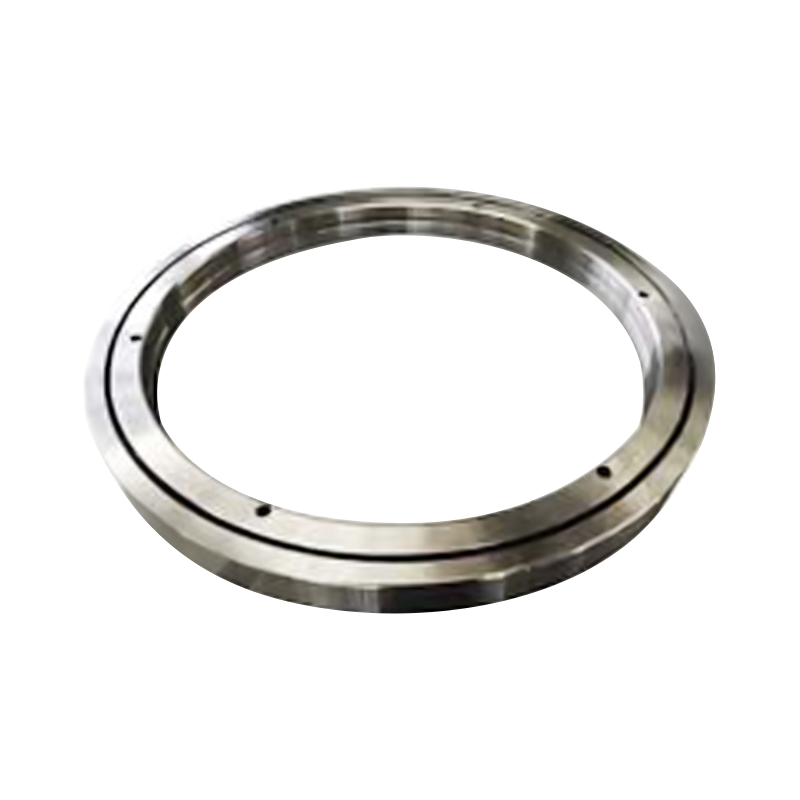
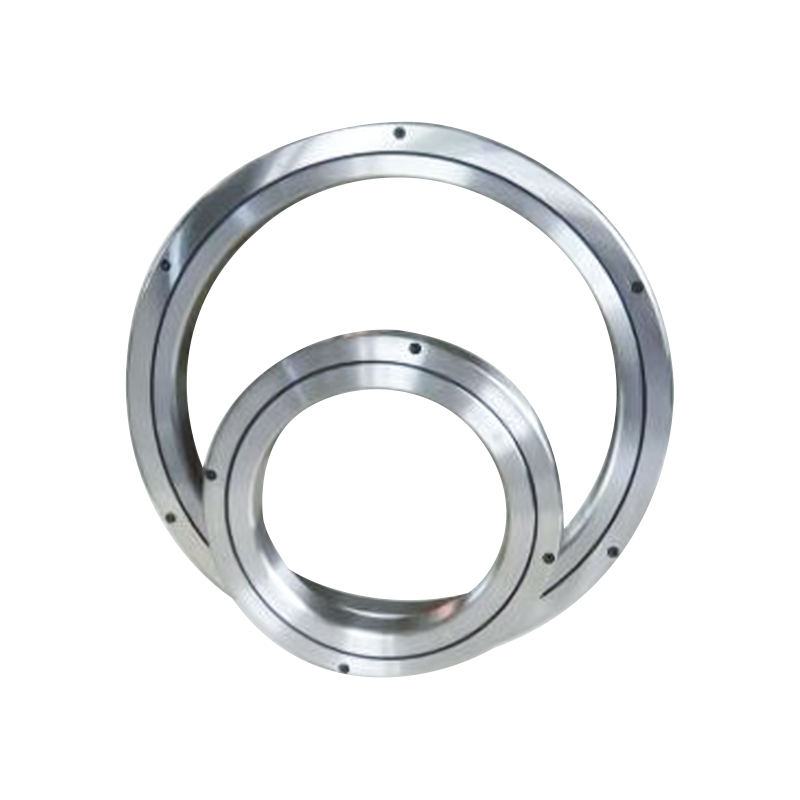
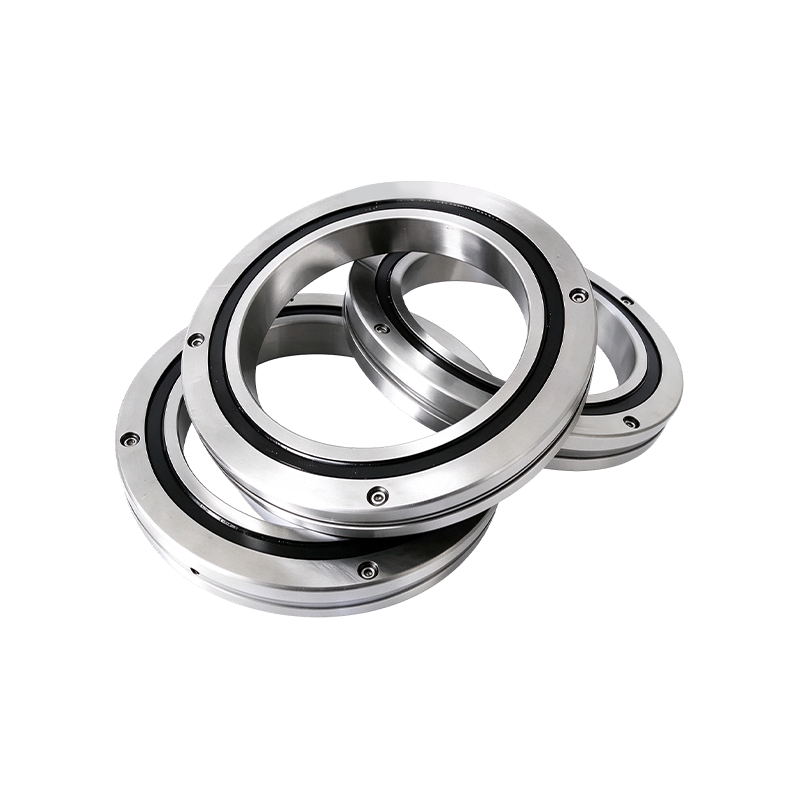
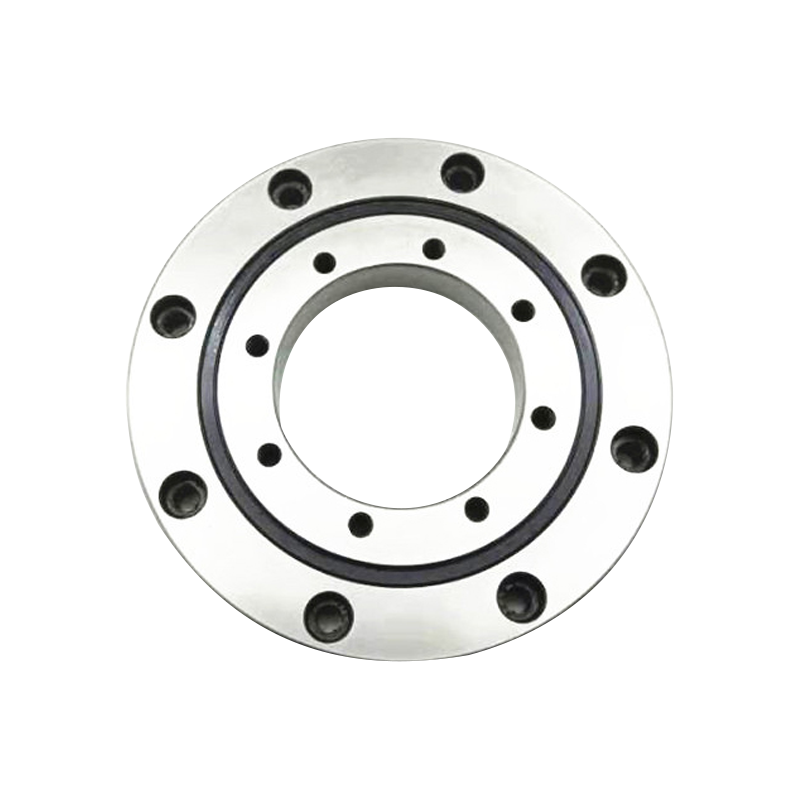
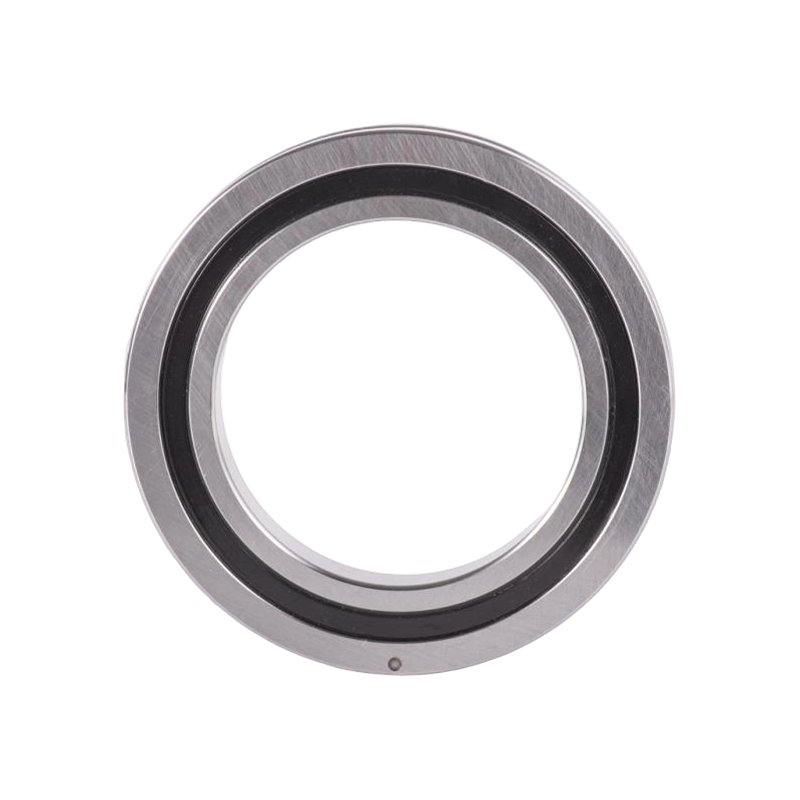



Understanding the Rigidity and Load Capacity Advantages of RB2508 Crossed Roller Bearings
The Engineering Challenge: Precision Under Constraint
Modern robotic systems face an engineering paradox: designers must achieve unprecedented precision within increasingly compact spaces while simultaneously managing complex, multi-directional loads. Industrial robots operating in manufacturing, assembly, and precision tasks require joints that maintain micron-level repeatability even under variable loading conditions. This challenge has driven innovation in bearing technology, specifically toward solutions that consolidate multiple load-bearing functions into single, space-efficient components.
The RB2508 bearing represents a breakthrough in crossed roller bearing design. With dimensions of 25 millimeters bore, 41 millimeters outer diameter, and 8 millimeters width, this compact component delivers rigidity and load capacity characteristics that exceed much larger conventional bearing solutions. Understanding the technical foundations of this performance advantage is essential for engineers designing next-generation robotic systems.
This comprehensive examination explores the engineering principles behind the RB2508's superior performance, its load-handling capabilities across multiple axes, and its practical integration into advanced robotic applications. By analyzing the crossed roller geometry and preload mechanisms, we reveal why this bearing has become the preferred solution for demanding industrial environments.
Crossed Roller Bearing Geometry: The Foundation of Superior Rigidity
Understanding the Crossed Roller Configuration
Traditional ball bearings employ spherical rolling elements arranged in circular raceways, creating point contact between each ball and its raceway surface. This geometry, while adequate for applications with predominantly single-direction loading, exhibits inherent limitations when subjected to combined radial, axial, and moment loads simultaneously. Point contact concentrates stress at small areas, limiting load capacity and contributing to bearing compliance under load.
Crossed roller bearings fundamentally reimagine this architecture. Rather than spherical elements in circular races, crossed roller bearings employ cylindrical rolling elements positioned at 90-degree angles to adjacent rollers within the same bearing ring. This perpendicular arrangement creates multiple line-contact interfaces, where each roller contacts its raceway along an extended surface rather than a point.
Line Contact Advantages: Stress Distribution and Load Capacity
The line contact geometry delivers several critical performance advantages:
- Load distribution across extended contact areas reduces peak stress concentrations, enabling higher load capacity within compact envelopes
- Multi-directional load acceptance allows single bearing to handle radial loads on two perpendicular axes, axial loads, and moment loads simultaneously
- Reduced contact stress extends bearing fatigue life, particularly important for high-cycle robotic applications
- Enhanced stiffness response minimizes deflection under load, critical for precision positioning accuracy
For the RB2508 specifically, this line contact configuration means that a 25-millimeter bore crossed roller bearing can reliably manage load magnitudes that would require significantly larger conventional bearing arrangements. A typical industrial robot wrist assembly that might require three separate bearing types (radial ball bearing, thrust ball bearing, and moment-load support bearing) can be consolidated into a single RB2508 unit.
The Preload Mechanism: Eliminating Clearance, Maximizing Stiffness
A distinguishing feature of precision-grade crossed roller bearings is the integrated preload system. Standard bearings operate with measurable clearance—a small gap between rolling elements and raceways that allows the bearing to function without binding. This clearance, typically measured in tens of micrometers, creates inherent compliance. When a robot joint experiences load, the bearing deflects slightly as rolling elements and raceways separate before reseating under the load direction.
The RB2508 preload mechanism eliminates this deflection source through spring-based compression forces. Wave springs or disc springs integrated into the bearing outer ring apply controlled compressive force, maintaining constant contact between all rolling elements and both inner and outer raceways regardless of load direction. This preload creates a fundamentally rigid structure where bearing stiffness approaches that of a solid metal ring rather than a mechanical assembly.
The preload force in RB2508 bearings typically ranges from 400 to 600 Newtons, optimized to provide maximum rigidity without inducing excessive friction or accelerated wear. This preload value represents a carefully engineered balance: insufficient preload allows unwanted clearance and reduced stiffness; excessive preload generates unnecessary friction, heat, and lubricant degradation.
Load Capacity Analysis: Understanding RB2508 Performance Across Multiple Axes
Dynamic Load Ratings and Application Context
Bearing load capacity is defined through dynamic load ratings—the load magnitude at which a bearing will complete one million revolutions before fatigue spalling initiates. The RB2508 specifications include multiple dynamic load ratings reflecting its multi-directional capability:
| Load Direction | Dynamic Rating (Newtons) | Typical Application Context |
|---|---|---|
| Radial Load | 3,500 | Perpendicular to bearing axis |
| Axial Load | 1,980 | Along bearing axis |
| Moment Load | 180 Nm | Tilting or bending moment |
Practical Load Magnitude Context
To contextualize these ratings: a 5-kilogram collaborative robot arm extending 500 millimeters from its wrist joint creates a moment load of approximately 25 Newton-meters at the joint bearing when the arm extends horizontally. The RB2508's 180 Newton-meter moment capacity provides a safety factor of 7 times this load—a substantial margin for dynamic acceleration forces, impact loading, and tool changes. This extraordinary moment capacity distinguishes crossed roller bearings from all conventional bearing types of equivalent size.
The dynamic load ratings assume operation at 100 RPM. Robot joints typically operate at 20-80 RPM during normal motion profiles, reducing bearing stress compared to the rating basis. This speed margin translates to extended bearing life in practical applications. A bearing selected for 3,500 Newton dynamic load at 100 RPM will reliably handle the same load at 40 RPM for substantially longer operational life.
Combined Load Scenarios: The RB2508 Advantage
Robot joint loading rarely consists of pure radial force, pure axial force, or pure moment. Instead, joints experience simultaneous loading across multiple axes. Consider a robot shoulder joint supporting a horizontal arm with a grasped object offset from the joint centerline:
- Radial load from arm weight and payload creating downward force perpendicular to the arm axis
- Axial load from tool changes and vertical payload positioning variations
- Moment load from the offset distance between the joint axis and the payload center of gravity
A single RB2508 bearing accommodates all three load components within its design envelope. Conventional solutions typically require multiple bearing sets arranged in complex housing configurations. The RB2508's crossed roller architecture accepts combined loads through its integral crossed element arrangement, eliminating the need for external load distribution mechanisms.
Rigidity: Measuring and Understanding RB2508 Performance
Bearing Stiffness: The Precision Engineering Parameter
Rigidity in bearing applications is quantified as stiffness—the resistance to deflection under applied load. Stiffness is mathematically expressed as load divided by deflection, measured in units of Newtons per micrometer. A bearing with higher stiffness resists deflection, maintaining position more precisely under load.
The RB2508's stiffness characteristics vary by load direction. Typical values include:
- Radial stiffness: approximately 50-70 N/micrometer (depending on preload setting)
- Axial stiffness: approximately 30-50 N/micrometer
- Moment stiffness: approximately 15-20 Nm/milliradian
These stiffness values represent a 4-8 times improvement over equivalent-sized ball bearings, and a 2-3 times improvement over larger tapered roller bearing sets. This stiffness advantage translates directly to precision: a robot joint equipped with an RB2508 bearing exhibits positional repeatability within plus or minus 0.1 millimeters, compared to plus or minus 0.4 millimeters for conventional bearing solutions in similar size classes.
Temperature Stability and Preload Consistency
Bearing stiffness is temperature-dependent. As bearing temperature increases, lubricant viscosity decreases and spring preload forces diminish, reducing overall stiffness. The RB2508's spring-based preload mechanism is engineered to minimize this degradation. Wave springs in the bearing outer ring are selected for materials with extremely low thermal expansion coefficients, maintaining preload force within plus or minus 5 percent across the bearing operating range of minus 10 to plus 80 degrees Celsius.
This thermal stability ensures that a robot joint maintains consistent precision whether operating during cool morning startup conditions or after extended high-duty-cycle operation generating elevated bearing temperatures. Conventional bearings experience greater stiffness variation across temperature ranges, resulting in positional drift during extended operating sessions—a critical limitation eliminated by the RB2508's preload design.
Manufacturing Excellence: How RB2508 Achieves Superior Performance
Precision Manufacturing: From Raw Materials to Finished Bearing
UKL Bearing Manufacturing Co., Ltd. (Wuxi), an integrated industrial and trading enterprise specializing in precision bearing solutions, demonstrates the comprehensive manufacturing process required to produce bearings meeting RB2508 specifications. As a professional bearing factory combining research, development, production, and sales, UKL's approach exemplifies the manufacturing rigor demanded by modern crossed roller bearing production.
The RB2508 manufacturing journey begins with material selection. Through-hardened bearing steel is specified for both rolling elements and raceways, ensuring consistent hardness throughout the component cross-section. This material choice prevents subsurface fatigue cracking that compromises bearings where hardness varies between surface and interior regions. Surface treatments including precision grinding achieve roughness values below 0.2 micrometers, reducing friction and extending bearing life.
Manufacturing processes for crossed roller bearings demand exceptional precision. The complete bearing manufacturing sequence includes:
- Raw material forging and annealing to establish material structure and relieve internal stresses
- Turning operations establishing initial outer and bore diameters within plus or minus 0.5 millimeter tolerances
- Heat treatment cycles bringing materials to specified hardness (typically 60-65 HRC for RB2508 components)
- Precision grinding operations achieving final dimensions within plus or minus 0.01 millimeter tolerances and surface finishes below 0.15 micrometers
- Crossed roller placement and preload spring integration requiring specialized fixturing and quality verification
- Automated assembly of bearing components with precision measurement at each stage
Quality Assurance: Verification of Performance Specifications
Bearing manufacturing facilities employing modern quality systems verify RB2508 performance through multiple inspection and testing protocols. Each bearing undergoes:
- Dimensional inspection using precision measuring equipment to verify bore, outer diameter, and width within specified tolerances
- Roundness and runout measurement ensuring bearing rings are perfectly concentric, critical for precision applications
- Preload force measurement confirming spring mechanisms provide specified compressive forces
- Noise and vibration testing under load to detect manufacturing flaws that might compromise performance
- Thermal cycling tests simulating temperature variations encountered in field applications
UKL's fully modernized production base, staffed by more than 200 skilled professionals, encompasses the entire manufacturing process under single-facility control. This vertical integration ensures consistency, traceability, and rapid response to specification requirements. Each bearing shipped carries documentation verifying conformance to dimensional, preload, and performance specifications.
RB Series vs. RU Series: Understanding the Design Differentiation
RB2508: Outer-Ring Preload Architecture
The RB2508 belongs to the RB series family, characterized by preload mechanisms integrated into the bearing outer ring. Wave springs or disc springs compressed between the outer ring and bearing housing apply compressive force that maintains contact between crossed rollers and outer-ring raceways. This architecture offers several distinct advantages for robot joint applications:
- Outer-ring preload provides excellent radial rigidity characteristics essential for supporting arm weight and payloads
- Preload spring integration into the outer ring simplifies housing design requirements compared to inner-ring preload schemes
- Predictable preload characteristics remain stable across thermal cycles due to careful spring material selection
- Accessibility for housing tolerance adjustments during integration into robot joint assemblies
RU Series: Inner-Ring Preload Architecture
The RU series employs preload mechanisms integrated into the bearing inner ring. Preload springs compressed between the inner ring and the bearing housing apply compressive force to inner-ring elements. This alternative approach provides:
- Maximum outer diameter compactness, advantageous for applications where outer-ring space is severely constrained
- Inner-ring mounting configuration enabling unique housing arrangements in specialized applications
- Alternative load distribution characteristics suited to specific moment-load-dominant applications
Selection Guidance: RB2508 for Robot Joint Applications
For standard industrial robot joints, collaborative robot assemblies, and precision positioning applications, the RB series (including RB2508) typically outperforms RU series alternatives. The outer-ring preload architecture of RB bearings delivers superior radial rigidity—the critical requirement for supporting arm structures and payloads. The RU series finds preferred application in slewing ring designs and specialized turntable configurations where different load-distribution requirements apply.
The RB2508 crossed roller bearing represents the optimal configuration for robot joints requiring radial load capacity, axial load capacity, moment load capacity, and exceptional positional repeatability within a compact 25x41x8 millimeter envelope.
Integration Design: Optimizing Robot Joint Performance with RB2508
Housing Tolerance Requirements and Precision Fit
Bearing performance is fundamentally dependent on housing design quality. The RB2508's superior rigidity and load capacity are only fully realized when integrated into housings meeting strict tolerance specifications:
| Housing Feature | Tolerance Grade | Typical Value | Performance Impact |
|---|---|---|---|
| Outer Ring Bore | H7 | 41 +0.025 mm | Tight fit prevents radial movement |
| Inner Ring Bore | P5 | 25 -0.05 mm | Maintains concentricity and runout |
| Outer Bore Runout | TIR 0.05 mm | Total Indicated Runout | Ensures bearing ring concentricity |
| Inner Bore Runout | TIR 0.03 mm | Total Indicated Runout | Prevents rolling element imbalance |
Lubrication Strategy: Sustaining Performance Across Operating Conditions
The RB2508's preload design creates relatively low friction compared to conventional bearings, but demands precise lubrication management. Robot joint applications typically employ one of two lubrication approaches:
Oil-Air Lubrication Systems: Compressed air carries precise oil droplets into the bearing at controlled intervals. This approach minimizes bearing drag, maintains consistent temperature, and extends bearing service life. Oil-air systems suit continuous-duty or high-speed applications where thermal management is critical. Installation complexity increases compared to grease lubrication, but performance advantages justify the added engineering effort for demanding applications.
Grease-Based Lubrication: Sealed bearing designs employ synthetic grease formulations providing long-term lubrication with minimal maintenance. Grease lubrication simplifies installation and is appropriate for sealed robot joint applications operating at moderate speeds (under 300 RPM). Trade-offs include slightly higher friction and corresponding heat generation compared to oil systems.
Thermal Management and Temperature Control
Preloaded bearings generate more heat than clearance-based designs, particularly at higher speeds. Effective robot joint design incorporates thermal management strategies:
- Aluminum housing materials with high thermal conductivity dissipate bearing-generated heat away from the joint assembly
- Circulation channels direct cooling oil through the bearing zone in high-performance applications
- Temperature monitoring via integrated sensors alerts control systems to abnormal thermal conditions before performance degradation
- Operating speed adjustment protocols reduce speed if bearing temperature exceeds designed thresholds
The RB2508 maintains full performance specifications up to plus 80 degrees Celsius, with controlled performance degradation between 80 and 100 degrees Celsius. Most robot applications maintain bearing temperatures in the 40-65 degree Celsius range through proper thermal design.
Comparative Analysis: RB2508 vs. Alternative Bearing Solutions
To illustrate the RB2508's technical advantages, comparing its performance across key parameters against conventional bearing alternatives reveals the engineering case for crossed roller selection:
| Performance Parameter | RB2508 | Double-Row Ball | Tapered Roller Set |
|---|---|---|---|
| Radial Stiffness | 60 N/micron | 12 N/micron | 25 N/micron |
| Axial Stiffness | 40 N/micron | 5 N/micron | 8 N/micron |
| Moment Capacity | 180 Nm | 20 Nm | 60 Nm |
| Component Count | 1 | 2-3 | 3-6 |
| Outer Diameter | 41 mm | 47 mm | 62 mm |
| Positional Repeatability | 0.1 mm | 0.5 mm | 0.3 mm |
| Installation Complexity | Low | Moderate | High |
This comparison demonstrates a fundamental principle: the RB2508 consolidates the performance of multiple conventional bearing solutions into a single, simpler component. A robot joint application requiring radial support, axial accommodation, and moment-load resistance would traditionally employ three or more bearing types. The RB2508 single-unit solution reduces assembly complexity, cost, and potential failure points while delivering superior performance across all load directions.
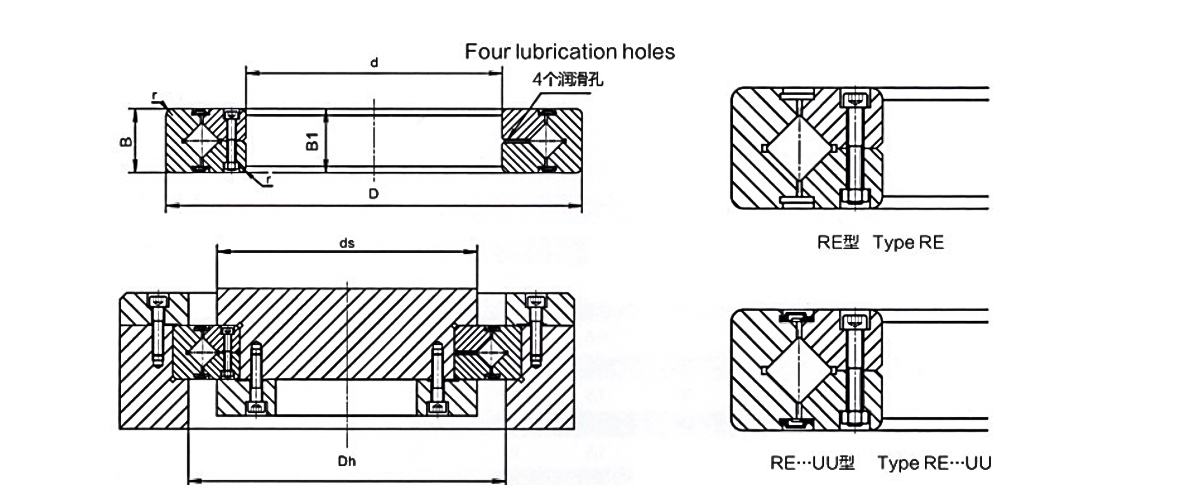
Technical Architecture: RB2508 Design Visualization
Practical Applications: Where RB2508 Excels
Collaborative Robot Joint Design
Collaborative robots operating alongside human workers require exceptional precision and reliability. The RB2508's compact profile and high moment capacity enable safe, precise joint design. A typical collaborative robot shoulder assembly integrates an RB2508 bearing to support the upper arm structure while accommodating tool changes and dynamic load swings. The bearing's low-backlash design ensures repeatability for gripper positioning tasks, while its preload mechanism guarantees stable operation across thermal variations during extended work shifts.
Industrial Robot Wrist Assembly Integration
Modern robot wrists employ multiple rotation axes (roll, pitch, yaw) in ultra-compact assemblies. Each wrist axis benefits from crossed roller bearing support. The RB2508 scale is ideal for roll and pitch axes in many industrial robot configurations. The bearing's ability to accept moment loads without additional support components enables wrist housing designs that maintain tool-center-point accuracy within 0.1 millimeters—essential for precision welding, assembly, and machining applications.
Surgical and Medical Robotics
Surgical robotic systems demand exceptional precision and reliability. Joint bearings must maintain positional accuracy within 0.05 millimeters while enduring continuous sterilization cycles and high-acceleration motion profiles. The RB2508's rigidity and thermal stability prove ideal for these demanding requirements. The bearing's low backlash eliminates tissue trauma from joint deflection, while its consistent performance across thermal cycles ensures reliability through repeated sterilization procedures.
Packaging and Material Handling Automation
High-speed pick-and-place robots operating at 100+ cycles per minute subject joint bearings to severe dynamic stress. The RB2508's preload mechanism and line-contact geometry distribute impact loads more effectively than ball bearings, extending bearing life. The bearing's moment capacity handles offset payloads characteristic of vacuum gripper installations, while its rigidity ensures consistent placement accuracy across the production shift.
Maintenance and Service Life: Optimizing RB2508 Reliability
Installation Best Practices
Proper installation directly impacts bearing performance and service life. Critical installation protocols include:
- Verify housing bore diameter and surface finish meet specified tolerances before bearing installation
- Use precision bearing pullers designed for crossed roller bearings to avoid internal-ring damage during removal or installation
- Apply light machine oil to bearing bore surface to ease assembly and prevent galling
- Install bearing components in sequence, maintaining alignment throughout assembly process
- Verify preload force after installation to confirm proper compressive load from spring mechanisms
Run-In Period and Thermal Stabilization
New robot installations benefit from controlled run-in procedures. During the initial 8-10 operating hours, running robots at 50 percent rated load allows bearing components to properly seat and thermal gradients to stabilize. Temperature rise during this period typically occurs within the first 3-4 hours. Gradual load and speed increases over the first 40 operating hours extend bearing service life and ensure optimal performance.
Condition Monitoring Strategies
Modern robot platforms increasingly incorporate bearing condition monitoring systems using temperature and vibration sensors. These enable predictive maintenance that extends service life and prevents unexpected failures:
- Bearing temperature monitoring detects lubrication degradation or preload loss early
- Vibration frequency analysis identifies rolling element wear before catastrophic failure
- Positional repeatability trending reveals bearing compliance increase over time
- Oil or grease analysis monitors oxidation and contamination levels
Service Life Expectations
Well-maintained RB2508 bearings typically provide 10,000-15,000 operating hours of service before requiring replacement. This represents a substantial service-life advantage over conventional bearing solutions when accounting for the bearing's superior load-carrying capability. In light-duty applications, service life may extend to 20,000+ hours. Preventive bearing replacement before catastrophic failure prevents secondary damage to housing surfaces, reducing total repair costs and system downtime.
Frequently Asked Questions
Q1: What makes crossed roller bearings superior to ball bearings for robot joint applications?
Crossed roller bearings employ line contact between rolling elements and raceways, compared to point contact in ball bearings. This geometry distributes loads across larger surface areas, enabling higher rigidity and load capacity within equivalent size envelopes. Additionally, crossed roller bearings simultaneously accept radial, axial, and moment loads, eliminating the need for multiple bearing types in single joint assemblies.
Q2: How does preload improve bearing performance in precision robot applications?
Preload eliminates internal clearance by maintaining constant contact between rolling elements and raceways. This design removes backlash and dramatically increases bearing stiffness, enabling the precision repeatability demanded by modern robots. Preload also stabilizes bearing operation across temperature variations by using spring mechanisms that maintain consistent compressive force despite thermal expansion and contraction.
Q3: What is the typical service life of an RB2508 bearing in continuous robot operation?
Well-maintained RB2508 bearings typically deliver 10,000-15,000 operating hours before requiring replacement. Service life varies based on actual load conditions, operating speed, temperature management, and lubrication maintenance rigor. Light-duty applications may achieve 20,000+ hours, while extreme-duty applications might require replacement after 8,000 hours.
Q4: Can RB2508 bearings be retrofitted into existing robot designs using conventional bearings?
In many cases, yes. The RB2508's compact 25x41x8 millimeter profile often enables direct substitution if housing tolerances can be adjusted to H7 specifications for the outer ring bore. However, the dramatically increased bearing rigidity may require servo controller tuning to prevent control instability. Compatibility assessment involving detailed dimensional analysis and dynamic simulation is recommended before implementation.
Q5: What lubrication approach is best for RB2508 bearings in high-duty robot applications?
Oil-air lubrication systems are preferred for continuous-duty applications, delivering precise oil droplets at controlled intervals. This approach minimizes drag, maintains optimal bearing temperature, and extends service life compared to grease lubrication. Grease-based systems suit sealed applications with moderate duty cycles and lower speed requirements, trading some performance for simplified maintenance.
Q6: How does the RB2508's moment load capacity compare to conventional bearing solutions?
The RB2508 provides approximately 180 Newton-meters moment capacity, substantially exceeding equivalent-sized conventional bearing solutions. Tapered roller bearing sets of similar outer diameter typically provide 60 Newton-meters, while ball bearing configurations provide only 15-20 Newton-meters. This moment-load advantage is critical for handling off-axis payloads in robot gripper and tool-mounting applications.
Q7: What housing tolerance specifications are critical for optimal RB2508 performance?
The outer ring housing bore requires H7 tolerance to ensure tight fit preventing radial movement. The inner ring bore demands P5 or better tolerance class to maintain concentricity. Surface runout should not exceed 0.05 millimeters on outer surfaces and 0.03 millimeters on inner surfaces. These precision requirements ensure that bearing rigidity advantages are fully realized in the assembled joint.
Q8: Are RB2508 bearing variants available for different load requirements?
Yes, manufacturers offer crossed roller bearing series ranging from smaller lightweight variants for light-duty applications to larger high-capacity units for heavy industrial use. The RB2508 is optimized for robot applications requiring balanced radial, axial, and moment-load capacity in compact space. Smaller variants (RB2006) suit light collaborative robots, while larger variants accommodate heavier industrial arms.
Q9: How does temperature affect RB2508 bearing performance and service life?
Standard RB2508 bearings maintain full performance specifications from minus 10 to plus 80 degrees Celsius. Above 80 degrees, lubricant viscosity decreases and preload spring force diminishes, reducing stiffness and increasing wear rates. Effective thermal management through housing design and cooling systems maintains bearing temperature in the optimal 40-65 degree Celsius range, maximizing service life and performance consistency.
Q10: How does RB2508 performance compare between light-duty and extreme-duty robot applications?
The RB2508 excels in both application categories. In light-duty collaborative robot arms, the bearing's low friction and exceptional repeatability enable precise gripper control. In extreme-duty high-speed pick-and-place systems, the bearing's preload and line-contact geometry absorb dynamic impact loads effectively, extending service life compared to conventional bearings. The single bearing solution's versatility across duty-cycle ranges makes it an ideal standardized component for diverse robot platforms.


